







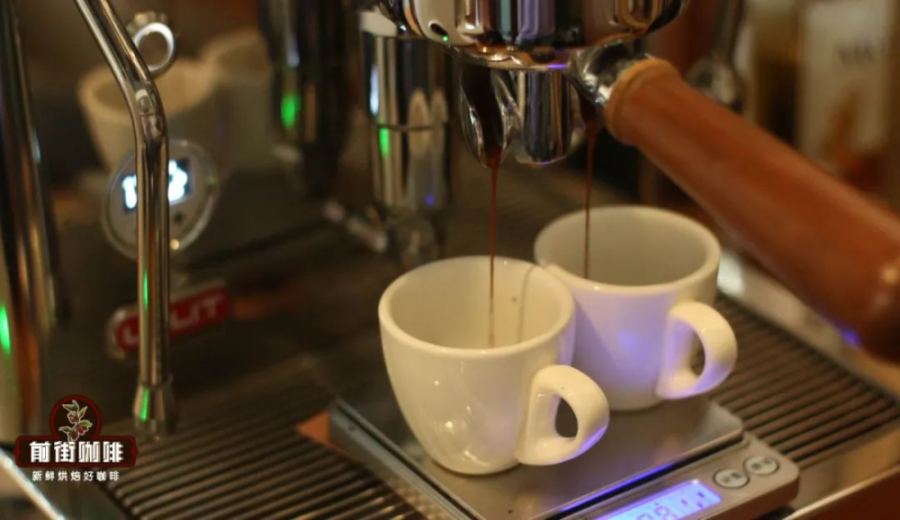
Introduction:When extracting espresso, should the portafilter be preheated? Should it be kept at room temperature or maintained at a consistently high temperature? This question puzzles many baristas. This article compares the extraction results under three conditions—room temperature, preheated, and prolonged high temperature—through practical testing. It analyzes the impact of different temperatures on flavor from aspects such as aroma complexity, sweetness-acidity balance, and aftertaste performance, helping you find the most suitable approach for daily operation.
When extracting espresso, a frequently discussed yet seldom conclusively answered question is: should the portafilter be kept at room temperature or preheated on the group head? Some baristas believe that high temperatures can overheat the basket, causing the coffee grounds’ aroma to dissipate quickly; others argue that maintaining a stable portafilter temperature helps ensure flavor consistency. To explore these differences, we used a “Sunflower Warm Sun Blend” coffee bean as the sample and conducted extractions with a room-temperature portafilter, a preheated portafilter, and a portafilter kept at high temperature for an extended period. We strictly controlled the extraction parameters for each group to be consistent and conducted an in-depth analysis of the actual effects of different temperatures on pour over flavors.
This test used standard espresso parameters: 19.7 grams of coffee grounds, 38 grams of extracted liquid, 27 seconds of extraction time, a water temperature set at 94°C, and pressure maintained at 10 bar. The only variable across the three experiments was the temperature condition of the portafilter—namely, a room-temperature portafilter placed in an ambient environment, a preheated portafilter briefly warmed before extraction, and a high-temperature portafilter kept on the group head for over 15 minutes.
First, let’s look at the room-temperature portafilter. On the day of testing, the indoor temperature was approximately 25°C, and the measured temperatures of components such as the basket and the shower screen were all around 24.7°C, close to typical indoor conditions. Using this portafilter for extraction, the resulting espresso:featured fermentation wine-like aromas as the main theme,with a noticeable fruity acidity upon tasting, accompanied by a soft sweetness reminiscent of vanilla ice cream and a smooth texture. The aftertaste carried a warm caramel-like note. Overall, the flavor was rich but with a more pronounced acidity. For those who prefer a bright, tangy taste, this profile might be just right.
Next is the preheated portafilter. The method involved attaching the portafilter to the group head before extraction, turning on the hot water for about 5 seconds of preheating, then removing and wiping it dry before dosing the coffee grounds. At this point, the basket temperature measured 34.1°C, while the basket frame and shower screen reached 31.2°C and 32.3°C respectively. This temperature setting resulted in an espresso that:had a more three-dimensional and full-bodied aroma,with the wine-like notes still prominent, along with a subtle fusion of fruity berry acidity and chocolate ganache. The mouthfeel was as smooth as vanilla cream, and the aftertaste offered memorable hazelnut and caramel flavors. The overall performance was well-balanced, with distinct layers of acidity, sweetness, bitterness, and umami—making it an approachable flavor profile for most coffee enthusiasts.
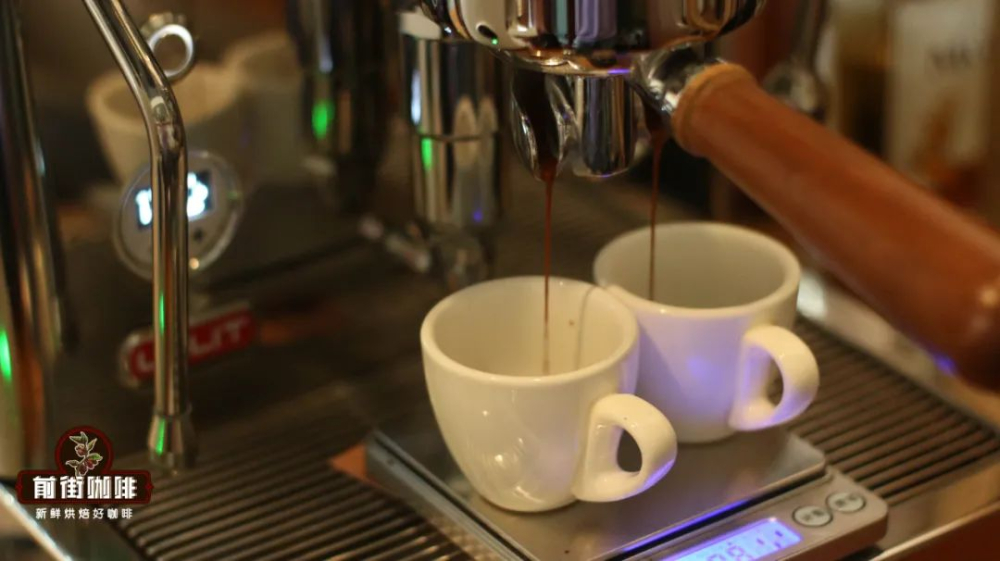
Finally, observe the performance of the high-temperature portafilter. In this experiment, the portafilter was kept on the group head for over 15 minutes, raising the basket temperature to 52°C, with the basket frame and shower screen reaching 58°C and 55.5°C respectively. Under such high temperatures, the extracted coffee:featured intense black chocolate as the dominant aroma,with a strong presence of nuts and dark chocolate upon tasting, but quickly followed by smokiness and a noticeable burnt bitterness. The aroma lacked complexity and harmony, resulting in a relatively poor drinking experience. This condition is clearly unsuitable for routine extraction where flavor balance is desired.
In terms of overall flavor performance,the espresso extracted with the preheated portafilter was the most balanced,with key flavor elements clearly distinguishable and the layers of acidity, sweetness, bitterness, and umami unfolding in an orderly manner. The overall harmony was excellent. While the room-temperature portafilter had a more pronounced acidity, it still held value in scenarios where a bright fruit acid is preferred. As for the high-temperature portafilter, the excessive heat accelerated the volatilization of light and medium molecular weight aromatic compounds, leaving heavy bitter and off-notes dominant—an approach not recommended for daily use.
If considering subsequent applications, such as making Americanos or milk-based drinks, the preheated portafilter, by preserving more complete aromatic molecules, can still deliver a richer flavor profile even after dilution with milk or water—typically outperforming both room-temperature and high-temperature conditions. Therefore, if you want every shot of espresso to retain optimal aroma and flavor potential, moderate preheating is a recommended practice.
It’s worth noting that keeping the portafilter in prolonged contact with a high-temperature group head not only makes it difficult to achieve uniform overall temperature but may also accelerate the aging of the internal gasket, leading to sealing issues, leaks, and other problems. If you find the portafilter difficult to properly seat in the group head or notice leakage during extraction, the gasket may already be damaged and should be inspected and replaced promptly. Additionally, a persistently high-temperature environment can also cause volatile aromatic compounds in the coffee grounds to dissipate rapidly, which is counterproductive to final extraction quality.
In conclusion, to achieve an espresso with balanced flavor and clear layers, moderately preheating the portafilter for about 5 seconds is the ideal compromise. While the room-temperature state may have a slightly more pronounced acidity, it has its unique charm in certain contexts; the high-temperature state, on the other hand, leads to flavor imbalance due to overheating and is not recommended as a daily extraction option.
The above content is compiled by CoffeeHunters, a coffee news website.


