







Introduction:A Malaysian international student, unable to understand the staff’s English, nodded along when ordering a Frappuccino — only to be silently given six extra toppings that sent the price from 21.5 Malaysian Ringgit soaring to 44 Ringgit. This article dives deep into the common add-ons at Starbucks, hidden fees, and how you can use simple English or just say “That’s all, thank you” to avoid falling into the add-on trap — so your ordering experience is no longer awkward or overpriced.
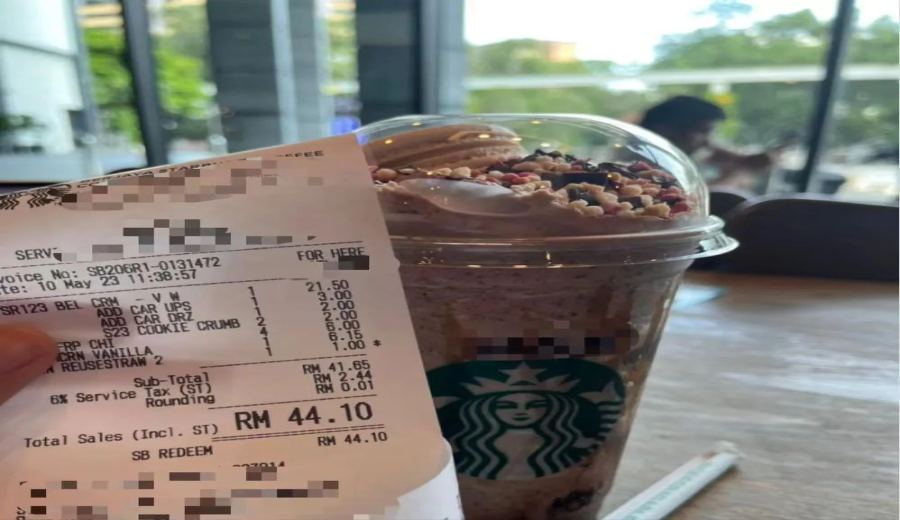
A university student studying in Malaysia recently ordered a Belgian Chocolate Frappuccino at Starbucks. Unable to comprehend the staff’s English questions about add-ons, the student responded with nods the entire time. Unknowingly, six ingredients — including caramel syrup, cookie crumbles, chocolate chips, and vanilla whipped cream — were added, causing the drink that originally cost 21.5 Ringgit (approximately 33 RMB) to balloon to 44.1 Ringgit (about 68 RMB) at checkout, nearly doubling in price.
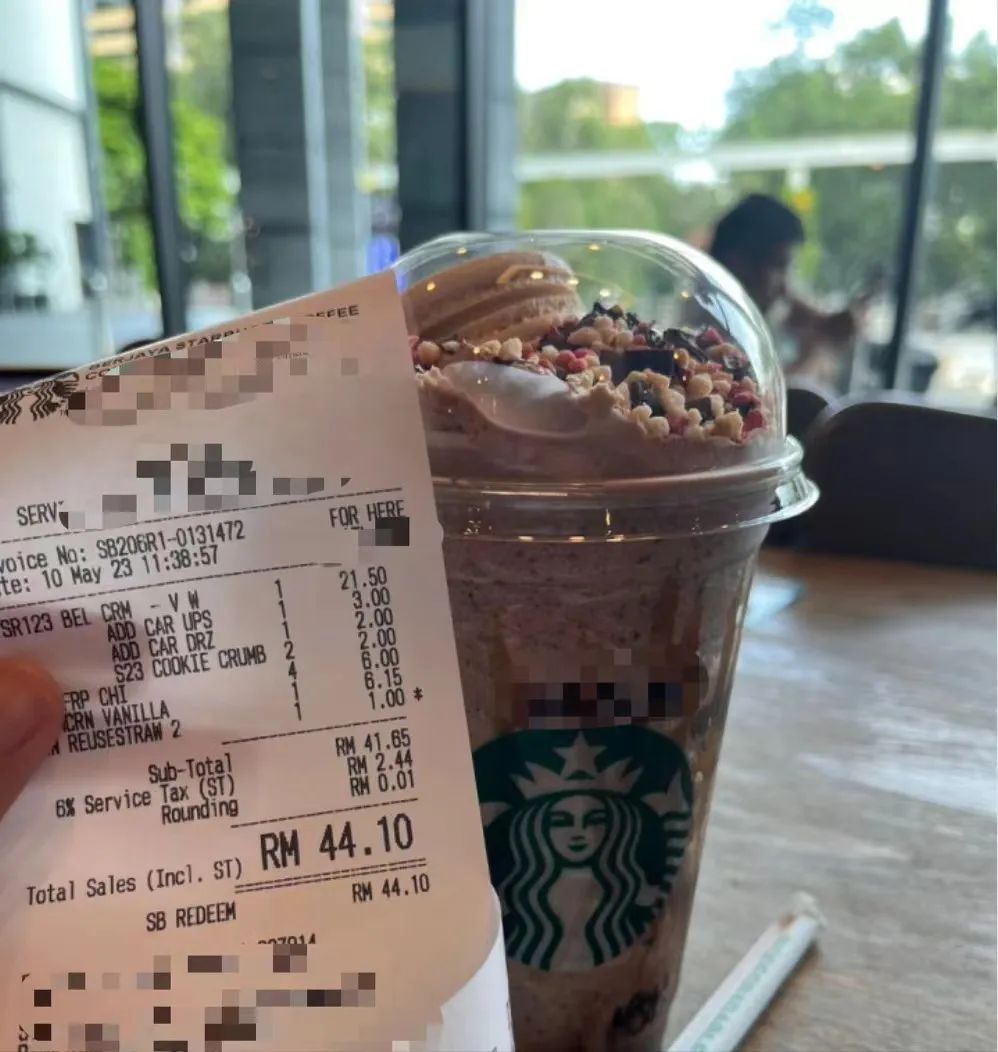
According to the receipt shared by the student, the venti-sized Belgian Chocolate Frappuccino itself was priced at 21.5 Ringgit, but the bill included a long list of additional charges. These were all items quietly added because the student kept nodding in response to the staff’s English questions about “add-ons.” In addition to the aforementioned toppings, it also included extra flavor syrups and toppings, making the drink not only overly sweet but also significantly more expensive. With a 6% service charge added on, the total amount quickly shot past 44 Ringgit.
The most frustrating part? When the student received the drink and noticed the unusually high price, they realized they had been “tricked” — as hinted by the smirks from nearby staff and colleagues. The employees knew the student didn’t understand English but still kept asking questions and observing reactions to upsell various extras, adding them one by one after each nod. It became an invisible “add-on trap.”
Although the student felt extremely frustrated afterward, since all the add-ons were consented to with nods, it was difficult to file a complaint or request a refund based on normal consumer logic. So they chose to share their experience on social media, hoping to alert other consumers to similar situations.
Once this post went up, it immediately sparked heated discussion among Malaysian netizens. Many shared similar experiences, especially when visiting Starbucks for the first time or ordering more complex drinks (like Frappuccinos or specialty coffees), where they mistakenly agreed to unnecessary add-ons due to not understanding the staff’s questions. Some local users also pointed out that English is a basic communication language in Malaysia, and if you truly can’t understand it, it’s better to opt for simpler drinks like Americano or Latte to reduce the chances of being upsold add-ons.
Other netizens offered different perspectives, arguing that the core issue isn’t about “understanding or not,” but that many staff members do not proactively inform customers that these add-ons come with “extra charges.” For those familiar with the Starbucks menu or regular customers, they would naturally refuse, but for first-timers or those who don’t often order specialty drinks, it’s easy to unknowingly receive “default add-ons” and become the “lamb to the slaughter” of the food and beverage industry.
In response to this incident, many netizens provided practical advice. For example: if you’re not familiar with the English ordering process, it’s best to choose basic drinks like Americano or Latte to avoid complicated ones like Frappuccinos that require frequent add-ons. Additionally, when the staff asks if you’d like to “add something,” and you don’t understand English, you can simply respond with “That’s it, thank you” (That’s all, thank you) or in Chinese “这样就好,谢谢,” which helps avoid awkwardness while clearly communicating that no further add-ons are needed. If you really don’t understand, you can also honestly say “I don’t understand” or “Please speak Chinese” to prompt the staff to adjust their communication method.
The Frappuccino ordered by the customer in the photo was originally just meant to be a simple cold chocolate drink, but due to a series of “nodding agreements,” the final price ended up more than double. This case serves as a reminder to all consumers, especially when ordering drinks overseas or in environments where there’s a language barrier, to pay close attention to what the staff is asking and, when necessary, bravely express your needs to avoid falling into an “add-on trap” out of momentary embarrassment.
In summary, if you want to order safely at Starbucks without being overcharged, remember these key points: choose simple drinks, confidently say “That’s all, thank you,” and clearly state when you don’t understand. That way, you can enjoy your coffee while also protecting your wallet.
The above content is compiled by CoffeeHunters, a coffee news website.


