







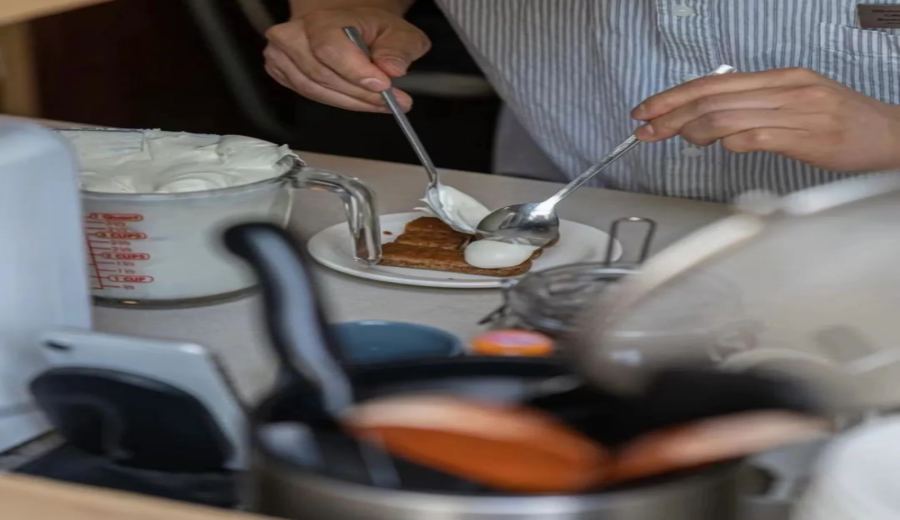
Introduction:In recent years, many domestic coffee shops have introduced traditional Chinese snacks to their menus — from Chinese crepes to cheung fun — pairing them with coffee and creating a new consumer trend. This movement not only breaks away from conventional pairings with Western pastries but also integrates coffee into more everyday life scenarios. This article explores the reasons behind this phenomenon, showcases unique regional pairings, and discusses whether it could become a mainstream trend in the future.
The combination of coffee and Western pastries used to be a classic pairing. But today, many domestic coffee shops are experimenting with Chinese snacks such as Chinese crepes, scallion pancakes, and cheung fun, offering customers a refreshing taste experience. This innovation has not only attracted younger consumers but also made coffee drinking more integrated into daily life.
In the past, coffee shops in Asia were heavily influenced by Western traditions, typically serving cakes or Western-style baked goods as standard accompaniments. This pairing originated from the Western dietary culture associated with coffee, and early coffee profiles were often bolder. The aroma and richness of Western pastries could moderate the bitterness of coffee and highlight its more delicate nuances.
However, as coffee beverages have become more widespread and consumers’ acceptance and understanding of coffee have deepened, more people are seeking a more localized dining experience. Chinese snacks, with their diverse flavors, affordable prices, and close ties to everyday eating habits, have become a new direction for coffee shop transformation.
Taking regional examples, a coffee shop in Shanghai was among the first to launch a combo of Chinese crepes with coffee, quickly sparking a wave of imitations. In the Ningbo area, it’s common to see coffee paired with rice balls, youtiao (fried dough sticks), and scallion pancakes. In Guangdong regions such as Shantou’s Chaoshan cheung fun and Guangzhou’s steamed dim sum, these items have also found their way onto coffee shop menus. Additionally, Kunming offers “coffee + preserved vegetable braised pork patty,” while Jingdezhen features “youtiao wrapped with sweet glutinous rice paste + coffee” as creative combinations.
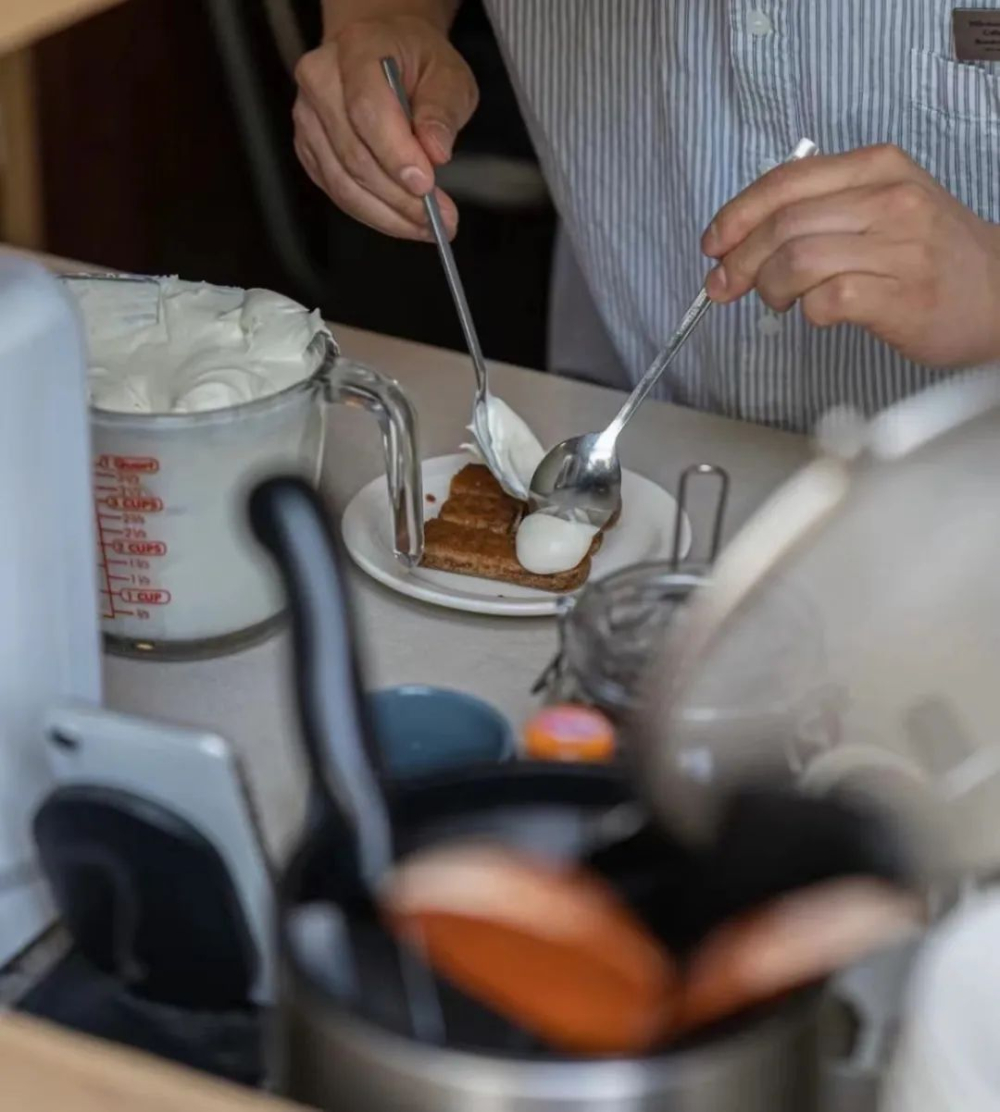
Notably, such pairings are not limited to traditional buns or pastries. Many shops now also offer soup noodles, pot noodles, or even small bowls of snacks like beef offal with radish, all enjoyed alongside coffee, showcasing richer possibilities of local cuisine.
The popularity of such cross-boundary pairings stems not only from consumers’ desire for novelty but also reflects a broader trend of food culture integration. Many young people are eager to try the seemingly unlikely but surprisingly delightful combination of “coffee + Chinese snacks,” forming a new consumer habit.
Whether this trend will become a lasting norm remains to be seen. Although some shops price their combo sets slightly higher than à la carte items, they still appeal to consumers seeking convenience and fresh experiences. Moreover, as coffee gradually becomes a regular part of life rather than just a beverage for “special occasions,” pairing it with various local dishes will feel increasingly natural.
In the future, we may see even more creative combinations that reflect local characteristics — for example, incorporating Taiwanese gua bao, lu rou fan (braised pork rice), or even Hong Kong-style milk tea-flavored blends — further enriching the diverse presentation of coffee and snacks.
In summary, the pairing of coffee with Chinese snacks is not just a marketing tactic but represents a new stage in the integration of food cultures. For consumers, it’s not only a new adventure for the taste buds but also an opportunity to explore more possibilities in their everyday coffee lives.
The above content is compiled by CoffeeHunters, a coffee news website.


