







Introduction:When brewing espresso, in addition to grind size, brew ratio, and tamp pressure, the temperature of the portafilter is also an important variable that affects flavor expression. This experiment controls variables and adjusts only the portafilter temperature to explore the differences in extraction time, concentration, flavor, and milk coffee performance when using preheated, room-temperature, and chilled portafilters, helping baristas and coffee enthusiasts master more precise brewing strategies.
Among the many variables that affect espresso extraction, portafilter temperature is often overlooked. However, it directly influences the heating state of the coffee puck, thereby altering the flow rate of the coffee, extraction uniformity, and final flavor profile. To better understand this factor, we designed an experiment where only the portafilter temperature was altered, while keeping coffee dose and extracted liquid weight constant, observing how different temperatures affect espresso extraction time, concentration, flavor profile, and overall performance when combined with hot milk.
The experiment originated from a question posed by a coffee enthusiast: “When the group head temperature is lower, do I need to tamp harder than usual?” In reality, he was more concerned about whether differences in portafilter temperature would alter espresso extraction results, and whether tamp pressure needed to be adjusted accordingly. To clarify these questions, we specifically controlled variables and manipulated only the portafilter temperature conditions — high temperature (preheated), room temperature, and low temperature (chilled) — extracting with the same coffee dose and target yield, recording each cup’s extraction time, espresso concentration, flavor characteristics, and overall performance when paired with hot milk.
The coffee beans used in this experiment were the shop’s house blend “Sunflower Warm Sun,” which under ideal extraction conditions exhibits notes of vanilla, hazelnut, caramel, slight fermentation, and berry acidity, and when made into a milk coffee showcases layers of vanilla, cream, and liqueur chocolate aromas. The grinder used was Galileo, set to a grind size of 2.0 to ensure grind consistency. The portafilter temperature in the experiment was divided into three conditions: high temperature (continuously heated until noticeably hot to the touch), room temperature (left at ambient temperature without special treatment), and low temperature (placed in the refrigerator for one hour in advance to cool down). This design helps observe the actual changes in extraction results under different temperature conditions.
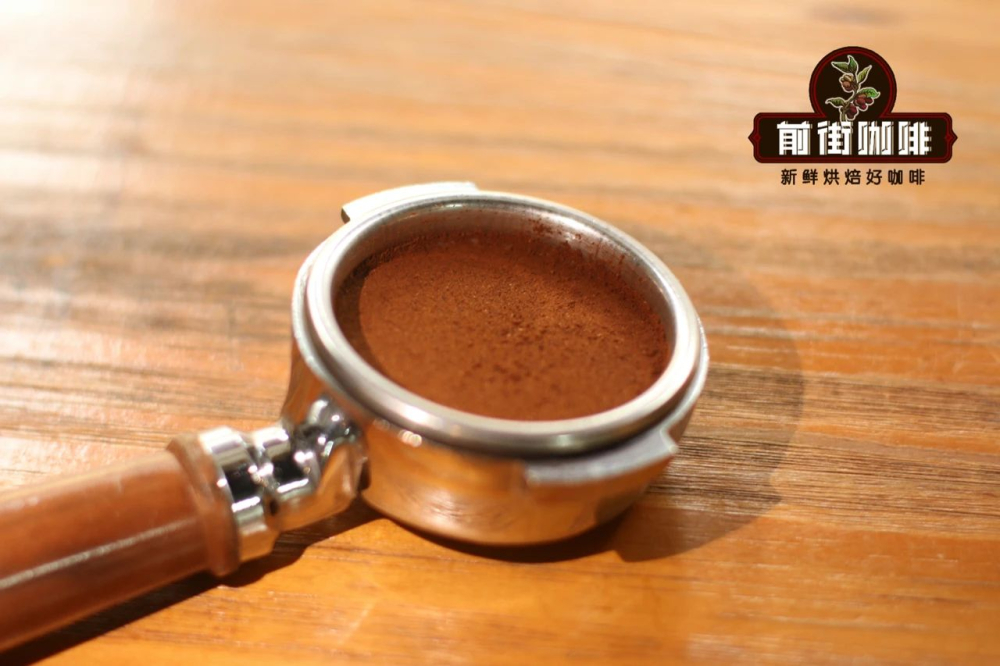
The experimental results showed that when using a low-temperature (chilled) portafilter, the extraction time was approximately 30 seconds, and the measured espresso concentration was 10.52%. In terms of flavor, this shot exhibited pronounced notes of vanilla, berries, and cream, with brighter acidity, but overall body was relatively low; when combined with an equal amount of hot milk, it mainly showcased berry and chocolate flavors, with a higher proportion of milk taste, but the mouthfeel felt somewhat thin. In contrast, when using a high-temperature (preheated) portafilter, the extraction flowed more smoothly, with more significant release of body-rich compounds, resulting in a fuller and more solid mouthfeel, richer wine-like and fruity notes, and a milk coffee performance with body that more closely matched the expected flavor profile of the blend.
Notably, although changes in portafilter temperature had only a minor impact on extraction yield and espresso concentration, they significantly influenced the direction of flavor and the ratio of extracted compounds released. Preheating the portafilter helped enhance the expression of body and sweetness, while a chilled portafilter highlighted bright fruit acidity and a lighter texture. Therefore, depending on the desired outcome of the final beverage — whether it’s a rich and bold milk coffee or a bright and pronounced black coffee — the portafilter preheating strategy should also be adjusted accordingly.
The experiment also found that although tamp pressure was kept as consistent as possible across the three trials, the flow rate during extraction and the puck’s compaction response still varied slightly due to different portafilter temperatures. However, tamp pressure itself does not need to be specifically increased or decreased based on portafilter temperature; the focus should remain on ensuring the puck is evenly compressed to avoid channeling or uneven extraction. A common misconception is that “a cold portafilter requires tamping harder,” but in reality, tamp force should be adjusted based on coffee dose and distribution, not solely determined by temperature.
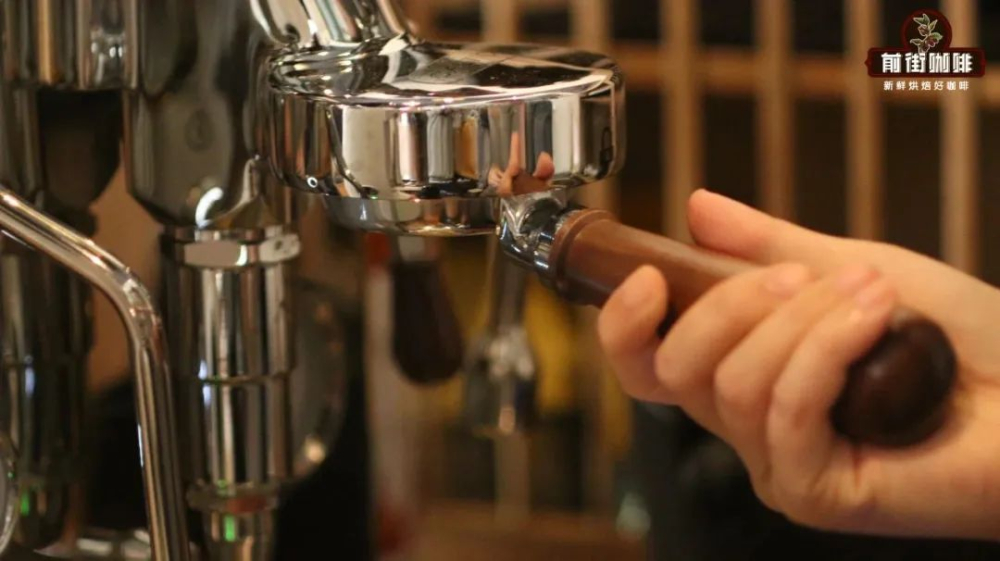
In summary, portafilter temperature does indeed affect espresso extraction performance, particularly in terms of flavor profile and the ratio of extracted compounds released. However, this influence does not equate to significant fluctuations in extraction yield, but rather subtly reflects in flavor structure and mouthfeel balance. For baristas, deciding whether to preheat the portafilter based on the roast level of the beans used (more acidic or more bitter) and the type of beverage being served (espresso, Americano, or milk coffee) will help achieve more precise control over the final flavor presentation. The ultimate goal is nothing more than to let every cup of coffee showcase its most captivating flavor characteristics.
The above content is compiled by CoffeeHunters, a coffee news website.


