







Introduction:Have you ever experienced a refreshing and sweet aftertaste reminiscent of tea while sipping coffee? Descriptors such as "green tea," "black tea," or "oolong tea" frequently appear in the flavor profiles of many coffee beans, but how exactly do we discern these tea-like sensations? This article delves into the scientific principles behind tea-like notes, distinguishes between positive and negative astringency, explores how organic acids contribute to salivation and sweetness, and combines practical tasting insights to help you more accurately identify tea-like characteristics in coffee.
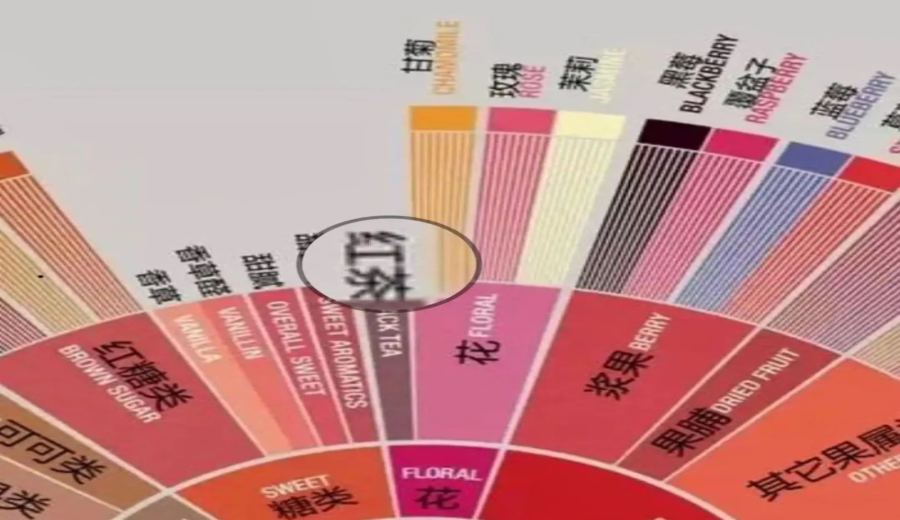
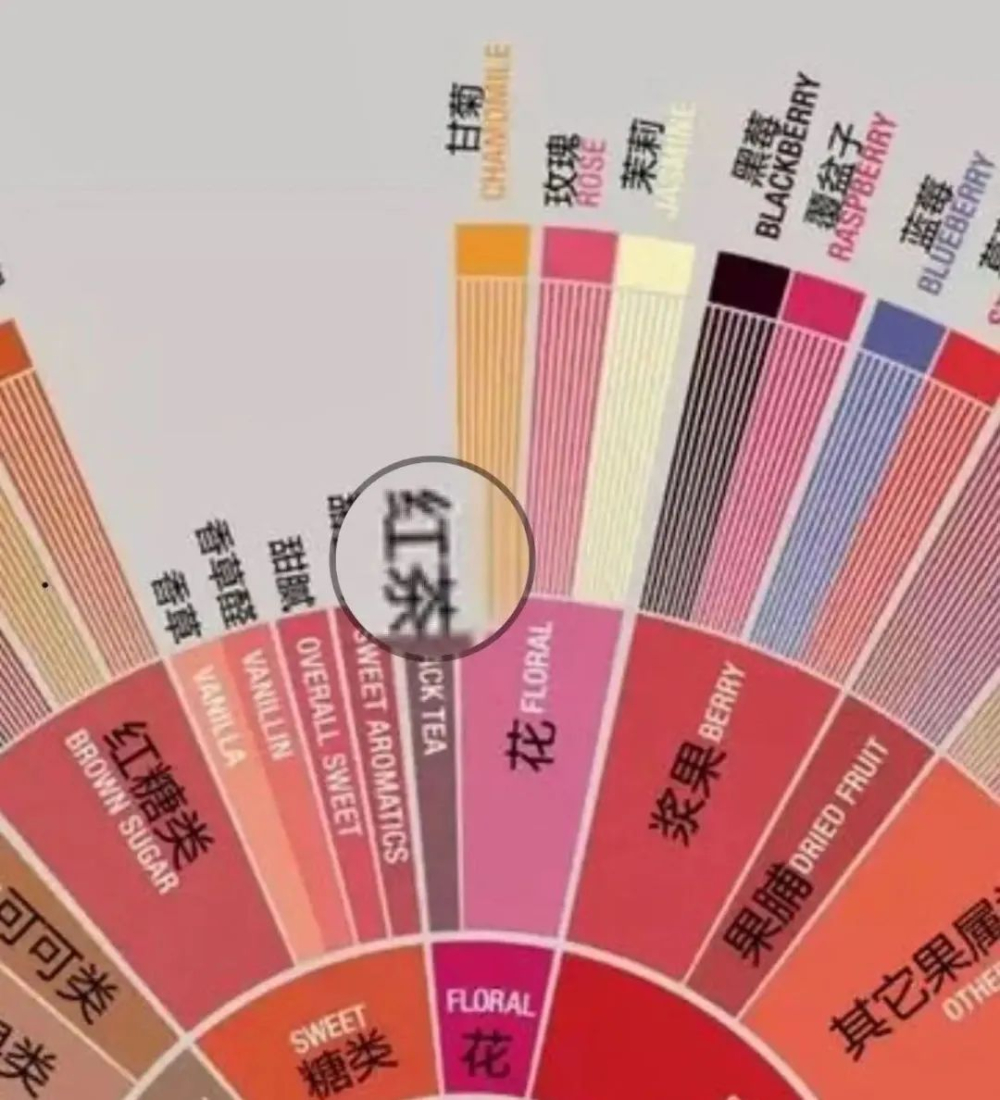
In the professional coffee flavor wheel, the term "tea" is almost entirely absent, with the only related term—"black tea"—classified under floral notes. Yet, walk into a local coffee shop or check the flavor labels of specialty coffee beans, and descriptors like "green tea," "black tea," and "oolong tea" are common. This raises the question: how are these so-called tea-like sensations actually perceived and defined? Does astringency equate to tea-likeness? Starting from the roles of tea polyphenols and glycosides, we’ll take you through the fascinating details.
The concept of tea-likeness is actually a composite sensory experience. When drinking tea, your tongue might detect a slight roughness, which is typically subtle, not unpleasant, and is often accompanied by a sweet aftertaste. Drinking a sip of water afterward may even make the water taste sweet. This phenomenon mainly stems from tea polyphenols and glycoside compounds in the tea liquor. Tea polyphenols stimulate saliva production, creating what is known as a "mouthwatering" or "salivation" sensation, while glycosides adhere to the oral mucosa, then break down and release glucose, resulting in a "sweet aftertaste" or "returning sweetness." Especially when the hydrolyzable tannin content in the tea leaves is higher, the intensity and duration of both returning sweetness and salivation become more pronounced.
So, how does this subtle roughness in tea-likeness differ from astringency? Essentially, astringency is a tactile response in the mouth, primarily triggered by polyphenolic compounds in food, which create a rough sensation on the tongue. However, astringency can also be divided into positive and negative types. Positive astringency—such as the mild roughness from certain citrus peels—when paired with clean acidity, can actually enhance the overall complexity of flavor. It’s akin to the bitterness mixed with sour-sweetness when biting into the inner peel of a grapefruit, which can ultimately lead to a returning sweetness. Conversely, negative astringency often stems from issues with the coffee beans themselves, such as excessively high levels of chlorogenic acid that convert into quinic acid during roasting. This substance is non-volatile, not detectable by smell, but distinctly bitter and astringent in taste. Additionally, insufficient dehydration during roasting may also cause the coffee to exhibit a grassy, raw astringency and a puckering sensation.
Positive astringency is usually just a brief roughness on the tongue that quickly transforms into the sweetness of returning flavor; whereas negative astringency lingers in the mouth for a long time and is difficult to rinse away even with water. So why does coffee sometimes exhibit tea-likeness similar to drinking tea? This is closely related to the organic acids in coffee. Organic acids stimulate the salivary glands, thereby producing the experience of salivation and returning sweetness—much like the natural flow of saliva in the mouth when eating green plums or waxberries. In fact, most of the acidity in coffee originates from organic acids in the green beans, which transform during roasting. Therefore, factors like cultivation altitude and soil conditions also greatly influence the final acidity profile of the coffee.
Generally speaking, coffee beans grown at high altitudes are more likely to display bright and vibrant acidity when roasted lightly. For example, Kenyan beans grown at an altitude of 1600 meters often have a solid and layered acidity when light roasted. However, Brazilian beans grown at around 1000 meters may only exhibit hollow acidity and intense nutty tones when light roasted. Only when the right level of roasting and high-altitude conditions work in tandem can the acidity of the coffee harmonize with subtle astringency and specific aromas to evoke the sensation of drinking tea—this is what we call coffee tea-likeness.
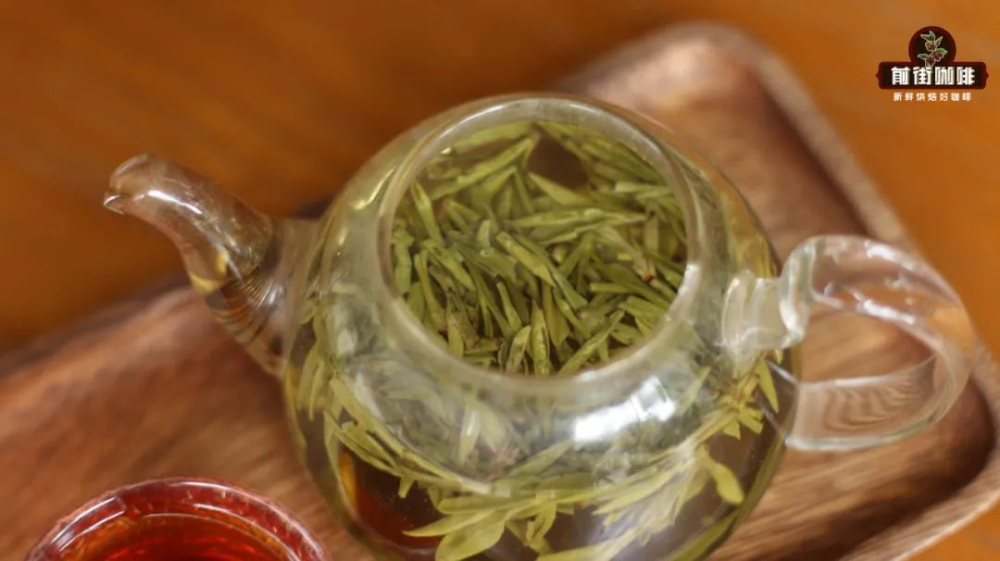
So, what kinds of tea-likeness can actually be found in coffee? This largely depends on one’s familiarity with the aromas and returning sweetness of different types of tea. Take green tea as an example—it retains a high amount of tea polyphenols, so besides a slight astringency, it also offers a fresh aroma and an umami-like savoriness (i.e., savory taste derived from amino acids). When tasting washed-process Yirgacheffe coffee, one often detects a similar green-tea-like umami and fresh aroma, especially in the aftertaste.
Moving on to semi-fermented green teas like oolong tea or Tieguanyin, the tea-likeness tends to be smoother, with noticeable returning sweetness and long-lasting aroma. When sampling the washed-process Jade Vineyard Green Label coffee, one might notice its aftertaste has a similar lightness and persistent returning sweetness, reminiscent of drinking Tieguanyin. As for fully fermented black tea, the tea-likeness is fuller and more robust, with intense aroma and clear returning sweetness. The returning sweetness in the aftertaste of self-grown Yunnan sun-dried Typica coffee is often described as being similar to that of black tea.
These varied mouthfeel experiences naturally lead many consumers to associate them with specific types of tea. As a result, terms like "tea aroma" and "tea-likeness" frequently appear in the flavor descriptions of coffee beans in the domestic market. As for why the international flavor wheel only includes "black tea" as a tea-related descriptor—and even then, categorizes it under floral notes—it’s mainly because there’s no systematic definition for the aroma and returning sweetness of tea in Western contexts. Their perception of black tea is often olfactory, hence its classification under floral. In China, however, due to consumers’ deep cultural familiarity with tea, using tea-likeness to describe coffee helps break the stereotype that "coffee only tastes bitter and burnt," and further highlights that coffee can also possess delicate aromas, clean textures, and pleasant salivation and returning sweetness, much like tea.
The above content is compiled by CoffeeHunters, a coffee news website.


