







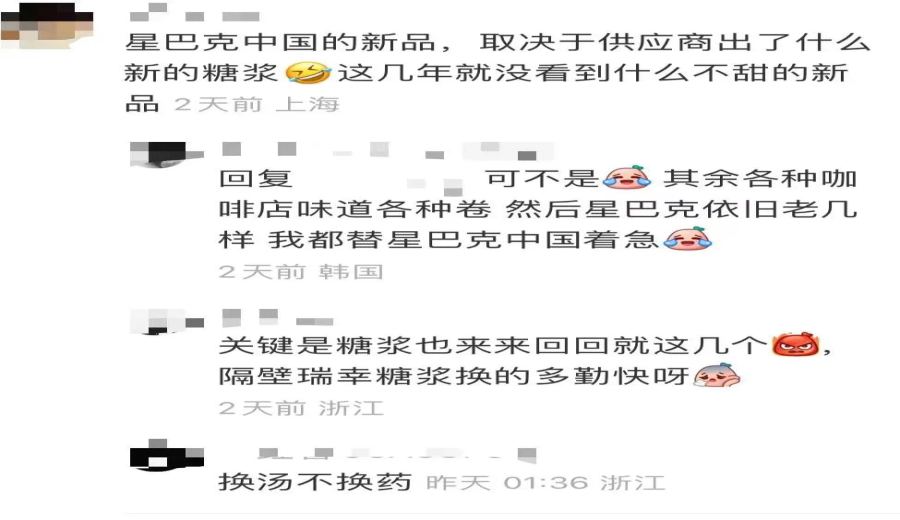
Introduction:In recent years, Starbucks has faced repeated market skepticism over its new product launches, which are widely regarded as lacking innovation and overly repetitive, particularly in terms of taste and seasonal adjustments. This article delves into Starbucks’ new product development strategy, explores why it struggles to attract younger consumers, and offers suggestions on how coffee products can enhance their appeal through flavor innovation—helping coffee enthusiasts better understand market trends and product choices.
In recent years, Starbucks has noticeably slowed its pace of product innovation. Many new offerings have been criticized by consumers as “same taste, different packaging,” especially in the domestic market (excluding Hong Kong, Macau, and Taiwan), where this trend is particularly evident. From cherry blossom to camellia, from holiday exclusives to regular seasonal drinks, Starbucks has made few breakthroughs in formulation or flavor—even as other domestic tea and coffee brands frequently roll out fresh products, Starbucks remains sluggish in comparison. Without accelerating its strategic adjustments—particularly in achieving differentiated innovation in “taste”—Starbucks may struggle to maintain its appeal among younger consumer groups.
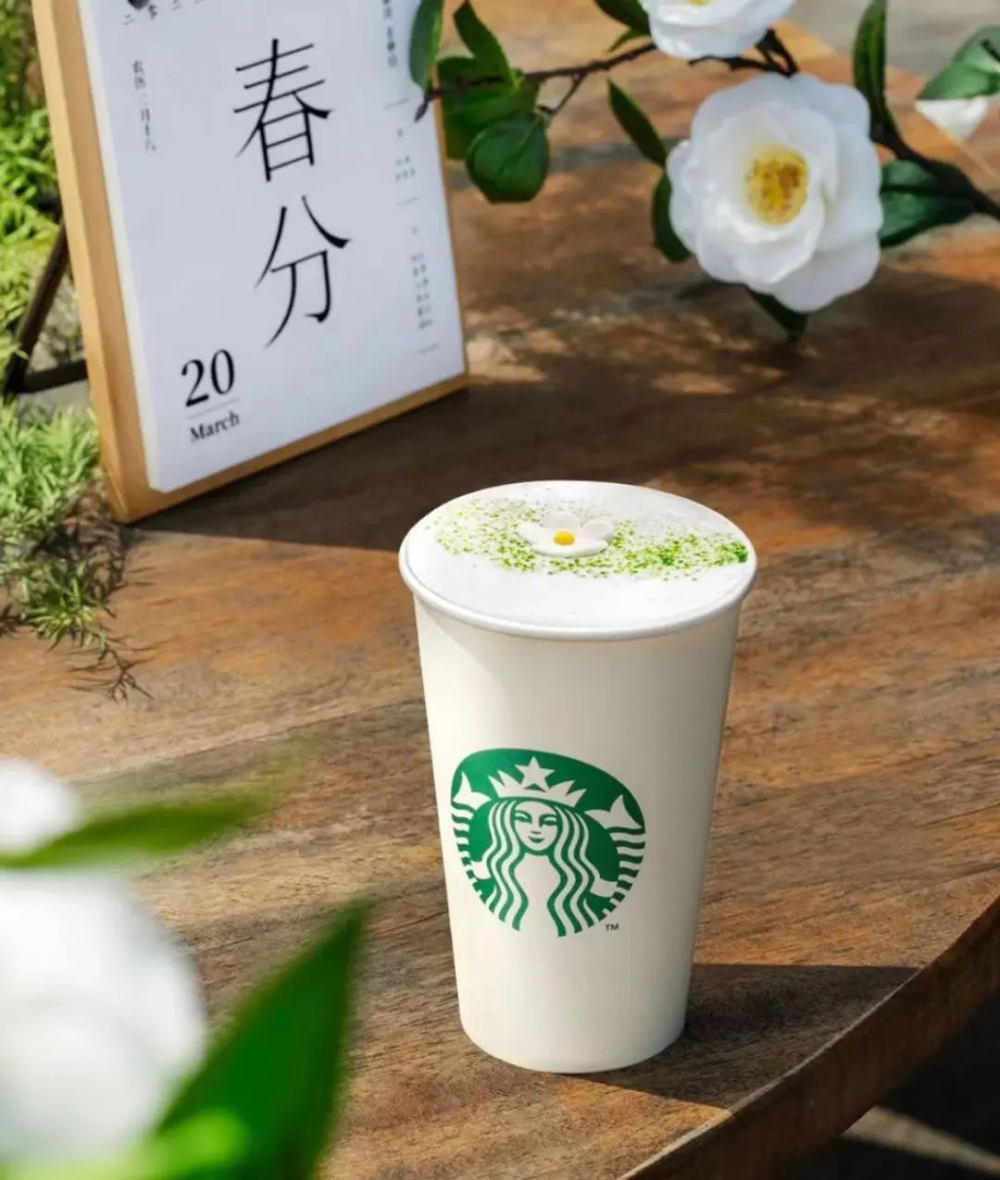
Take floral-flavored coffee as an example. In 2021, camellia flavor became a market sensation, yet Starbucks didn’t launch a related series until 2022, and the product lineup failed to break away from conventional thinking. By spring 2023, when many brands had already introduced tea-coffee combinations, Starbucks was still promoting its Camellia Latte. Even earlier, between 2019 and 2021, the cherry blossom series dominated the spring market. Though diverse in design, the offerings were essentially just various arrangements of coffee and cherry blossom elements—only in 2023 did they add a light cream cheese element, offering a slight touch of novelty.
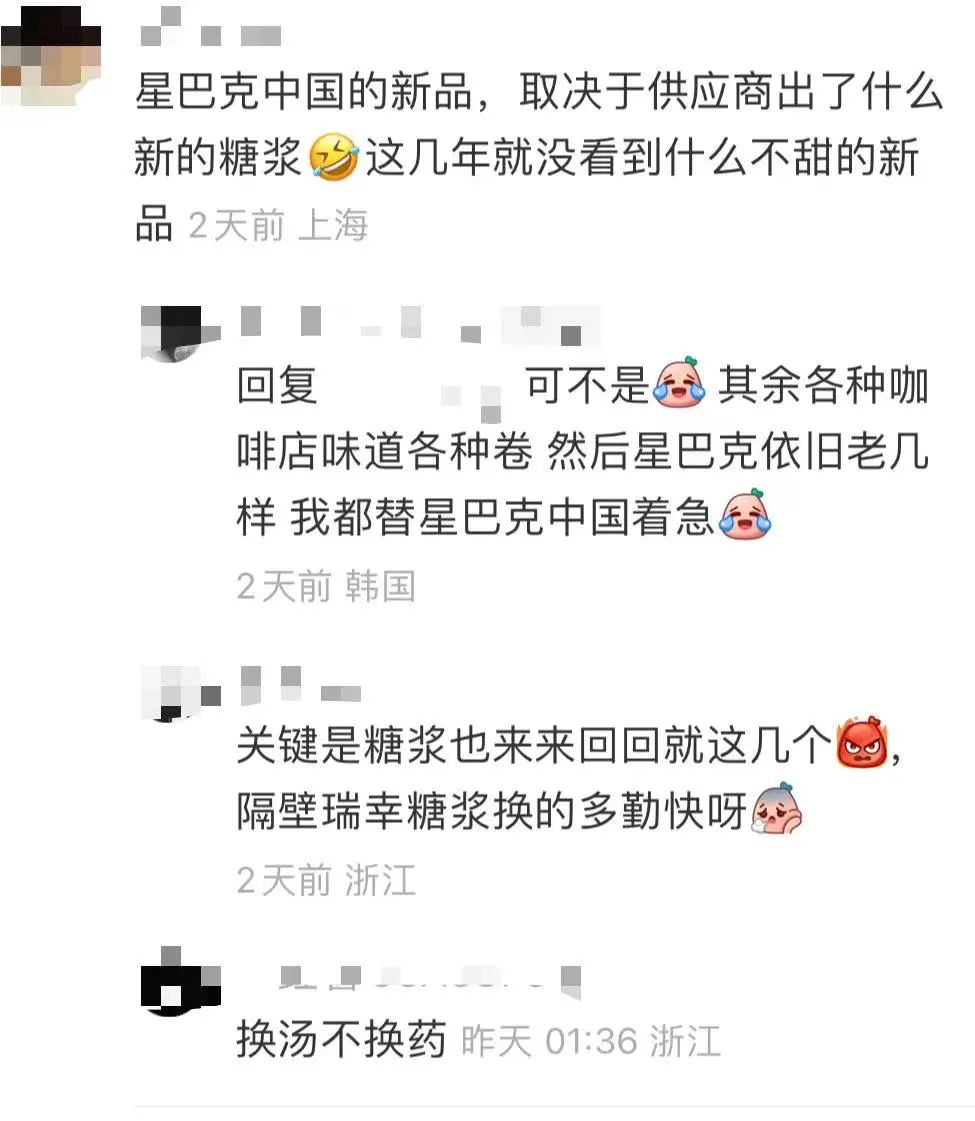
For holiday exclusives, Starbucks focuses on Lunar New Year and Christmas, but the flavor variations introduced over the years have been limited. Common combinations like chestnut-peach blossom and toffee white mocha have become almost fixed menu items. In contrast, Starbucks outlets in other regions launch cold brew innovations based on seasonal climates—such as grapefruit cold brew and apple-peach cold brew—not only aligning with timely demand but also offering greater flavor variety. Yet domestic Starbucks remains confined to the single formula of “syrup + dairy + espresso,” lacking any groundbreaking attempts.
As spring transitions into summer, consumer preferences generally lean toward refreshing flavors. Yet in 2024, Starbucks chose to re-release its almond milk coffee, first introduced back in 2018—a move that left many consumers and baristas puzzled and frustrated.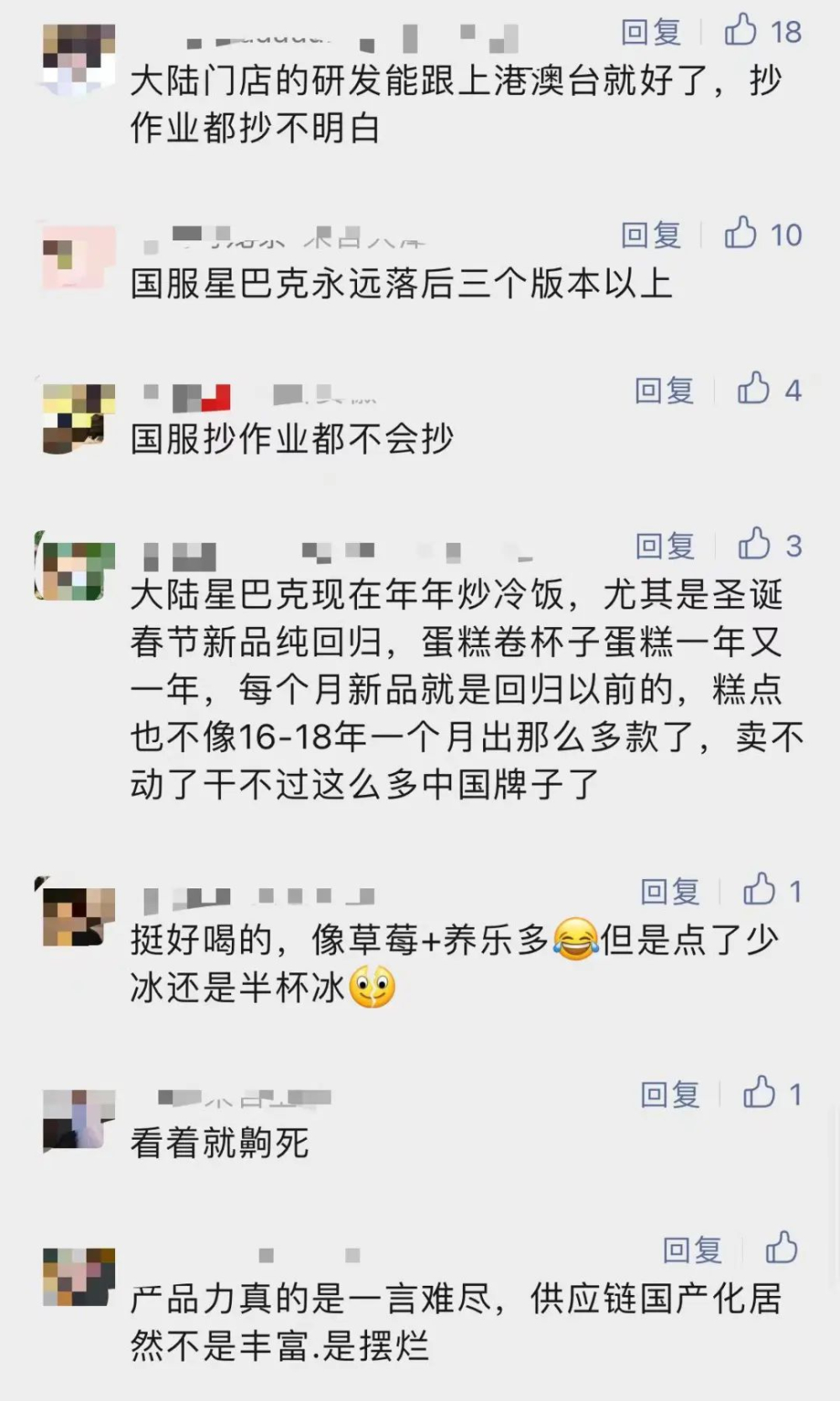 It’s not just beverages; Starbucks has also faced criticism for its lack of innovation in holiday food items. During the Dragon Boat and Mid-Autumn festivals, its zongzi and mooncakes are often described as “year after year, nothing new,” with stale flavors and unchanging appearances. Compared to creative combinations like flowing-center mooncakes and fern cake zongzi launched in Hong Kong, Macau, and Taiwan, the offerings are clearly less appealing. Additionally, mooncake gift boxes in Hong Kong, Macau, and Taiwan often come with exquisite small gifts and premium packaging, whereas the domestic versions have seen no upgrades for years and are criticized as “too practical but utterly devoid of surprise.”
With intensifying market competition, more local and international coffee brands are entering the fray, causing the once-dominant glow of Starbucks to gradually fade. Although its service and store ambiance remain advantages, the appeal of the products themselves is key. Starbucks seems reluctant to fully engage in the fierce competition of the affordable coffee market, but relying solely on syrup swaps or seasonal-themed packaging is far from enough to continuously attract younger demographics. True innovation should focus on aligning coffee flavors with seasons and consumer preferences—especially demonstrating flexibility and foresight in taste layers, flavor fusion, and ingredient selection.
Notably, April 26, 2024, is approaching. Rumor has it that this year’s Iced Shaved Ice Mooncakes will see a reduced quantity without a price cut—from the original 10-piece pack down to 8 pieces—and there will be no significant flavor updates, with even the early-bird promotional gifts being canceled. This move is bound to spark another wave of consumer discussion and highlights Starbucks’ conservative approach to product strategy. Facing rapid market changes, whether Starbucks can strike a balance between flavor innovation and consumer expectations will be key to regaining market enthusiasm in the future.

The above content is compiled by CoffeeHunters, a coffee news website.


