







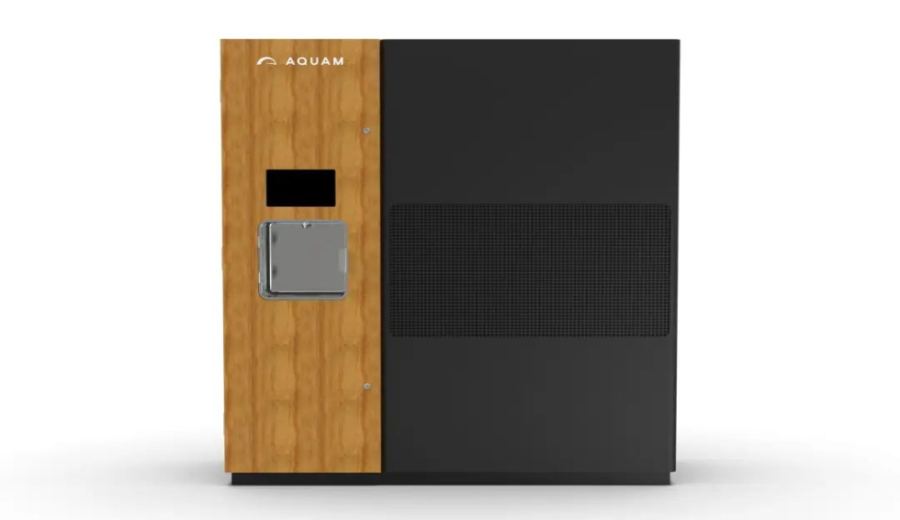
Introduction:Did you know? Japanese engineers have turned the idea of “brewing coffee with air” into reality by developing an intelligent coffee machine that uses atmospheric humidity as its water source. Combining multi-stage purification and mineralization technologies, it can provide brewing water that meets safe drinking water standards, even in disaster scenarios where water supply is cut off. This article will take an in-depth look at how it works, the original intent behind its design, and discuss its practicality and controversies in extreme situations—showing you how technology can balance drinking water safety with coffee quality.
Can you imagine brewing a rich cup of coffee using just air? A Japanese company has recently launched an innovative coffee machine that efficiently extracts water vapor from the surrounding air. The moisture is then refined through activated carbon adsorption and reverse osmosis (RO) membrane filtration, followed by a biological mineral filter that replenishes trace elements such as calcium and magnesium. The final output is purified water that meets Japan’s 51-item Drinking Water Quality Standards, suitable for various brewing methods including pour over, espresso, and cold brew.
According to the development team, the design was inspired by the water shortages caused by natural disasters such as earthquakes and typhoons. As long as the device has a continuous power supply, users can still obtain safe brewing water even if the municipal water supply is interrupted, ensuring their daily beverage needs are met. Notably, the system can filter out airborne particulates and certain harmful pollutants, ensuring that the final output water is clean enough for direct consumption.
However, this concept has sparked considerable discussion: If the primary challenge in disaster areas is ensuring basic access to drinking water, why prioritize the development of a multifunctional machine that includes coffee brewing capabilities? The official response pointed out that approximately 3.6 billion people globally face varying degrees of water scarcity, and the annual death toll from unsafe drinking water reaches as high as 840,000, with children making up a significant proportion. Therefore, increasing the accessibility of water purification technology is seen as a necessity.
From a technical perspective, the device first captures water molecules from the air via a condensation module, then undergoes a three-stage filtration process—the initial stage removes impurities and large particulate pollutants, the middle stage uses an RO membrane to block heavy metals and bacteria, and the final stage infuses natural mineral stones to adjust the taste profile of the water. Test data shows that its water production rate is about 200 milliliters per hour, which is sufficient for the amount of water needed for a single coffee brew.
Regarding its suitability for special situations, some commentators have pointed out that during a disaster, people may be in more urgent need of stable sources of drinking water, especially since vulnerable groups or young children are not suited to consuming caffeinated beverages. As shown in the image below, traditional portable water purification devices can more directly address basic survival needs.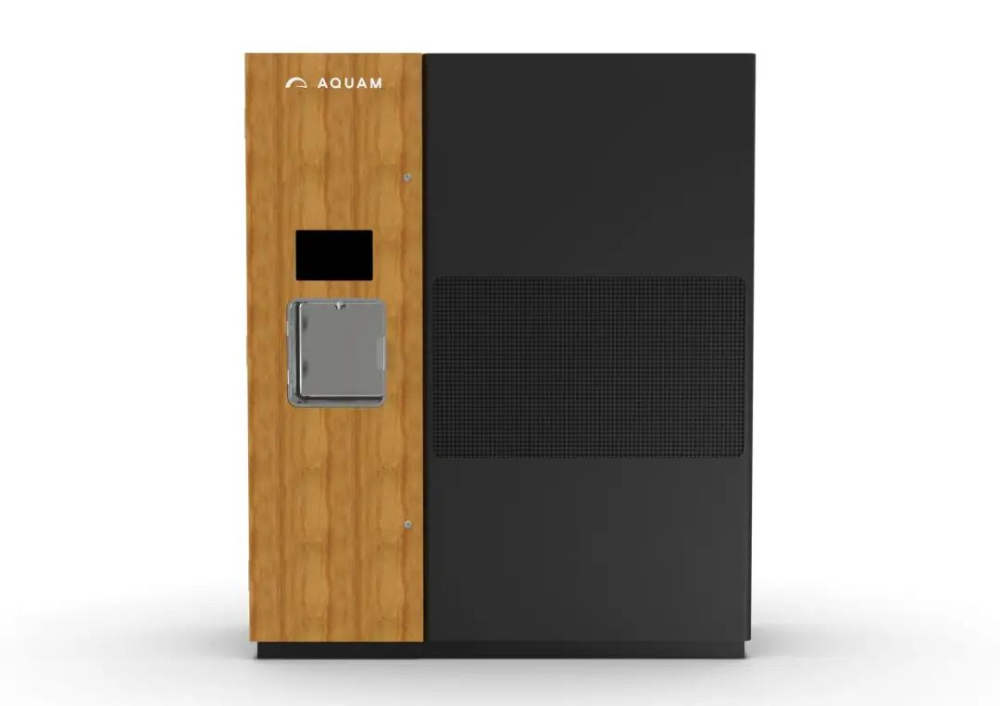
The manufacturer emphasizes that coffee flavor is closely tied to water quality—even with top-tier coffee beans and precise brewing techniques, poor-quality water can significantly detract from the final taste. They advocate that “good water makes good coffee” and ensure each cup can express its intended regional characteristics and complexity through strict control of water quality parameters. However, some consumers believe that simplifying the function into a high-efficiency water purification module would make it more widely applicable and better aligned with real-world needs.
The above content is compiled by CoffeeHunters, a coffee news website.


