







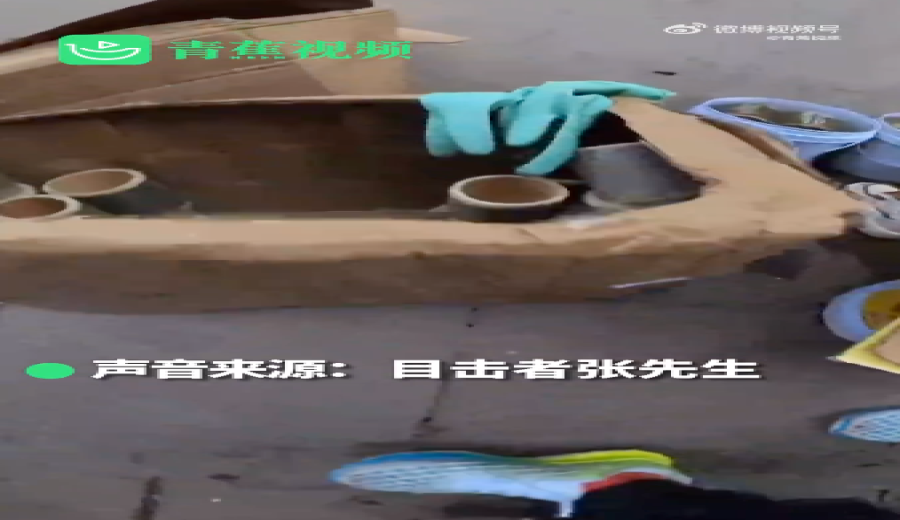
Introduction:Bamboo tube milk tea has gone viral on social media with its traditional Chinese aesthetic and novel packaging, sparking a wave of check-ins. However, a series of moldy bamboo tube incidents has drawn regulatory scrutiny. This article delves into the reasons behind its popularity and the food safety concerns it raises, explores the real challenges of high prices paired with low quality and poor repeat purchase rates, and offers practical advice for consumers on how to identify safe bamboo tubes and choose quality drinks.
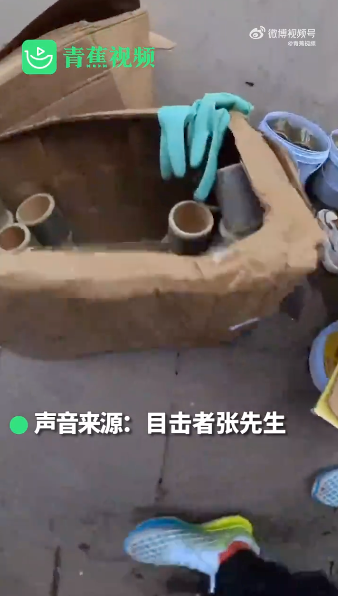
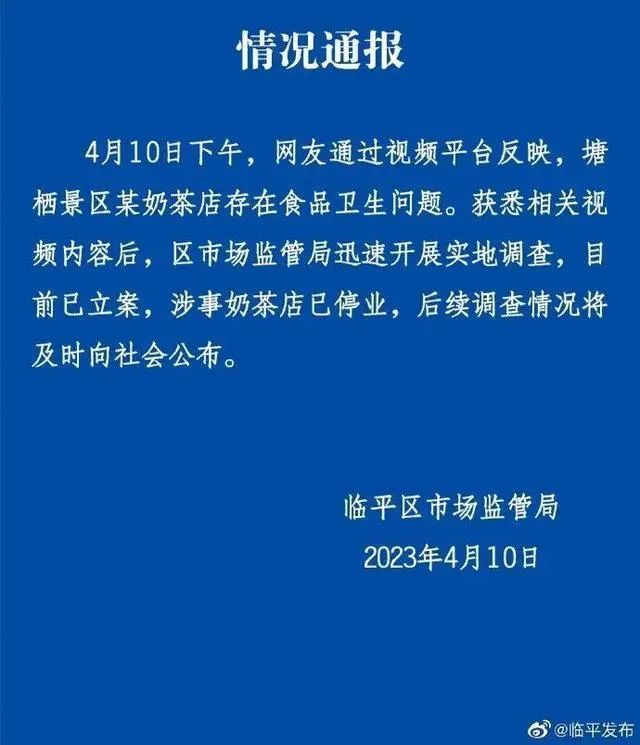
Recently, bamboo tube milk tea quickly rose to fame on social platforms, becoming a favorite among young people eager to snap photos. However, an online exposé video revealed that some bamboo tubes awaiting cleaning were covered in visible mold, even soaking in murky, stagnant water—an image that was utterly off-putting. After the footage went public, the Linping District Market Supervision Department, where the scenic spot is located, immediately launched an on-site inspection and formally opened a case for investigation. The involved milk tea shop has since suspended operations, and authorities have pledged to keep the public updated on the progress of the investigation.
Subsequently, market supervision departments in other regions also began conducting spot checks on milk tea shops using bamboo tubes as containers. As of now, the investigation results show that apart from the initially exposed shop, no similar issues have been found in other areas. Local authorities have required businesses to enhance employee hygiene training, ensure bamboo tubes are stored in dry environments, rigorously select mold-free bamboo tubes, and follow strict protocols including thorough cleaning, disinfection, and complete drying before use.
How did bamboo tube milk tea become so popular in such a short time? With Chinese aesthetics once again rising as a mainstream trend, products infused with elements of traditional Chinese culture often quickly win consumer favor. Whether it’s a Chinese-style store interior, regionally inspired product names, or packaging designs that blend traditional aesthetics, anything with a touch of Chinese charm can easily catch the eye of young consumers, spawning numerous imitating brands and shops.
In a competitive landscape where it’s hard to create significant differentiation in drink flavors, packaging becomes a key tool for brands to stand out. After all, very few consumers will remain loyal to a brand solely because of its flavor, but it’s common to see people willing to pay for eye-catching looks and designs. From three-dimensional cup sleeves and uniquely shaped cups to innovative designs using non-traditional materials, brands not only pursue visual uniqueness but also target the younger generation’s love for collecting and DIY creativity. By encouraging consumers to continuously share their personalized DIY creations, brands gain additional exposure and viral reach.
Bamboo tubes stand out for several reasons: on one hand, bamboo itself exudes a strong traditional Chinese vibe; on the other, its non-traditional nature as a drink container makes it unique. Many consumers, after trying it, even consider taking the bamboo tube home to use as a pen holder or other household item. When the physical embodiment of Chinese elements, unconventional materials, regional labels, and multi-functional potential for secondary creation come together, bamboo tube milk tea quickly became a hot choice that everyone wanted to try and post about.
However, despite its initial craze, many consumers say they won’t buy it again. Online complaints are endless, including remarks like “the drink doesn’t taste good,” “the bottom of the bamboo tube is uneven and easy to tip over,” and “high price but not matching the quality.” Some customers who were originally drawn to the DIY aspect found the residual milk tea and cream inside the bamboo tube too sticky and hard to clean, ultimately deciding to throw the tube away. Others reported that even if they took the bamboo tube home, it was extremely difficult to fully dry once it got damp—even if it seemed dry on the surface, it could mold again within days.
Looking at the broader market trends, product homogenization, inconsistent quality, and high pricing have become common issues among many viral drinks. Although many consumers have complaints about such products, driven by high traffic and eye-catching appearances, as long as a product looks attractive enough, it can still achieve decent sales in the short term. In the long run, however, food safety and quality control will be the key factors determining whether bamboo tube milk tea can truly establish a stable foothold in the market.
The above content is compiled by CoffeeHunters, a coffee news website.


