







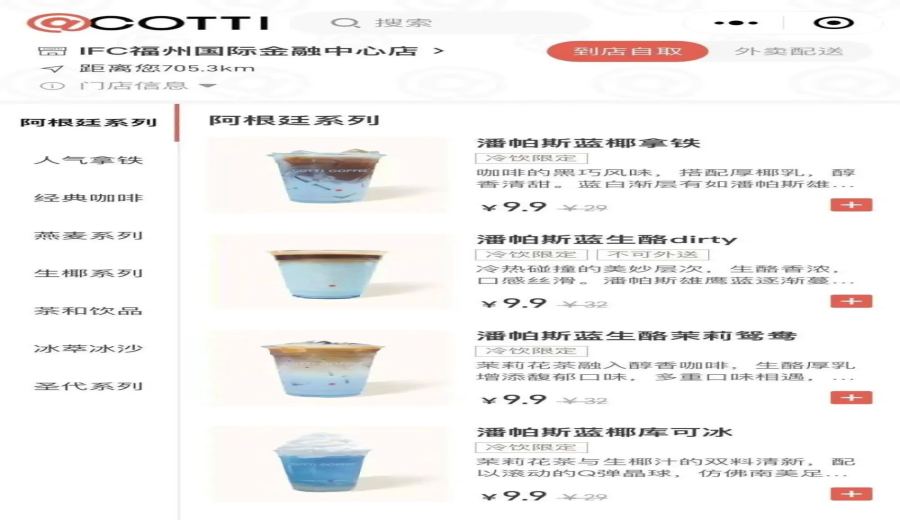
Introduction:Since late 2022, Luckin’s rival, Cotti Coffee, has entered the market with a low-price strategy, focusing on affordable coffee at just 9.9 RMB per cup, sparking widespread discussion among entrepreneurs and consumers. This article delves into the brand positioning, product differentiation, franchise model, and capital background of Cotti and Luckin, comparing their development trajectories in depth. It also explores the long-term operational viability of both brands and analyzes the investment risks and opportunities in the current market environment, helping you make a more informed judgment.
Since the opening of its first store in October 2022, Cotti Coffee has quickly entered the market with its consumer-friendly price of “9.9 RMB per cup,” successfully attracting significant consumer attention. While this pricing strategy can drive short-term popularity, it has also raised many questions about its long-term operational sustainability and brand positioning.
In terms of products, Cotti shares many similarities with the market leader Luckin in terms of beverage types and flavor profiles, but there is still a noticeable gap in quality consistency and innovation. Many consumers have reported inconsistencies in Cotti’s offerings, leading those who value a consistent experience to lean toward competitors with more established brand images.
It’s worth noting that Cotti did not receive the massive capital support that Luckin enjoyed in its early stages, nor does it currently have any publicly announced financing or IPO plans. Without sufficient funds to sustain long-term subsidy battles, the brand can only rely on adjusting prices and accelerating expansion to maintain market share, which also puts its overall business model under significant pressure.
In contrast to Luckin, which quickly adjusted its strategy after its financial turmoil by focusing on product development and customer relationship management, Cotti appears to still adhere to an expansion-first mindset. It is reported that the brand has recently opened over 100 new stores within just seven days, an astonishing pace of expansion.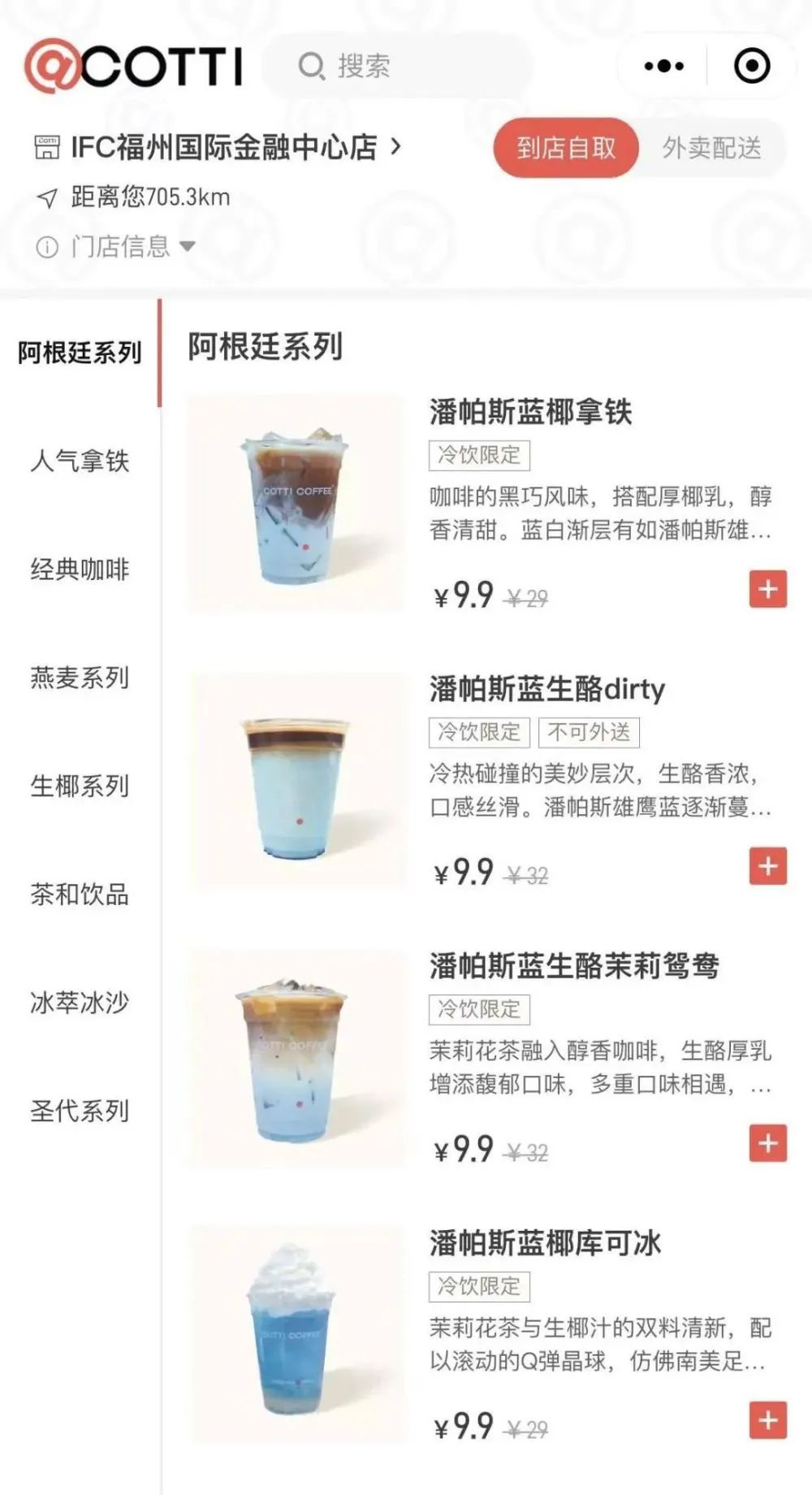 However, whether this rapid expansion can bring tangible benefits remains to be seen, especially since a solid customer base and brand loyalty have yet to be established.
Additionally, due to the brand’s failure to create a standout flagship product and with its price advantage gradually narrowing, consumers faced with multiple affordable options often prefer chain brands with longer operating histories, more stable product flavors, and better service. This also puts considerable competitive pressure on Cotti.
The reason Luckin managed to regain its footing after the turmoil lies in its timely adjustment of business direction—halting blind expansion and instead investing resources into product development while gradually cultivating a loyal customer base. In contrast, Cotti’s founder seems still fixated on increasing store numbers, hoping to share operational costs and market risks by expanding the number of franchisees.
Some observers note that Cotti’s current strategy may not be focused on the end consumer market but rather on attracting a large number of franchisees, using their capital investment to accelerate brand expansion. However, without a stable customer base and clear differentiating advantages, the sustainability of this franchise-dependent expansion model remains highly uncertain.
In summary, for entrepreneurs considering joining Cotti, beyond being attracted by the low entry barriers and initial subsidies, it’s crucial to deeply understand the brand’s business model, market positioning, and long-term development strategy in order to evaluate its true investment value and potential risks. In the current market environment, carefully assessing every decision will be key to ensuring business success.
The above content is compiled by CoffeeHunters, a coffee news website.


