







Introduction:During the pour over process, water pooling is a common yet troublesome issue, especially during the final extraction phase. If not handled properly, it can easily lead to bitter and astringent flavors, as well as an unbalanced cup. In reality, by mastering the degree of bloom expansion, the foam state during pouring, and the water level changes before the last pour, you can anticipate potential pooling risks early and adjust your brewing strategy in time to avoid extraction failure. This article will guide you through identifying possible pooling at three key moments and provide practical solutions and remedies.
The most frustrating part of pour over brewing is definitely water pooling at the end, which not only prolongs the extraction time but also often leads to over-extraction, resulting in flat or even bitter flavors. However, if we pay attention to certain details at a few critical moments just before the pour ends, we have a chance to spot early signs of pooling, make timely adjustments, and prevent the worst from happening.
Below, we’ll assess the likelihood of pooling based on three important stages: the expansion during the bloom, the foam condition after the first pour post-bloom, and the water level drop rate before the final pour. We’ll also offer specific suggestions for dealing with it. Additionally, if all else fails, we’ll explain how and when to use the "diverting" method as a last resort.
Key Moment One: Bloom Expansion
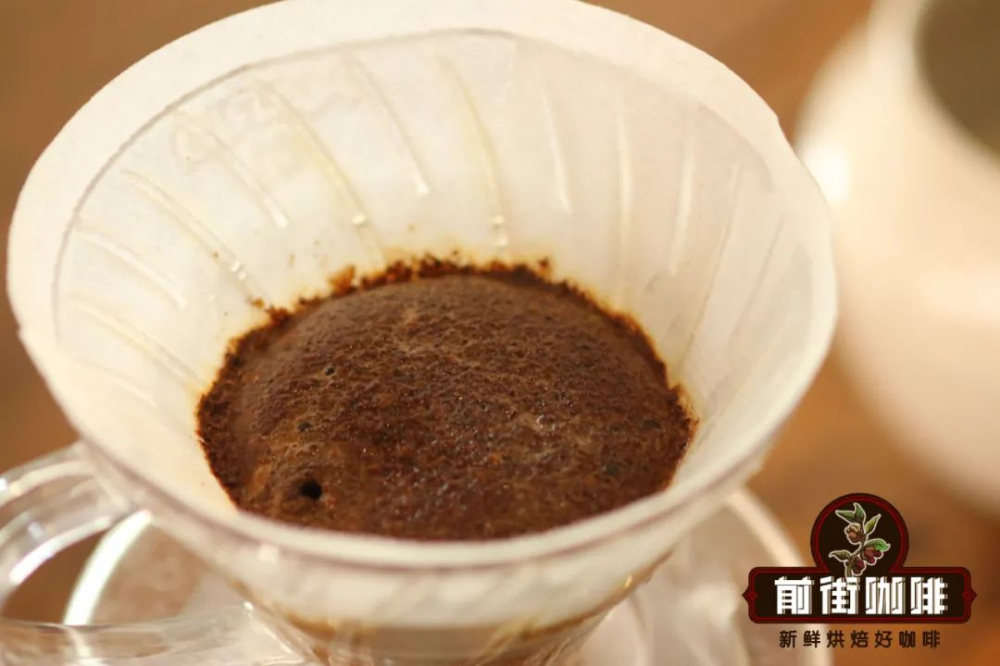
Before starting the actual pour, we perform the bloom, during which the coffee grounds absorb water and expand, forming what looks like a “hamburger” shape. The degree of this expansion is closely related to the freshness and roast level of the coffee beans. Generally speaking,the fresher the beans, the more noticeable the degassing reaction during the bloom, and the greater the expansion.Conversely, older beans may show little to no significant expansion.
Additionally,dark roasted beans, due to their looser structure, tend to expand more noticeably, often forming a fuller bed of grounds; light roasted beans, being harder, usually exhibit a smaller expansion, sometimes even barely visible. If you observe a clearly puffed-up coffee bed during the bloom, it generally indicates smooth drainage afterward and less risk of pooling. But if the expansion is weak, be cautious—blockage might occur toward the end. It’s advisable toavoid large circular pours and slightly raise the water level over the coffee bed to reduce the risk of clogging.。
Key Moment Two: Foam Condition After the First Pour Post-Bloom
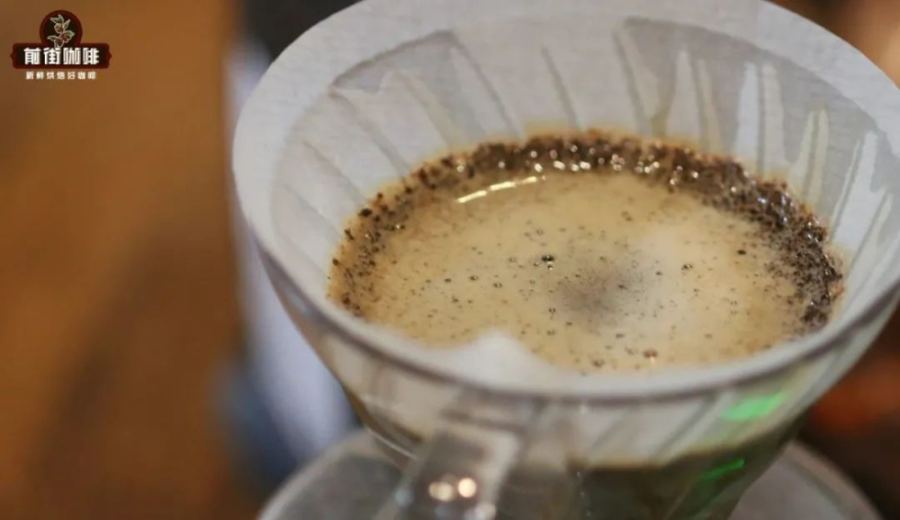
When you start the first pour after the bloom, pay attention to the foam that forms. If the foamis dark in color (with brownish-yellow hues), dense, and covers the surface evenly,it means the coffee bed is well-aerated and less likely to develop pooling issues. However, if the foamis light in color (close to yellow-white), thin, unevenly distributed, or even has noticeable gaps,it suggests that many coffee particles have sunk to the bottom, potentially blocking the filter holes and causing poor drainage.
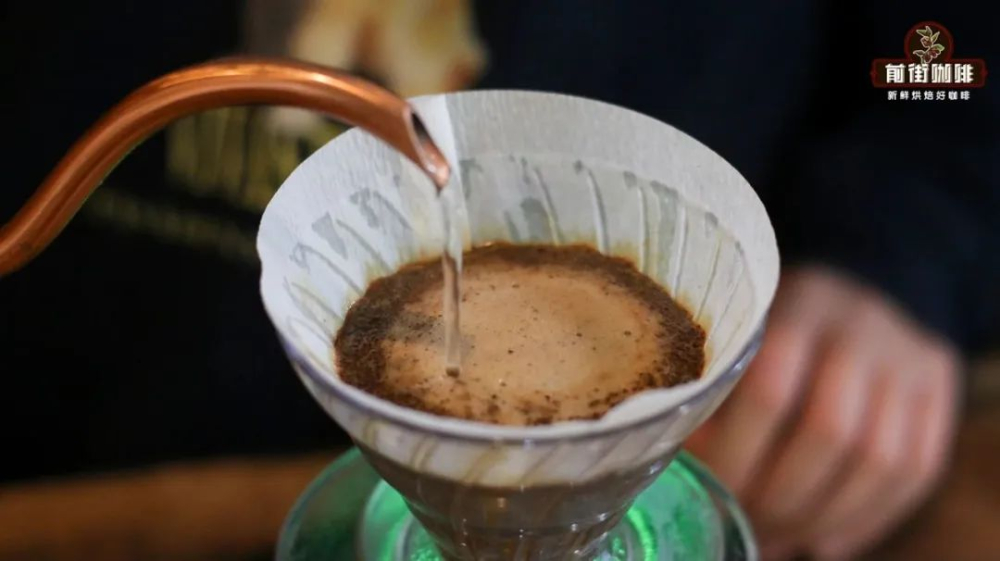
If you notice this situation and haven’t yet finished the current pour, you might considerincreasing the pour strength to agitate the coffee bed while narrowing the pour path to prevent pushing coffee grounds from the edge toward the center, which could worsen blockage.。
Key Moment Three: Water Level Drop Rate Before the Final Pour
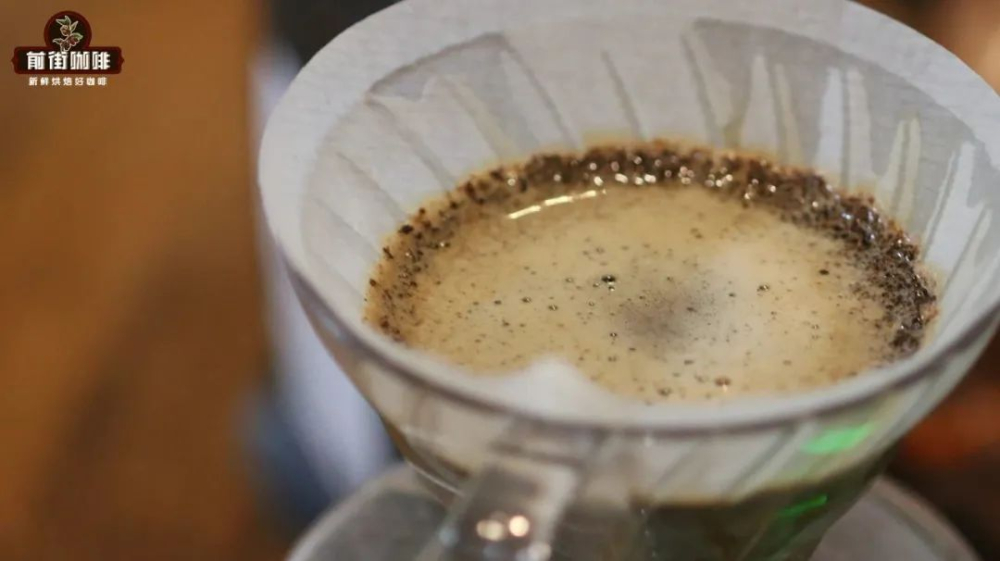
Before entering the final stage of brewing, observing how quickly the water level over the coffee bed drops is another crucial indicator of pooling risk. If you find thatthe water level drops more slowly or even comes to a complete stop,it’s usually a warning sign that the coffee bed has become denser and the drainage channels are obstructed. In such cases, it’s recommended touse a stronger flow rate during the final pour to gently agitate the bed and help clear the pathway for water to pass through.。
Ultimate Remedy: Applying and Adjusting the Diverting Method
When the observations and adjustments made at the three key moments above fail to effectively resolve the pooling issue, the final emergency solution is to employ the “diverting” method—that is, stopping the pour early when obvious pooling or extremely slow drainage occurs, in order to prevent over-extraction and flavor degradation. While diverting can immediately stop the development of bitterness, its downside is that it may leave the coffee overly concentrated and cause some flavor layers to be lost.
If you choose to divert, you might consider using a “bypass” method by adding10 to 20 milliliters of hot water to dilutethe brew, adjusting the concentration to a more balanced state. More importantly, it’s essential to revisit your entire brewing process to identify what caused the drainage issue—whether it was an improper coffee-to-water ratio, too fine a grind size, or a need to adjust your pouring technique—in order to avoid the same problem in the future.
The above content is compiled by CoffeeHunters, a coffee news website.


