







Introduction:With the arrival of spring, the common but pungent-smelling stone flower (石楠花) found in urban areas has sparked discussions. Some coffee shops have launched a spring special drink called the "Stone Flower Latte," which has quickly become a hot topic. This creative beverage that combines stone flower with coffee has elicited polarized reactions online. Is the stone flower actually edible? What health effects might arise from pairing it with coffee? This article will delve into the background of the Stone Flower Latte’s creation, its food safety, potential medicinal value, as well as considerations when pairing it with coffee, helping readers gain a more comprehensive understanding of this controversial spring drink.
With spring’s arrival, the stone flower—commonly seen in urban green spaces—has become a trending topic due to its unique and intense fragrance, even frequently topping social media hot search lists. Capitalizing on the moment, many coffee shops have introduced a limited-time spring special called the “Stone Flower Latte,” aiming to create a seasonally inspired coffee beverage centered around this controversial floral scent. However, this creative drink that blends the aroma of stone flowers with the flavor of coffee has sparked considerable discussion among consumers, especially regarding taste and smell—many netizens have expressed difficulty accepting it, with comment sections flooded with various “yue” (a Chinese onomatopoeia for gagging) reactions.
The production method of the Stone Flower Latte is relatively simple, according to available information: first, fresh stone flowers are washed, then lightly mashed, followed by mixing with fresh milk, and finally poured over a shot of espresso. The overall process doesn’t differ much from that of a regular latte, but the key lies in the smell and taste of the stone flower, which often becomes the focal point—and the core of the controversy—of this beverage.
The extreme reactions to the stone flower largely stem from its strong and distinctive fragrance. Many passersby walking near streets or parks planted with stone flowers can detect its smell from about a meter away. Some describe it as a “rich floral scent,” while others find it unbearable, even saying they feel an urge to “leave on the spot” upon getting close. For this reason, although the latte, with the stone flower as its main note, claims to capture the essence of spring, it has received quite a bit of negative feedback in terms of taste. Some netizens even tried replicating the recipe themselves but were put off by the smell before even tasting it.
Beyond the controversy over its smell, many people have also questioned whether the stone flower is suitable for consumption. In fact, despite its strong odor, the stone flower does possess certain medicinal benefits when used appropriately. Traditionally, it is believed to help prevent colds, relieve rheumatic discomfort, and provide some anti-inflammatory effects—though these benefits are typically more noticeable when the flower is brewed in water. Additionally, some nutritionists have pointed out that the stone flower can promote gastrointestinal motility, similar to certain natural ingredients with mild laxative effects.
However, it’s worth noting that although the stone flower may offer potential health benefits in certain contexts, pairing it with coffee might add extra stimulation to the stomach and intestines. The caffeine and acidic components in coffee already tend to stimulate gastrointestinal activity, and adding the stone flower—which has similar effects—may increase the risk of diarrhea or other discomforts, especially for those with sensitive digestive systems. Therefore, experts advise that individuals with more fragile gastrointestinal functions should approach such combinations with caution.
Moreover, for those interested in trying beverages made with stone flowers, it’s especially important to pay attention to their source. While stone flowers commonly planted in urban green belts do possess a certain level of pollution resistance and can absorb dust and harmful substances from the air, these plants are often exposed to the urban environment for long periods, and their surfaces may carry pollutants or pesticide residues. Picking and consuming them directly poses relatively high health risks. Therefore, if you wish to use stone flowers in drinks, it is recommended to choose a reliable source and ensure they have undergone proper washing and processing procedures.
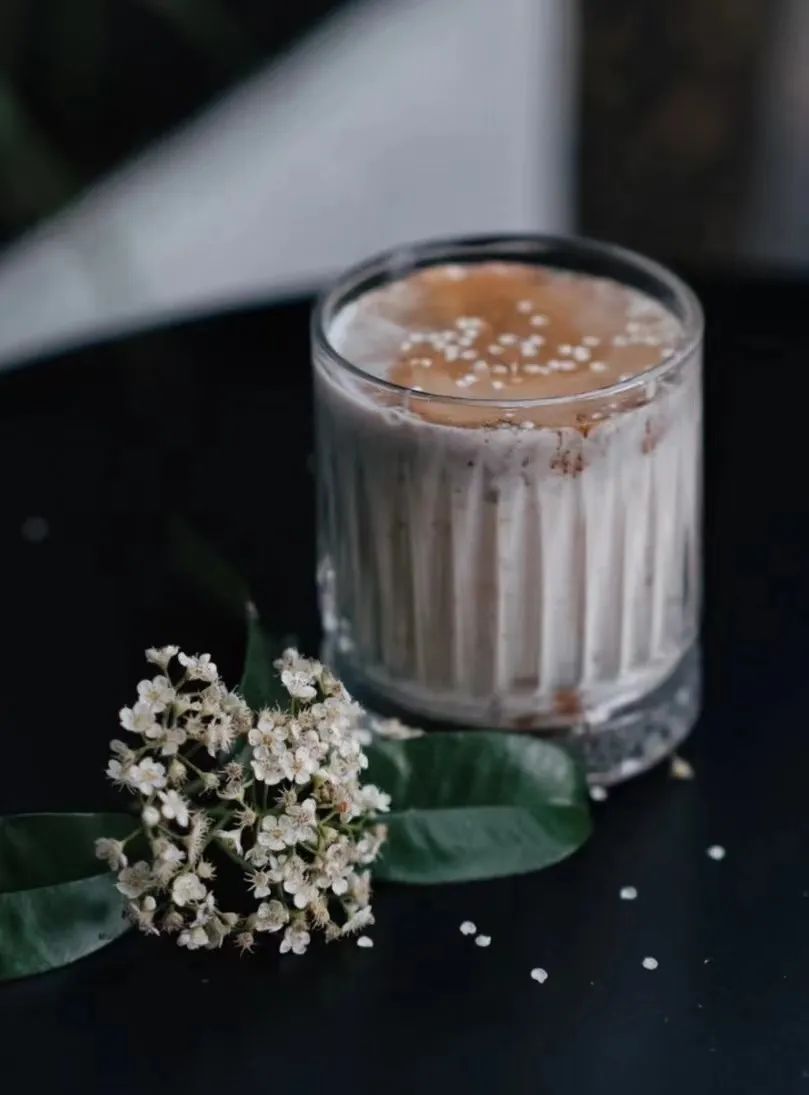
In summary, the Stone Flower Latte, as a seasonal and creatively flavored specialty drink, is visually and conceptually appealing. However, when it comes to actual tasting and health considerations, individual constitution and tolerance still need to be taken into account. For coffee enthusiasts who enjoy experimenting with novel flavors, this spring-limited special might be worth a try—but it’s advised to approach it with an open mind and pay attention to one’s own gastrointestinal response, in order to ensure both safety and a pleasant drinking experience.
The above content is compiled by CoffeeHunters, a coffee news website.


