







Introduction:A customer accidentally broke a cup saucer at a café and was asked to pay 3,000 yuan in compensation, but the shop was unable to provide proof that the saucer was an authentic Hermès product. This dispute has sparked widespread discussion on whether high-value tableware should be clearly priced and how compensation amounts should be calculated. This article explains consumer response strategies, tips for identifying genuine products, and the proper steps to protect your rights—helping you safeguard your interests in similar situations.
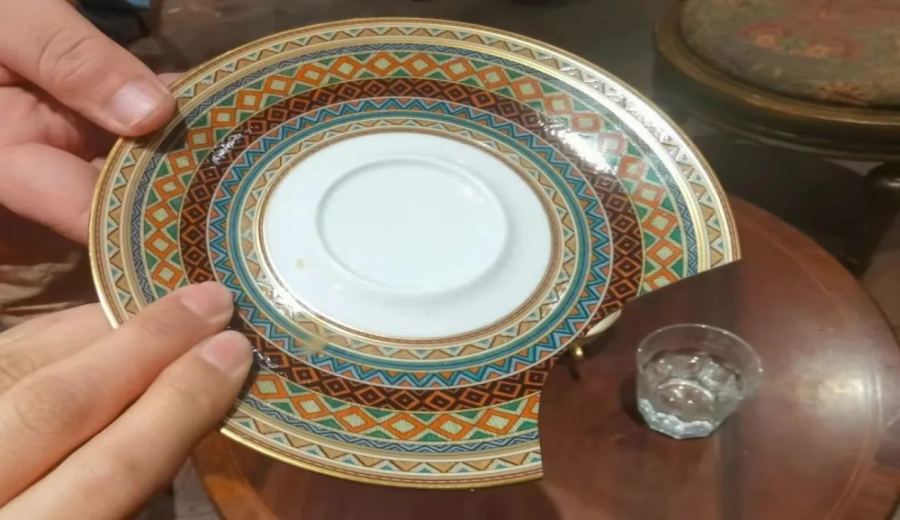
Recently, a netizen shared an experience where they accidentally knocked over a cup saucer while visiting a café. The shop demanded 3,000 yuan in compensation, claiming the saucer was an authentic Hermès item but failed to present proof on the spot. After negotiation, both parties agreed to split the cost equally, but the customer remained skeptical about the handling of the situation and considered reporting it to the police or pursuing legal action. This incident highlights common controversies surrounding the management of valuable tableware in food and beverage establishments.
During the incident, the customer asked the shop to provide proof that the saucer was an authentic Hermès product, but the staff member said the manager was on a flight and could not produce the evidence immediately. The staff only mentioned that the set had been purchased in 2019 and that buying a replacement from the official website would cost 3,200 yuan, but they never provided any purchase invoices or receipts.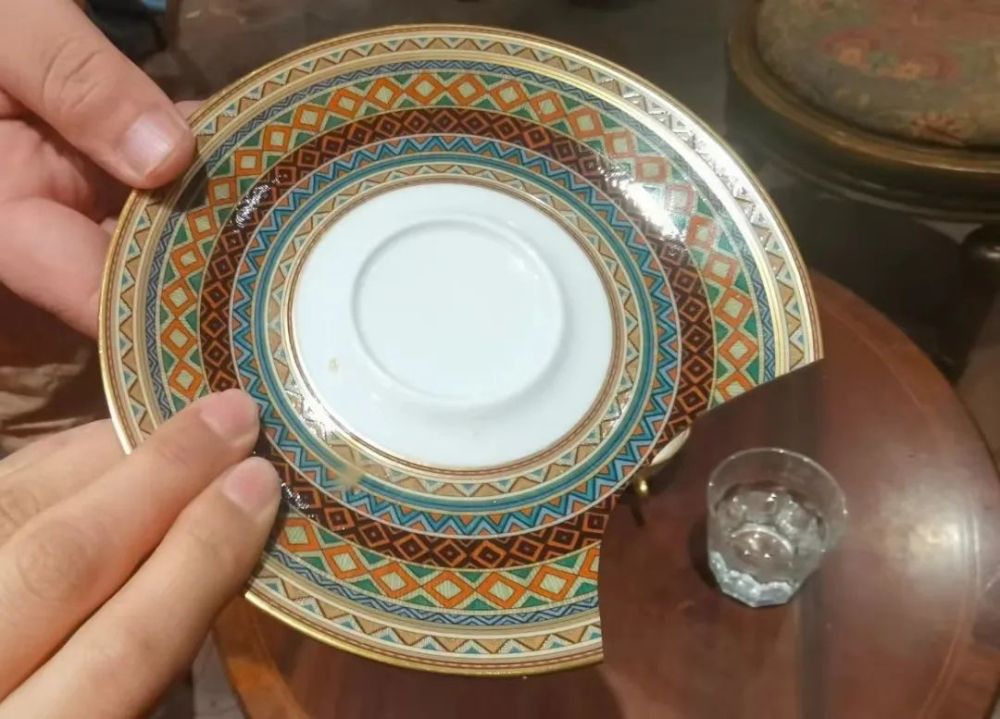
After further discussion, the staff admitted they had not informed the customer about the saucer’s value beforehand. The two sides reached an agreement: the customer would pay 1,500 yuan, and the staff member would cover the other half. However, the customer still felt the handling was inappropriate and sought advice from netizens. This case has triggered multiple discussions: whether the compensation amount is reasonable, whether shops should proactively disclose the value of tableware, and how to verify authenticity have all become key points of debate.
Many netizens believe that a 3,000-yuan compensation is clearly excessive, and it is unfair to make the staff member bear part of the loss personally. Some comments pointed out that if valuable items are involved, businesses should fulfill their obligation to inform customers, and unintentional damage by consumers should not result in full liability.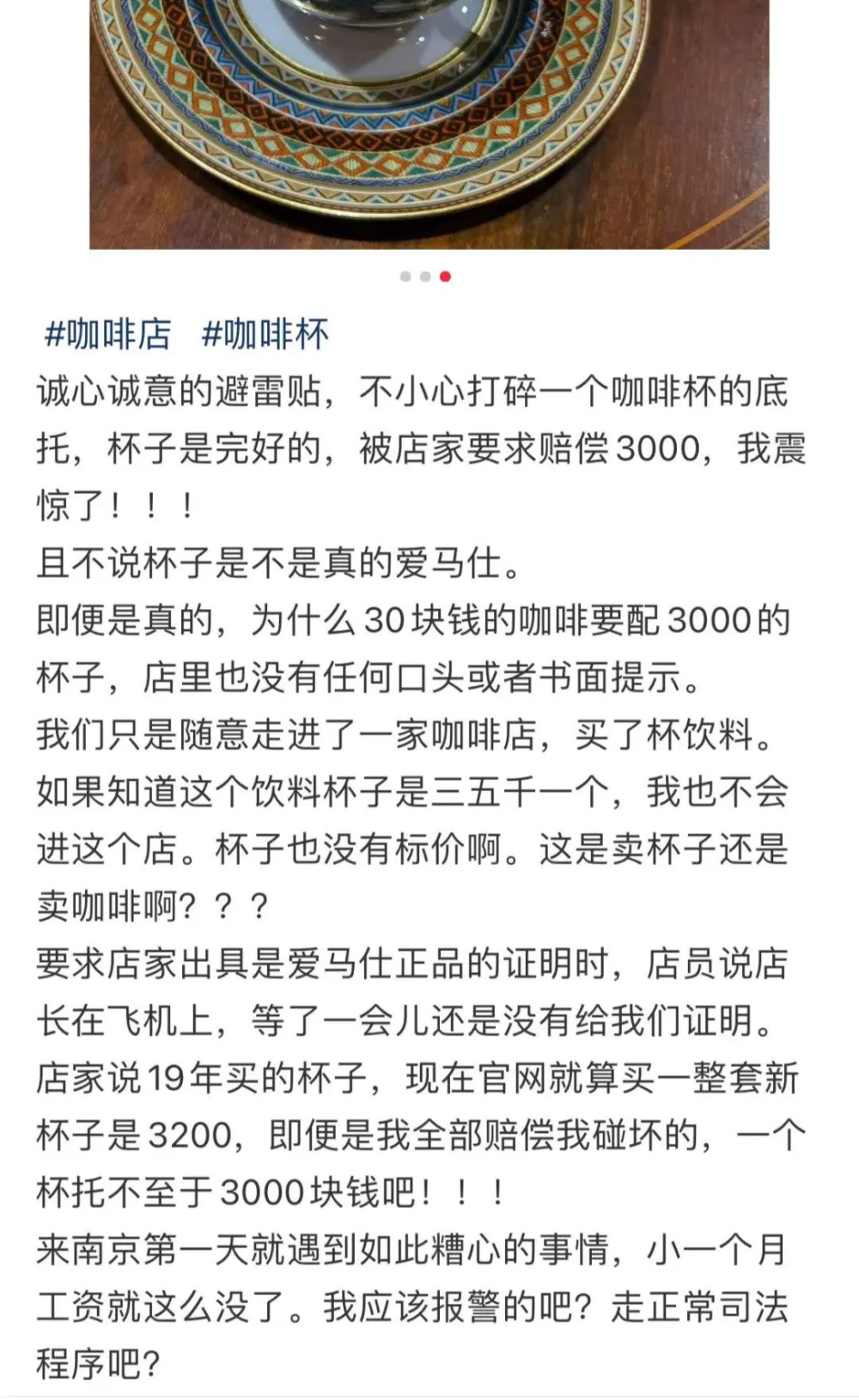
Regarding the calculation of compensation, professionals suggest first confirming the clear market price of the item, then assessing depreciation based on its age and wear condition. If neither party can provide reasonable evidence, involving the police to seek a third-party impartial resolution is a more prudent approach. Additionally, genuine Hermès products usually have a craftsman’s mark under the logo, but such an identifier was not visible in the photos uploaded by the netizen, raising further doubts about the authenticity.
Legal experts advise that consumers facing similar situations can take three steps: first, request the shop to show the purchase receipt and value proof for the tableware; second, during negotiation, advocate for compensation based on the depreciated value; and if the shop refuses to cooperate, report the matter to the police for mediation or resolve it through legal channels. Notably, businesses have a clear obligation to inform customers about high-value display items in their premises, and failure to do so may affect the allocation of responsibility.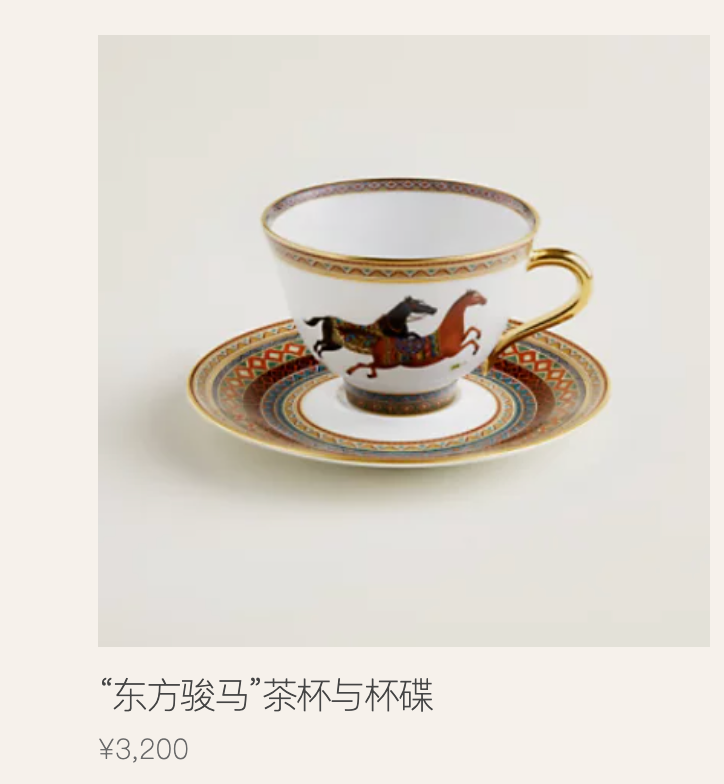
In this incident, the shop’s owner never made a public statement, leaving communication solely to the staff. When consuming at cafés or similar venues, if you notice special materials or high-priced tableware, it’s advisable to proactively inquire about their value to avoid future disputes. For businesses, improving tableware labeling and implementing proactive disclosure procedures are key measures to reduce such controversies.
The above content is compiled by CoffeeHunters, a coffee news website.


