







Introduction:For beginners who are new to coffee, the wide array of coffee equipment on the market can often be overwhelming. In fact, at the entry level, there’s no need to choose expensive or complicated devices. As long as you understand the two main brewing methods—pressure extraction and drip filtration—and opt for practical, easy-to-use tools, you can enjoy the pleasure of coffee within a reasonable budget. This article will help you select the right coffee equipment based on your needs and avoid common pitfalls.
When first stepping into the world of coffee, many beginners often feel at a loss when faced with the variety of coffee tools—not only is it hard to choose, but they also don’t know how to use them. In truth, there’s no need to pursue flashy features or high-end equipment at the beginning; choosing common, practical, and easy-to-operate tools is sufficient. Although there are many ways to brew coffee, the most common and beginner-friendly methods mainly fall into two categories: pressure brewing (such as espresso machines and moka pots) and drip brewing (such as pour over and drip machines). This article will analyze the key points of selecting various types of equipment in these two directions in detail, and provide practical advice to help you choose truly useful and hassle-free coffee tools within a limited budget.
There are many types of coffee equipment on the market, and for beginners, it’s easy to get stuck in choice paralysis—not knowing what to buy, how to pick, or even how to use it. In reality, when selecting coffee equipment, just remember one simple principle: “Don’t chase high prices, don’t go for flashy designs, just aim for practicality.” Beginners don’t need to buy products with too many functions or overly complex designs; choosing conventional, practical, and easy-to-use models is enough. Although there are many ways to extract coffee, the ones that are truly suitable for beginners and relatively simple to operate are mainly pressure brewing and drip brewing.
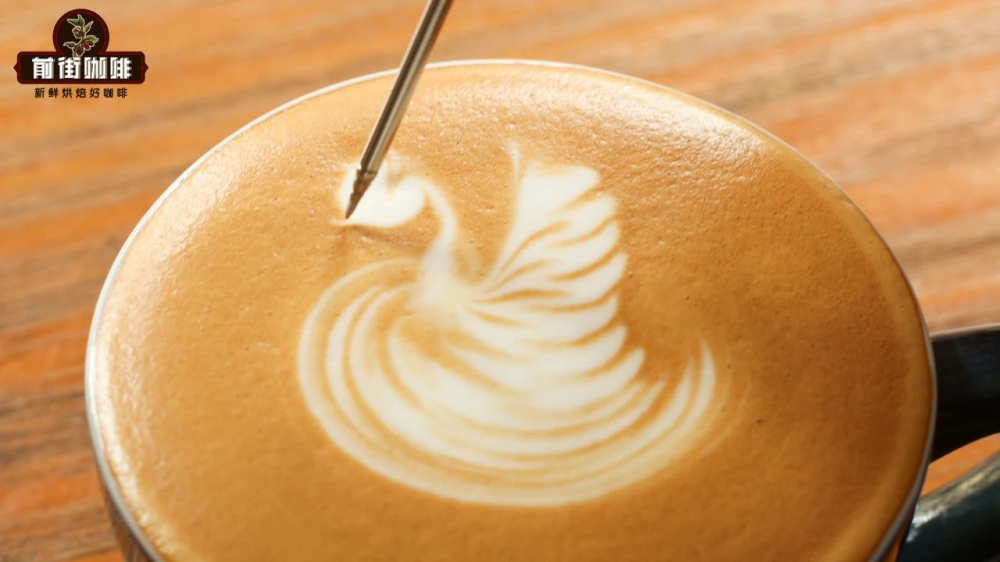
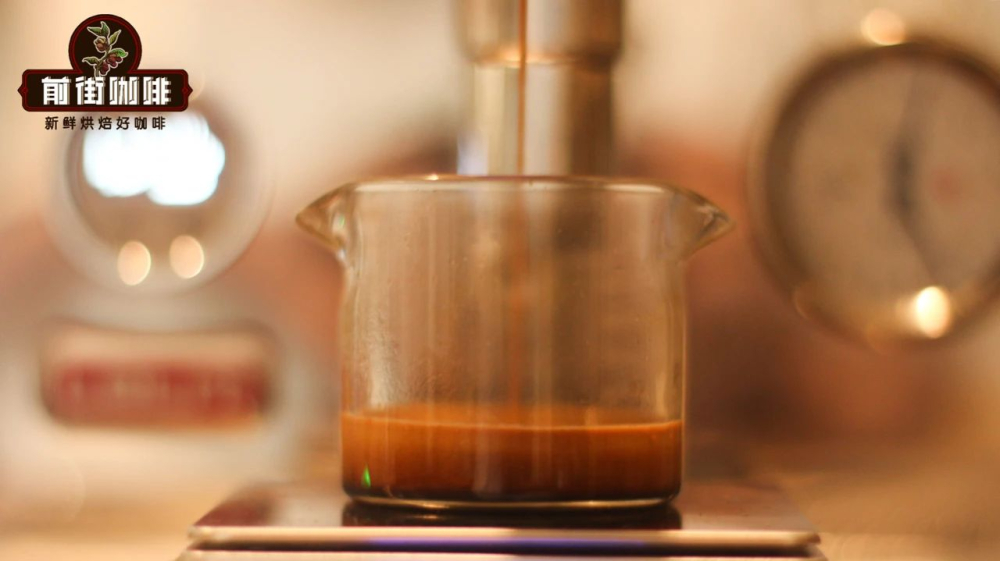
Many beginners initially want to buy an espresso machine, mainly because it seems simple to operate, brews quickly, and can make strong coffee that’s convenient for adding milk or other ingredients to make drinks like lattes and cappuccinos—some even hope to practice latte art. However, many compact espresso machines on the market often fail to reach the standard extraction pressure of 9 bar, resulting in coffee that tastes weak and thin, unable to deliver the rich, aromatic flavor and golden crema found in café-quality coffee. Additionally, the steam wands on many budget models are not only short but also lack sufficient steam pressure, making it difficult to produce fine, velvety milk foam. The resulting foam is often coarse and thick, making latte art nearly impossible. In the end, these machines are often abandoned due to poor milk foam quality and tedious cleaning. Whether it’s an all-in-one semi-automatic espresso machine or a combination of a semi-automatic machine with a separate grinder, getting a good user experience usually requires a budget of over seven thousand yuan to purchase a truly practical and regret-free product.
If your budget is limited but you still want to enjoy strong coffee, a moka pot is a more suitable choice. It’s compact, portable, and only requires a heat source (such as a stove or electric ceramic hob) to brew. You can also customize it with your favorite additives. When it comes to brands, it’s recommended to prioritize Bialetti—a historic brand whose products are known for their quality and durability. Although the price is slightly higher, as long as you clean it regularly, keep it dry, and store it properly, a moka pot can even be passed down through generations. Currently, moka pots on the market are mainly divided into single-valve and double-valve types, with the main difference being the spout design: single-valve moka pots have no additional pressure restriction at the spout, while double-valve moka pots feature an extra pressure valve at the spout, requiring greater pressure for the coffee to flow out, thus producing typically richer and fuller coffee. However, for beginners, it’s advisable to start with a single-valve moka pot, as the double-valve type demands higher precision in brewing parameters and technique. Without a solid grasp of the basics, improper operation can easily affect the flavor of the coffee.
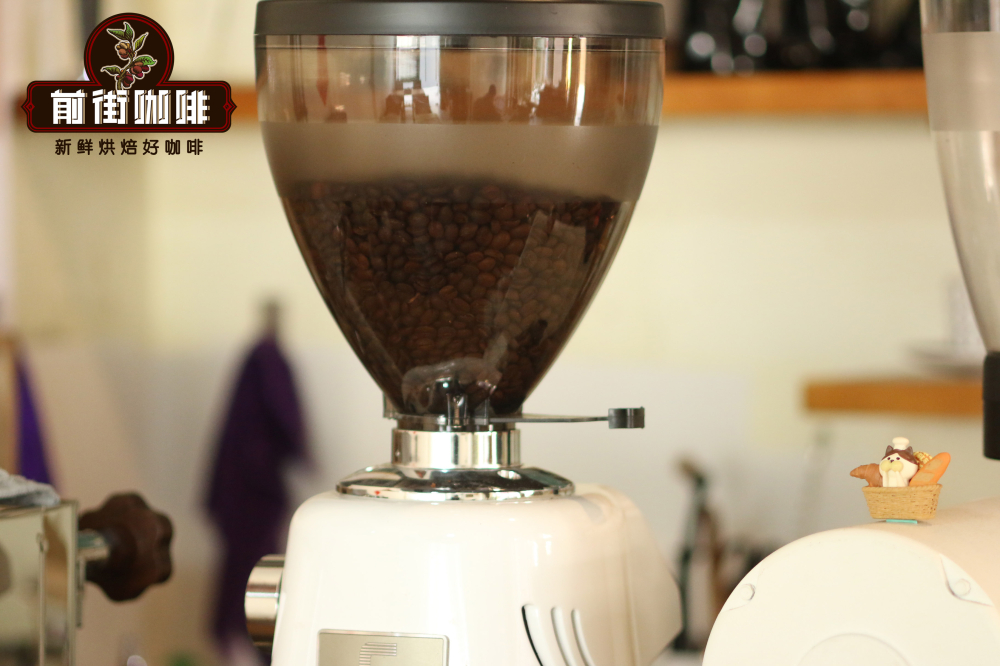
If you choose to brew coffee using the pour over method, the necessary equipment includes a grinder, filter cone, pour over kettle, filter paper, digital scale, and server. Here are some key recommendations for each item. First, the “grinder”: if you’re on a limited budget, it’s recommended to opt for a manually operated grinder from a well-known domestic brand. Prices for hand grinders vary greatly on the market, and in reality, price often correlates with quality: if you want a durable grinder with consistent grind size, it’s advisable to choose one priced above 700–800 yuan; if you won’t be using it frequently, products in the 500–600 yuan range are also acceptable. Grinders priced between 100–400 yuan are generally not recommended, as they often produce poor grinding results and may end up costing more in frequent replacements.
For the “coffee filter cone,” it’s recommended to choose a Hario V60 made of resin material. It’s lightweight, affordable, durable, not easily breakable, and offers great versatility, making it ideal for beginners to explore different brewing techniques. The V60 size 1 cone is suitable for brewing 1–2 servings of coffee, while size 2 is better for 2–3 servings. Its 60-degree conical design extends the contact time between water and coffee grounds, and the large-bottomed filtration holes allow users to control brewing time by adjusting pouring speed and flow rate, which is very beginner-friendly.
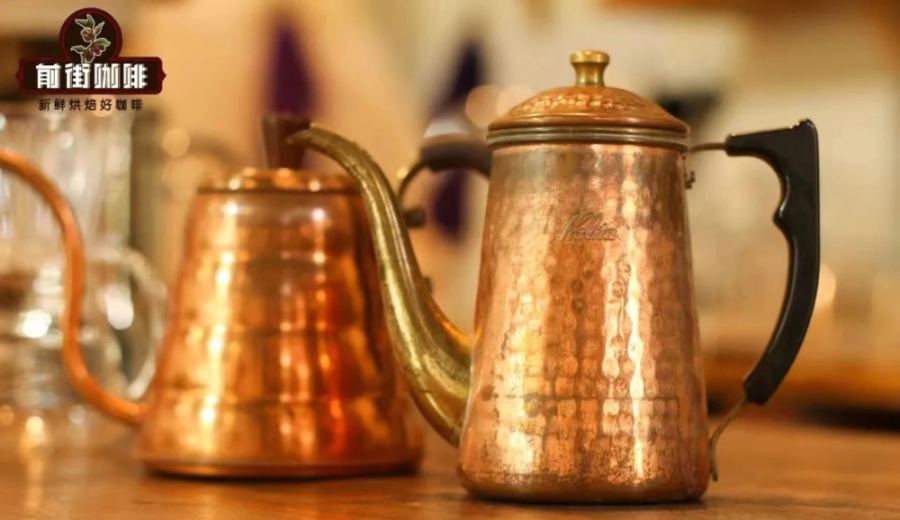
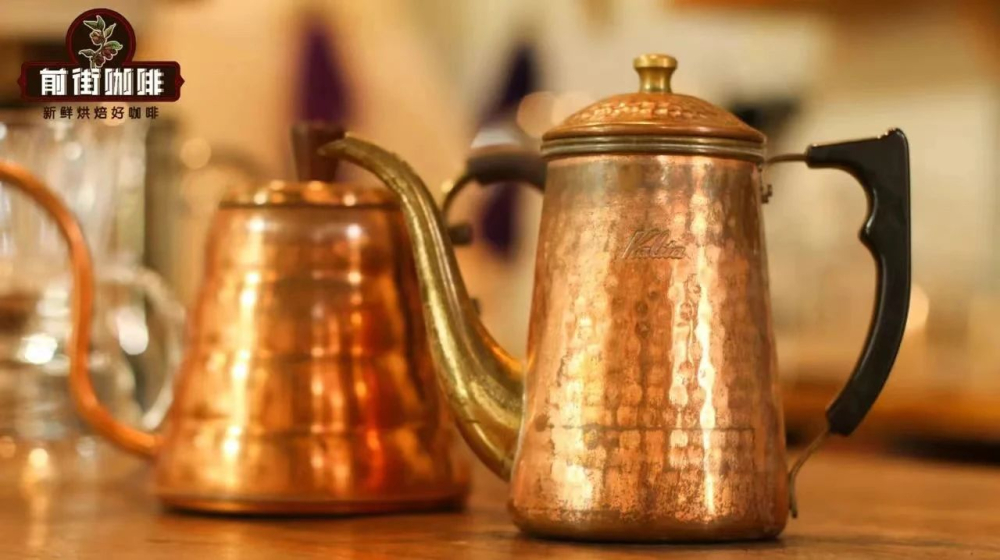
For the “pour over kettle,” it’s recommended to choose a gooseneck kettle with a capacity of 500–600 ml and a lid. Beginners don’t need to seek out temperature control features; a regular pour over kettle paired with an instant-read thermometer to measure water temperature is sufficient. It’s worth noting that the kettle’s capacity affects the stability of your pouring posture, which in turn influences water flow control. If the capacity is too small, the kettle may become top-heavy, leading to unstable pouring.
When choosing “coffee filter paper,” you should select the appropriate specification based on the type of filter cone you’re using, and it’s recommended to prioritize white filter paper. Currently, filter papers from well-known brands (such as Hario and Kono) mostly use enzyme bleaching technology, which employs biological enzymes for the bleaching process. Unlike traditional chemical bleaching, this method doesn’t leave behind unwanted odors, and such technology is also used in the medical field, making it relatively safer and odorless.
For the “digital scale,” a regular household model is usually sufficient, and you can also use your phone for timing. If you want more convenience, you can opt for a quick-display digital scale with a built-in timer—you don’t need to buy an overly expensive product. As for the “coffee server,” pay attention to whether the material is heat-resistant and able to withstand sudden temperature changes. Some low-quality servers may crack due to insufficient heat resistance when brewing hot coffee or performing cold pour overs, especially under large temperature differences.
If you’re looking for coffee with stable flavor and a clean, refreshing taste, a coffee drip machine is a highly convenient option. Using a drip machine means you don’t have to worry about pouring technique or water temperature control, which can significantly reduce the chance of mistakes for beginners who are still mastering brewing skills. The operating principle of an American-style coffee drip machine is to brew coffee grounds with hot water and then filter them through a filter, similar to the logic of pour over brewing—except that the machine replaces manual operation, so the brewed coffee looks very similar to pour over coffee. However, the brewing process of a drip machine is mainly controlled by built-in drip modes, unlike pour over where you can freely adjust pouring techniques, so it offers less flexibility but excels in ease of use and consistent results. Many major brands offer drip machine products, with prices that don’t vary much, so consumers can choose confidently based on their needs and budget.
The above content is compiled by CoffeeHunters, a coffee news website.


