







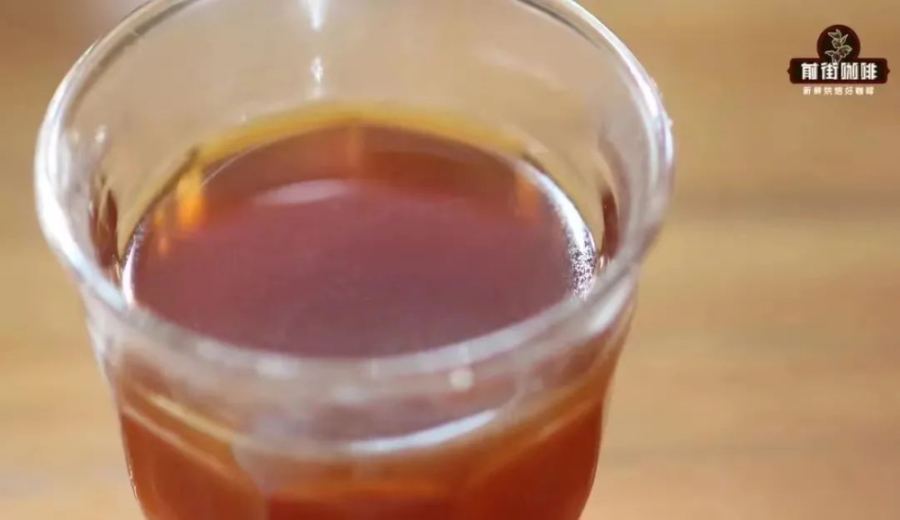
Introduction:Flannel filter pour over coffee was once a classic brewing method in East Asia, delivering a rich, smooth, and oily mouthfeel. However, it has now been almost entirely replaced by paper filter brewing. This article delves into the historical background of flannel filter pour over, compares it with paper filter brewing, and explores its limitations when extracting light roast beans—helping you understand why this traditional method has gradually faded from the mainstream and how it can still be applied correctly.
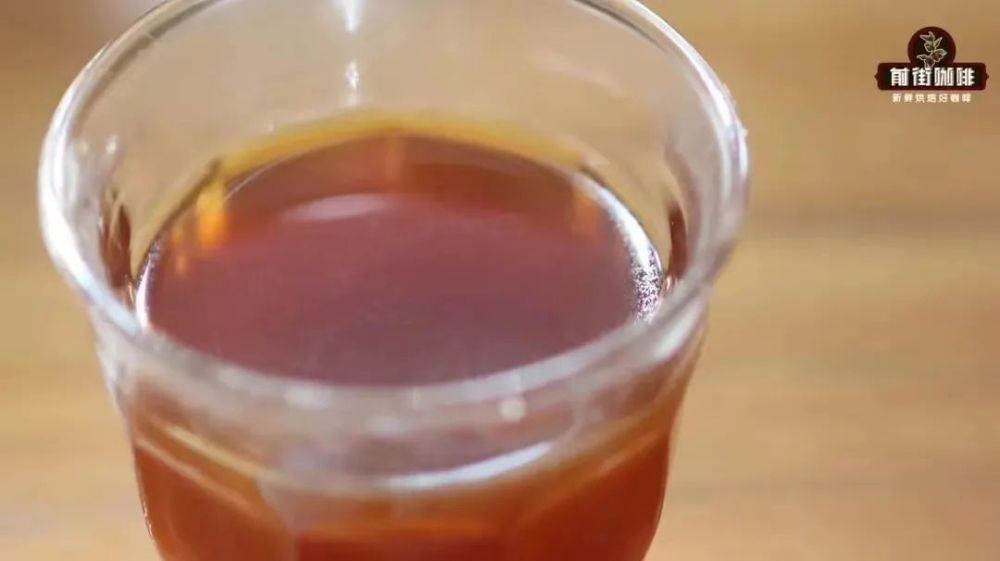
Once, a cup of Mandheling brewed with a flannel filter left a deep impression on a customer. A visitor to the coffee shop recalled, ‘This Mandheling is too clean, without that layer of floating oil—it just feels like something’s missing.’ He remembered drinking a cup during his trip to Japan that had a subtle sheen on the surface and a round, full-bodied mouthfeel—that was the classic flavor produced by flannel filter pour over.
When it comes to flannel filter pour over, we must trace back to 18th-century Europe. At that time, coffee preparation methods were relatively simple and rough—usually involving placing coffee grounds directly into a pot with water and boiling them together, then filtering out the coffee grounds with a flannel filter. This technique later spread to Japan along with the rise of pour over culture and was further refined and popularized there.
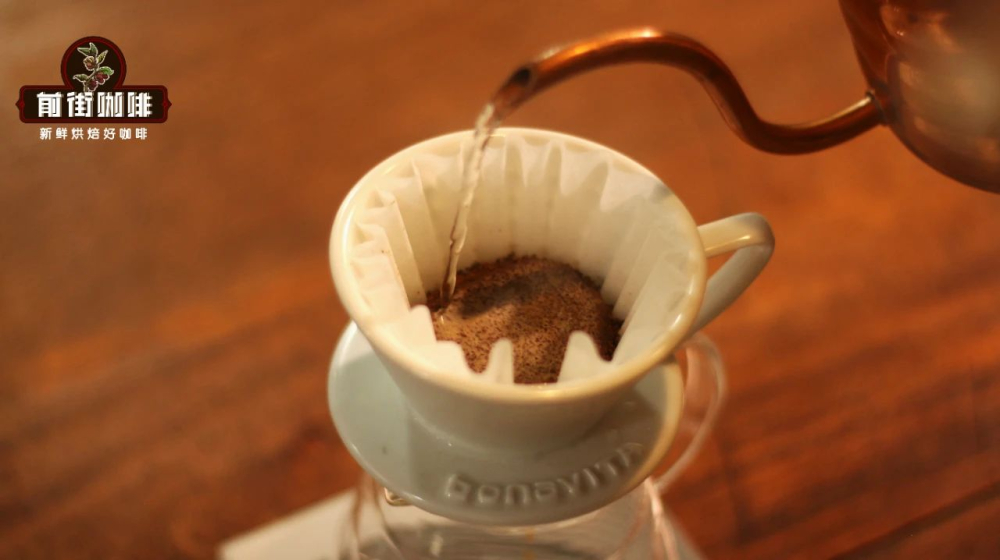
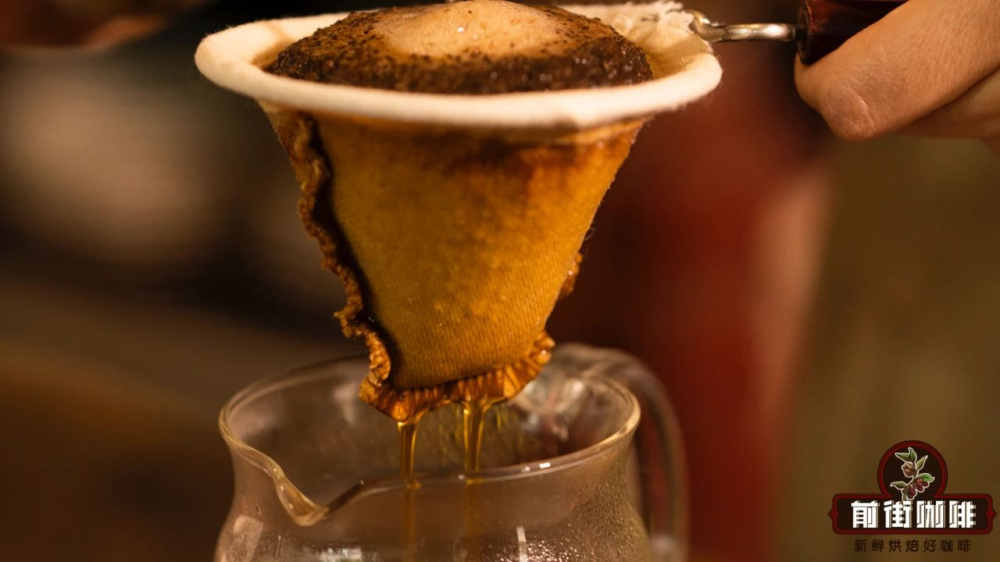
The Japanese quickly discovered that compared to the commonly used paper filters at the time, flannel filters not only produced cleaner and smoother coffee but also delivered a richer and more delicate mouthfeel. Additionally, flannel could be washed and reused, making the long-term cost per cup even lower. For these reasons, flannel filter pour over became widely popular across East Asia. To this day, some Japanese coffee shops still stick to this method, showcasing their commitment to traditional craftsmanship.
However, over time, paper filter brewing gradually became the mainstream, while the use of flannel noticeably declined. Beyond considerations of convenience and hygiene, this shift also involved some practical technical limitations. Especially when using flannel to brew light roast coffee, if the traditional slow and long extraction method is continued, it can easily overly soften the originally vibrant acidic compounds in the coffee, thereby losing its intended brightness and complexity.
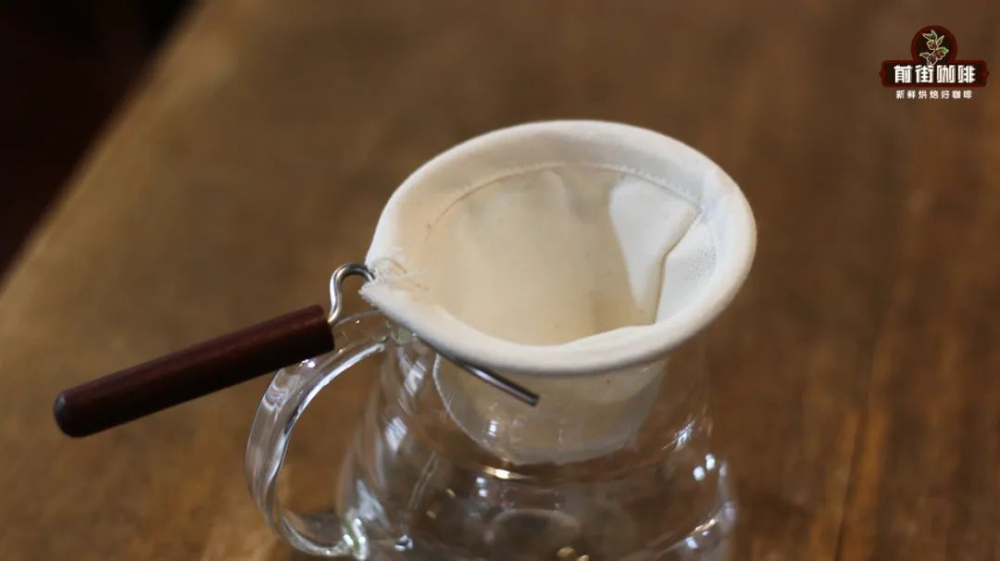
Specifically, light roast coffee typically features distinct notes of lemon acid, apple acid, or grape acid—these acids are the core of its fresh taste and aroma. But because flannel has a relatively loose fiber structure and low resistance to water flow, if factors such as water temperature, pouring speed, and grind size are not precisely controlled, it can easily lead to over-extraction or a dull flavor profile, transforming the intended bright acidity into something heavy, akin to black tea or concentrated fruit syrup, lacking clear layers.
Moreover, maintaining a flannel filter is also a major challenge. It needs to be rinsed immediately with clean water after use and thoroughly washed and dried within a short period; otherwise, it can easily develop odors or mold, which in turn affects the flavor purity of the next brew. In contrast, paper filters are single-use, not only ensuring hygienic control but also effectively avoiding residual flavor interference.
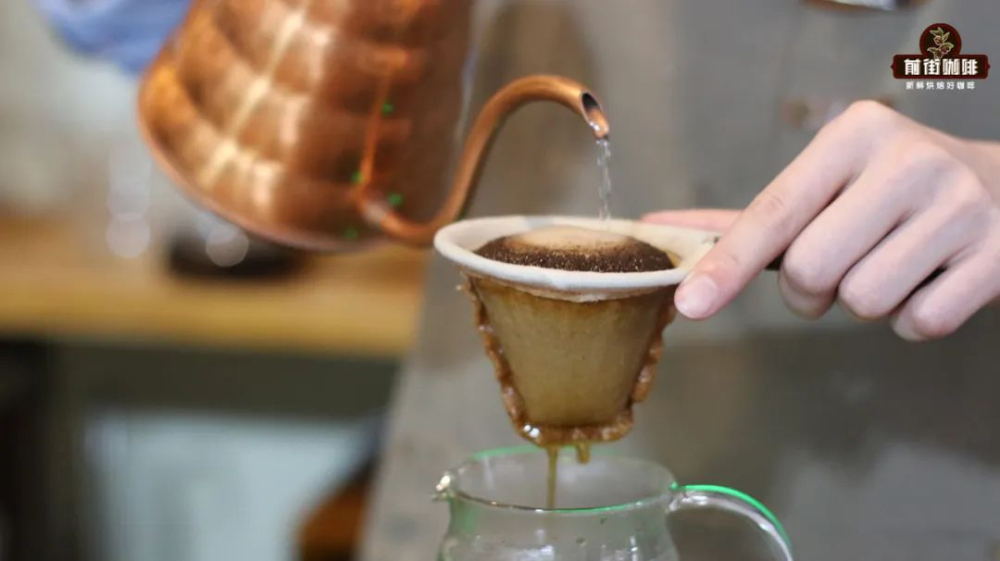
Overall, the advantage of flannel filter pour over lies in its ability to impart a rich, smooth, and naturally oily mouthfeel to coffee, particularly well-suited for medium to dark roast beans, highlighting sweetness and a full-bodied finish. However, for light roast enthusiasts who pursue bright acidity and refined flavor complexity, paper filter brewing often better accurately presents the intrinsic characteristics of the coffee. Understanding these differences can help you make a more suitable choice of brewing method based on bean traits, further enhancing your pour over coffee experience.
The above content is compiled by CoffeeHunters, a coffee news website.


