







Introduction:UCC Coffee once made a name for itself on e-commerce platforms with its "freshness-locking" technology and Japanese-made image, setting a bold goal of surpassing 1 billion yuan in offline sales within three years. However, recent issues with expired products and high-level management changes have created bottlenecks in this rising brand’s expansion journey. This article takes an in-depth look at UCC Coffee’s development trajectory, market strategy, and current challenges, while also providing valuable insights and references for coffee enthusiasts through real-world consumer scenarios.
In its early days, UCC Coffee quickly established a solid foothold in the online market by emphasizing its "freshness-locking" craftsmanship and Japanese manufacturing background, even setting an ambitious goal of achieving 1 billion yuan in offline revenue within three years. However, the brand has recently faced high-level management shake-ups, including the departure of its Chief Marketing Officer, along with multiple consumer reports of purchasing near-expired products—highlighting issues in inventory management and channel strategy amid rapid expansion. This article will guide you through UCC Coffee’s development history, brand strategy, and the current challenges it faces in the offline market, interspersed with practical information for coffee lovers’ reference.
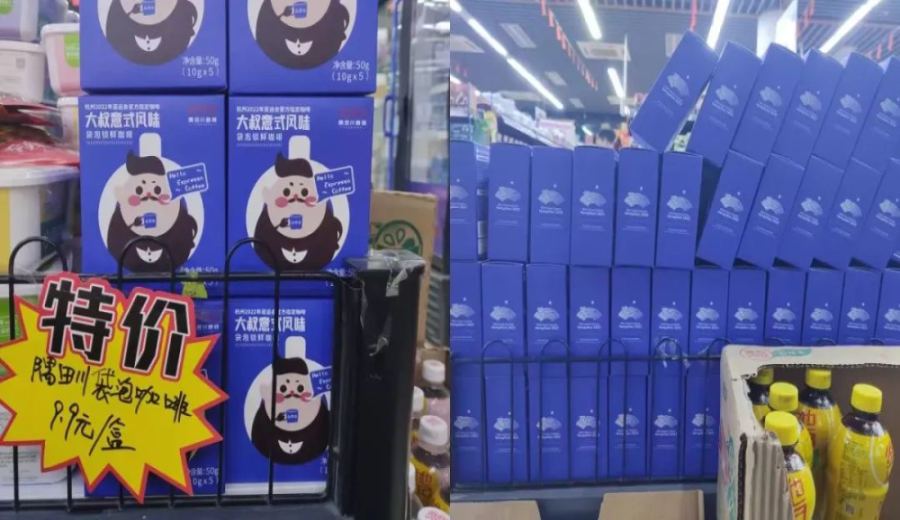
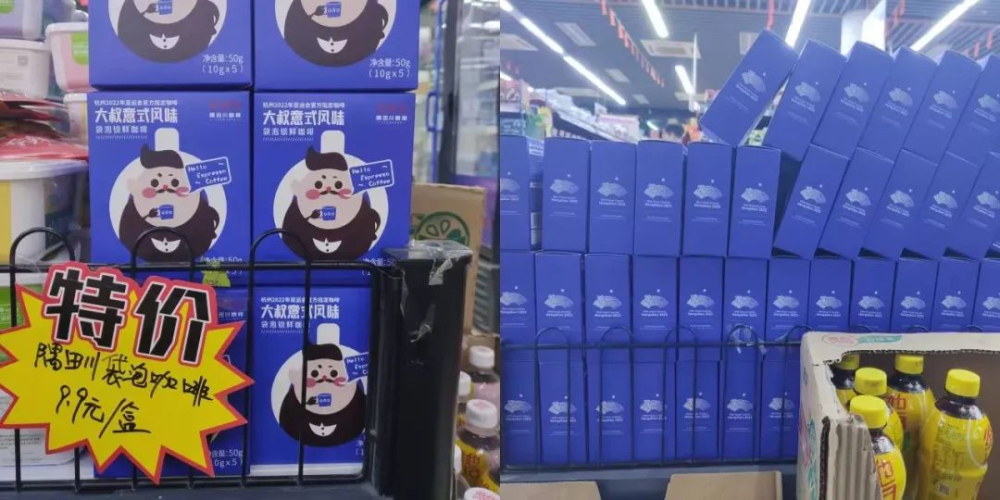
The brand’s founder, Lin Hao, mentioned during the 2023 offline sales mobilization meeting that UCC Coffee’s vision is to become the largest retail coffee brand in the Chinese market. He hoped to break through the 1 billion yuan mark in offline channel revenue within about three years. But reality hasn’t gone as smoothly as expected. According to retailers, in March of this year, UCC Coffee’s tea bag-style coffee was moved to the discount section in a supermarket in Xuancheng, Anhui, selling for just 9.9 yuan per box—with only about five months left before expiration. The supermarket manager also noted that UCC Coffee’s product sales had noticeably slowed over the past six months, and they do not plan to restock in the future.
Founded in 2015, UCC Coffee’s main products include drip bags and coffee liquid capsules. In its early stages, the brand focused its marketing on Japan’s "freshness-locking" technology, emphasizing production in collaboration with Japanese factories, paired with a Japanese-style brand name and packaging design—successfully leading many consumers to assume it was a Japanese brand. Leveraging this positioning, the brand performed exceptionally well on e-commerce platforms. By the end of 2020, it had claimed the top sales spot in both the drip bag and coffee liquid segments on Tmall, with a cumulative total of 300 million cups sold.
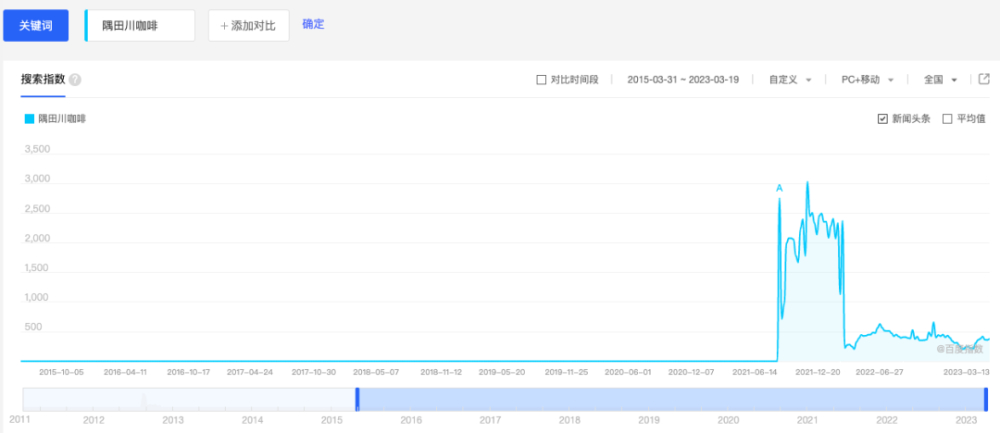
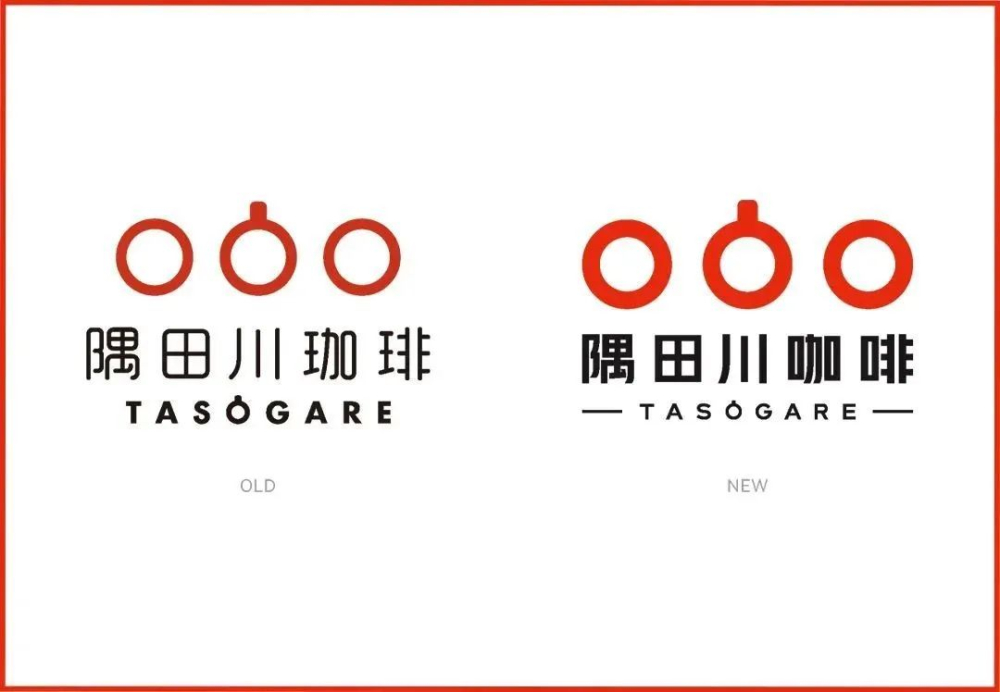
Although its 2020 sales performance was already quite strong, UCC Coffee truly shined in 2021. During that year, the online search popularity for "UCC Coffee" peaked in the second half of the year. To expand its brand influence, the company took a series of actions in 2021: completing a 300 million RMB Series B funding round in March, becoming the official coffee partner for the Hangzhou 2022 Asian Games in April, announcing celebrity actor Xiao Zhan as its global brand ambassador in June, unveiling the official launch of its domestically built drip bag coffee factory in August, and rolling out a new brand logo in October to signify an upgrade in brand image.
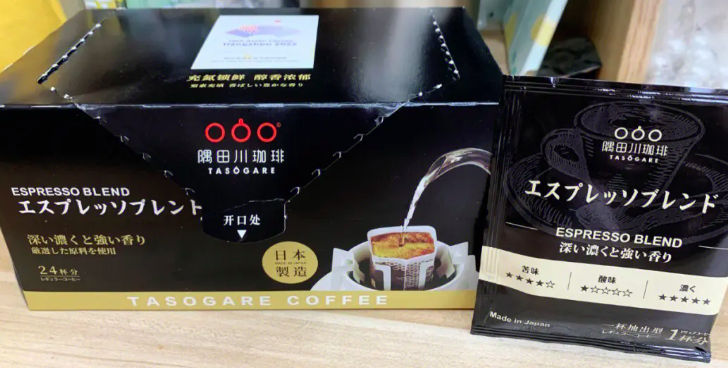
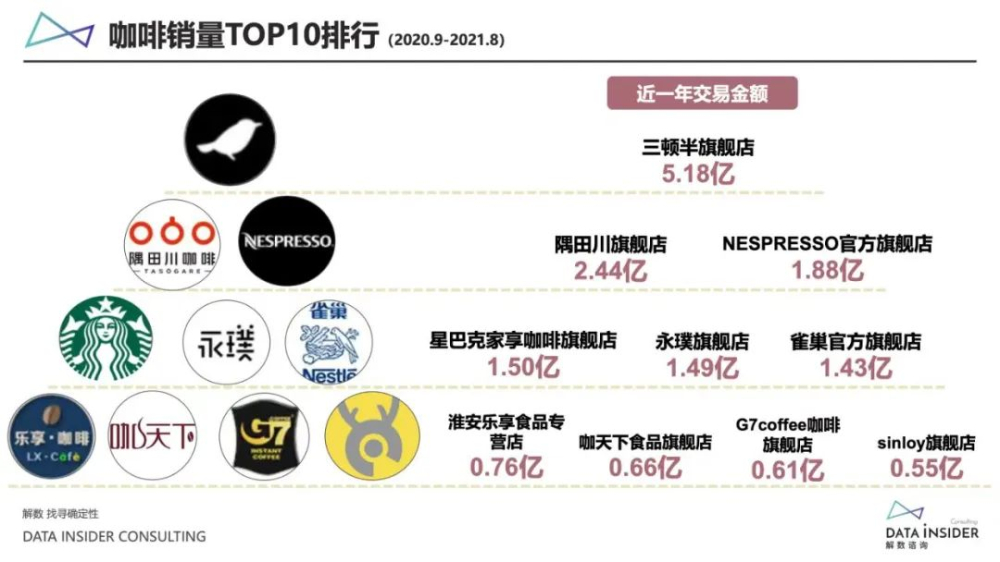
Among these moves, the partnership with the Asian Games and the collaboration with Xiao Zhan significantly boosted the brand’s visibility and prestige; meanwhile, building its own factory and refreshing its brand image signaled the brand’s intention to reduce reliance on its "Japanese brand" image. By the end of 2021, UCC Coffee had claimed the top sales position in all three major categories on Tmall—drip bags, coffee liquids, and coffee powder—cumulatively selling 600 million cups. According to data from market research firms, in the first eight months of 2021, its Tmall flagship store achieved sales of 244 million yuan, second only to the market leader.
However, in the first half of 2023, many consumers reported that the UCC Coffee products they purchased had already passed the halfway mark of their shelf life, suggesting a possible slowdown in product turnover. On the brand’s official flagship store, some near-expired items were indeed sold at discounted prices, with clear labeling. Other channels, such as live-streaming platforms, also actively managed inventory—for example, on Li Jiaqi’s livestream, the same specification of coffee liquid was priced at 19.5 yuan per set at regular price, but dropped to 13.9 yuan for near-expired versions. Nevertheless, some consumers found that even products bought at full price had remaining shelf lives not much different from those on promotion, raising concerns about inventory management.
The frequent appearance of near-expired goods reflects, to some extent, that UCC Coffee may currently be facing significant inventory pressure, or even a situation where sales speed can’t keep up with production pace. Beyond the online market, UCC Coffee has also been expanding into offline channels since 2020. However, in physical retail spaces, well-known brands like Nestlé still dominate, holding around 60% market share. On supermarket shelves, a single packet of Nestlé instant coffee sells for about 1 to 1.5 yuan, while UCC Coffee’s single packet is priced between 2 to 5 yuan—making it difficult to compete with rivals in either price or brand recognition.
Over the past few years, UCC Coffee maintained high growth rates of 200% to 300%, and its production planning was based on this growth rate. But by the end of 2022, although overall sales continued to rise, the growth rate had clearly slowed down, triggering a chain reaction of inventory backlog and sluggish sales across channels. How the brand can precisely manage inventory and optimize channel strategies while expanding will be key to its stable development in the future.
The above content is compiled by CoffeeHunters, a coffee news website.


