








Introduction:In the highly competitive coffee market, creative beverages have become a key tool for attracting customers. From classic fruit pairings to the more recent trend of unconventional combinations, how do these innovative products both generate buzz and win repeat customers? This article delves into the evolution of creative coffee, reveals the design logic behind successful products, and offers practical R&D direction suggestions to help coffee professionals create popular hits that balance creativity with quality.
The evolution of creative coffee reflects changes in consumer markets both in Taiwan and abroad. In the early days, such drinks mainly referred to flavored coffees made with basic ingredients like milk and chocolate, focusing on enhancing taste and visual appeal. As consumer preferences diversified, creative forms gradually expanded to include fruit pairings and non-traditional milk alternatives, becoming an important means of brand differentiation.
Among these, the most representative combination is undoubtedly “fruit + coffee.” By carefully selecting seasonal fruits and pairing them with appropriate juices, these drinks not only offer distinct layers of flavor but also their refreshing taste lowers the barrier to entry for coffee, successfully attracting consumers who were previously sensitive to caffeine. Such products often feature high visual appeal, becoming spontaneous social media sharing highlights.

Since around 2020, the domestic coffee market has witnessed an explosion of creative beverages. Many brands have effectively built consumer awareness through systematic creative product lines. The key lies in these products simultaneously offering fun, innovative elements, and social sharing potential—three factors that combine to form strong brand memory points.
However, as conventional creative methods have become increasingly common, relying solely on combinations of dairy, fruit, or herbal tea has become less distinctive. To continue capturing attention, some brands have turned to an extremely differentiated “quirky” route, leading to a clear market polarization.
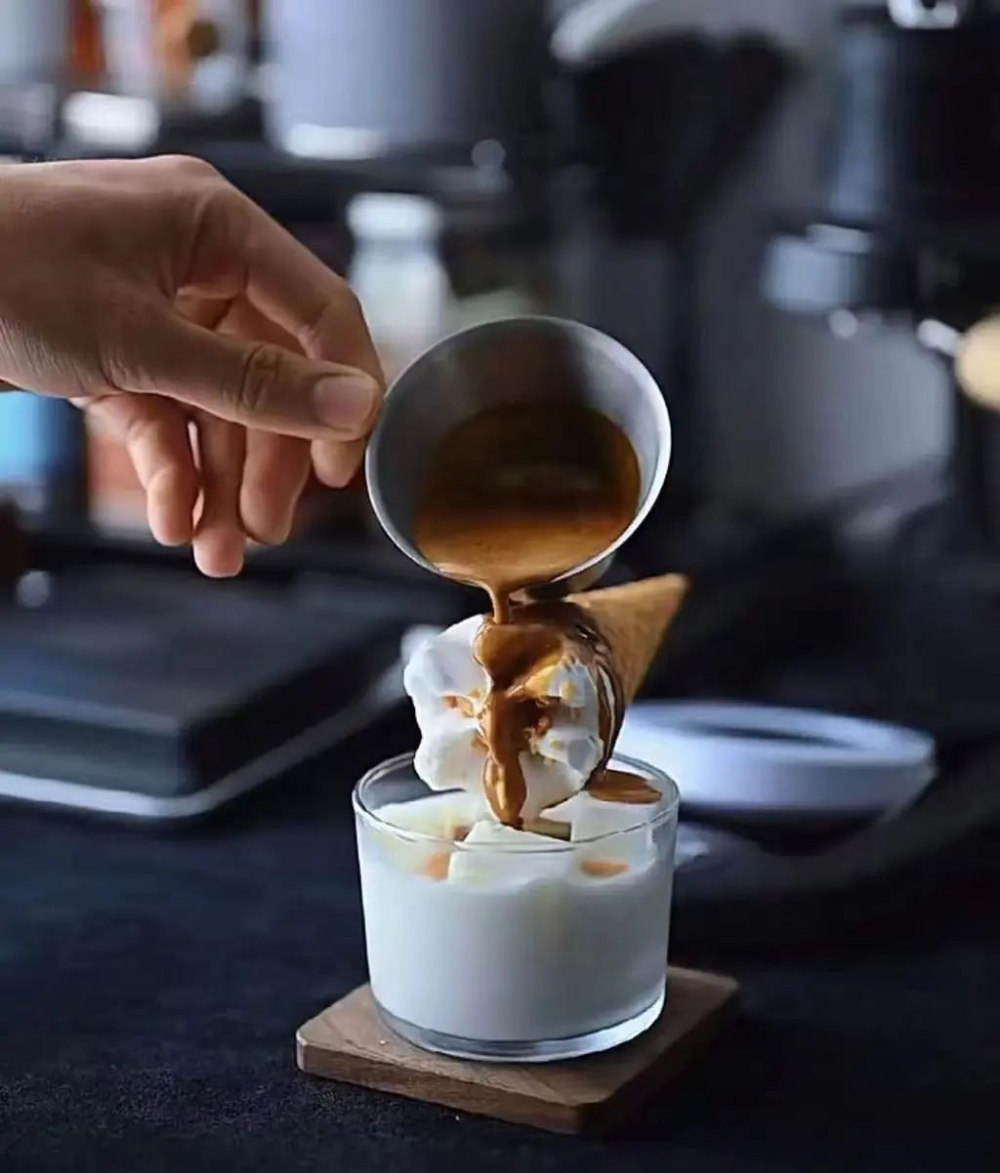
Recently, the market has seen unconventional combinations that are truly jaw-dropping. From salted duck coffee and tofu pudding lattes to ageratum-corrective iced Americanos, these products often sacrifice the basic attributes of a beverage in pursuit of mere shock value. While they may create a stir in the short term, there are clear long-term risks.
Consumer feedback shows that current acceptance of creative coffee is polarized. The main pain points center around: excessively high prices with little substantive content, or creativity that strays too far from the essence of a beverage. Notably, truly successful creative products often evoke emotional resonance rather than relying solely on sensory stimulation.
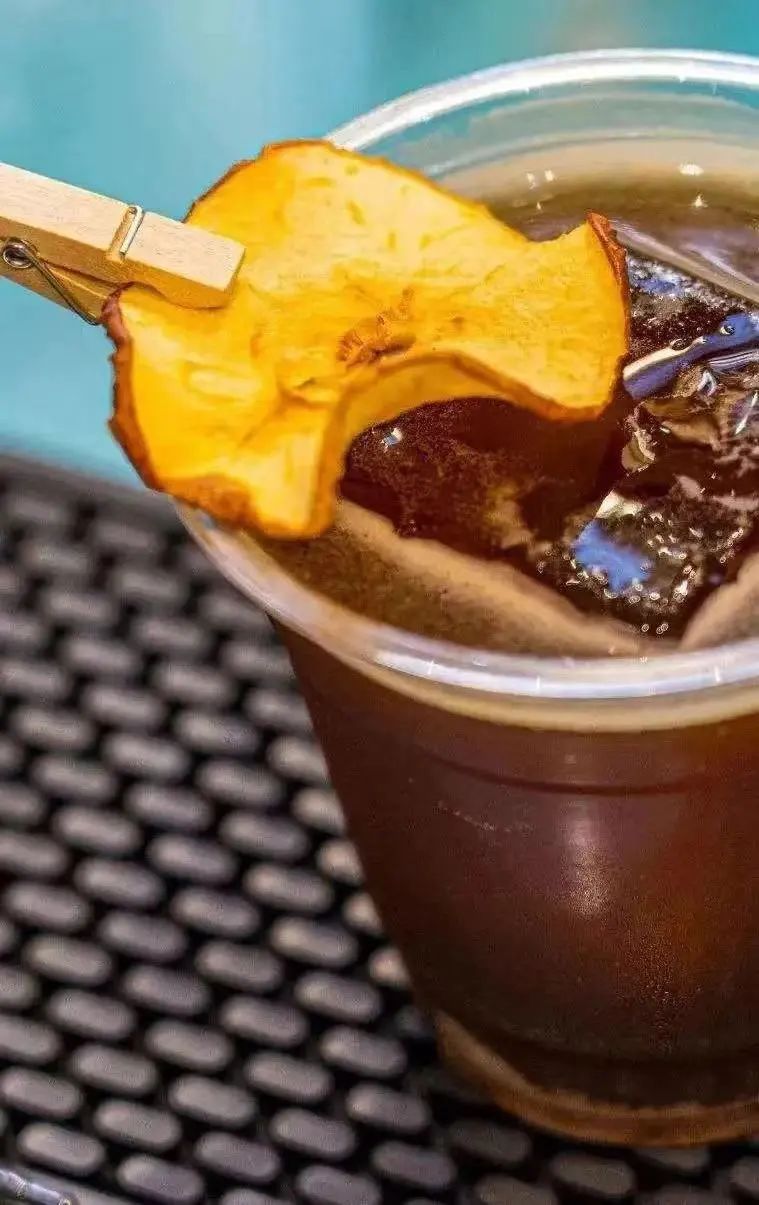
Analyzing high-repeat-purchase creative coffee cases reveals several key elements: first is visual appeal, enhanced by layered color schemes and creative plating to improve first impressions; second is flavor balance, maintaining overall harmony even when using special ingredients; and finally, interactive experience, such as modular designs that allow customers to choose their own ingredients.
In practice, when developing new products, it is recommended to follow these steps: first determine the target customer group’s preferences, then select 2–3 main thematic directions (such as seasonal limited editions, local elements, or cultural fusion), followed by small-scale testing and adjustments, and finally evaluate production feasibility and cost structure. Special care should be taken to avoid forcibly combining incompatible flavors just for the sake of differentiation.

In summary, the success of creative coffee does not lie in the number of gimmicks, but in whether it can provide substantial value while attracting attention. From a long-term business perspective, it is recommended that brands establish a product matrix of “core products + seasonal creativity,” which can maintain a stable customer base while keeping things fresh with regularly updated creative items. In the end, what will endure are those classic products that strike the right balance between innovation and quality.
The above content is compiled by CoffeeHunters, a coffee news website.


