







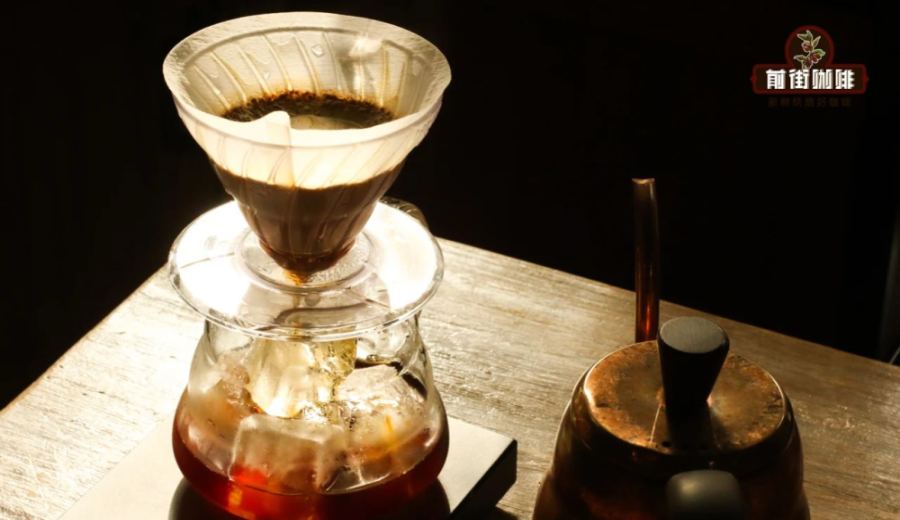
Introduction:Many coffee enthusiasts have found that even when using the same coffee beans, the flavor of drip bags often falls short compared to pour over. In fact, this is closely related to the differences in brewing methods between the two. This article will delve into the reasons why drip bag coffee tends to taste lighter, compare it with pour over, introduce the characteristics of Arabica coffee beans suitable for making drip bags, and provide practical step-by-step pouring techniques so you can easily brew a well-balanced cup of drip bag coffee at home.
Although both drip bags and pour over belong to the category of filter brewing and share many similarities in principle, the actual brewing results often show significant differences. Even when using the same coffee beans, pour over can often showcase richer layers and flavors, while drip bags may appear relatively mild in taste. Judging drip bags by the standards of pour over would be overly harsh. In fact, the greatest advantage of drip bags lies in their convenience and speed. How to brew a satisfying cup of coffee under such conditions is a more worthwhile topic to explore.
To achieve better flavor in drip bag coffee, the first priority is to choose high-quality Arabica coffee beans. These beans generally exhibit higher acidity, sweetness, and aroma, making them an ideal base for drip bags. Currently, there are many single-origin Arabica beans from different regions on the market that are suitable for making drip bags, offering a diverse range of flavor profiles.
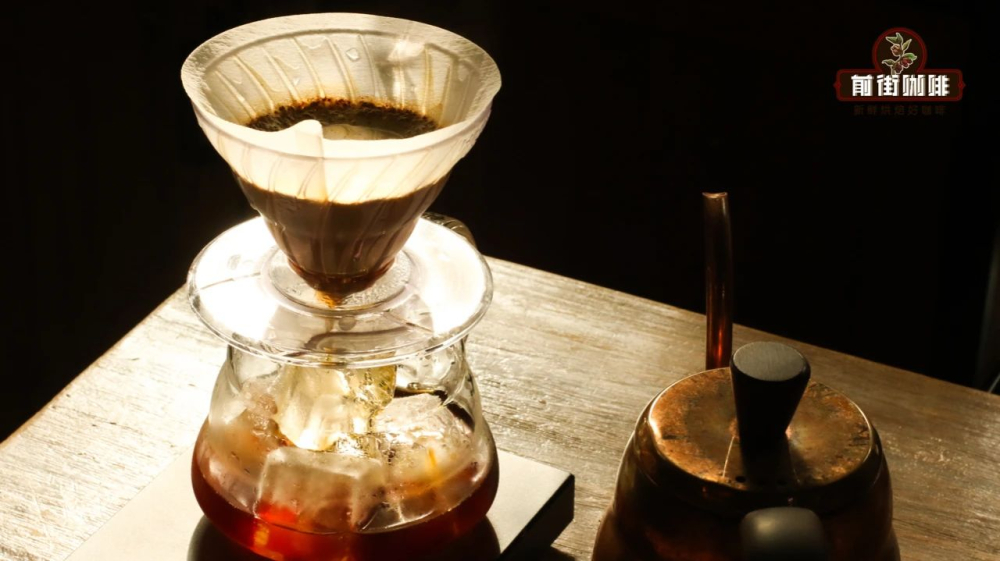
If you prefer a bright and refreshing floral or fruity acidity, you might consider choosing a drip bag blend with distinct fruity characteristics, such as those made from classic natural or washed processed beans. These coffees often carry light flavors like citrus, berries, or flowers, making them suitable for drinkers who enjoy a clean and refreshing taste. On the other hand, if you prefer a richer, more lingering coffee experience, you might prioritize premium Arabica beans with nutty or chocolatey profiles. These beans often come from Indonesia, Brazil, or specific high-altitude regions, offering a bold body and long-lasting aftertaste.
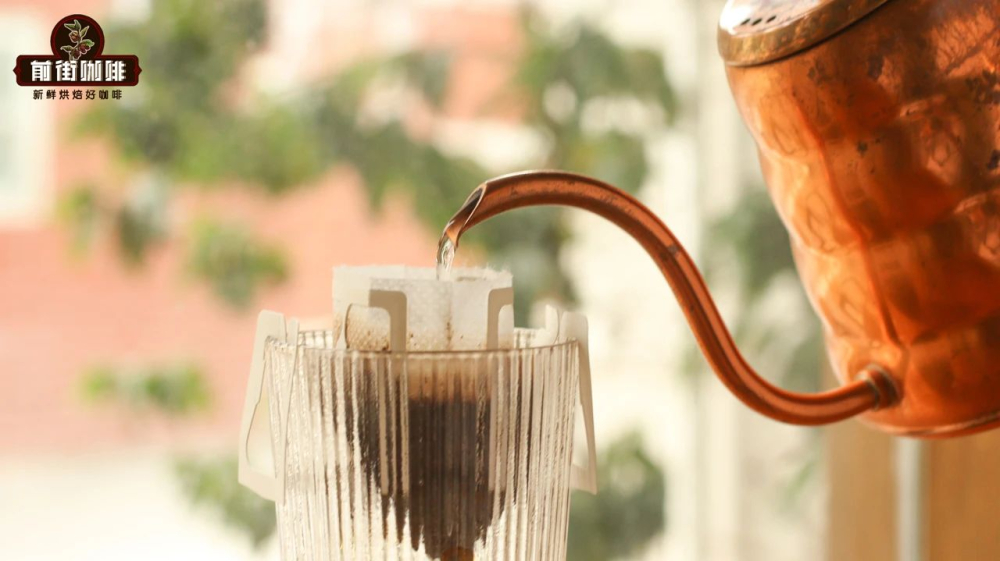
In addition to bean selection, the pouring method also greatly affects the final outcome of drip bag coffee. It is recommended to follow the practical steps below for step-by-step pouring, which helps improve the uniformity and layering of flavor extraction. First, pour water up to about half the height of the drip bag and let it bloom for approximately 20 seconds. This step helps activate the coffee grounds and release the aroma. Next,for the second pour, fill the drip bag directly to the full water level, then wait for the coffee to finish dripping through. After that,pour water to fill it up again, and once the dripping is complete,fill it up once more for the fourth pour, and allow all the coffee to fully drip through before removing the drip bag. The total water volume should be controlled within150 to 160 milliliters. This brewing volume and rhythm help achieve a more balanced and smooth coffee flavor.

By understanding the fundamental differences between drip bags and pour over, selecting the right coffee beans, and mastering the appropriate pouring technique, you can easily enjoy a flavorful cup of drip bag coffee even in the midst of a busy daily life. There’s no need to overly pursue the same performance as pour over; instead, adjust your expectations based on the tool’s characteristics and find your own ideal brewing method.
The above content is compiled by CoffeeHunters, a coffee news website.


