







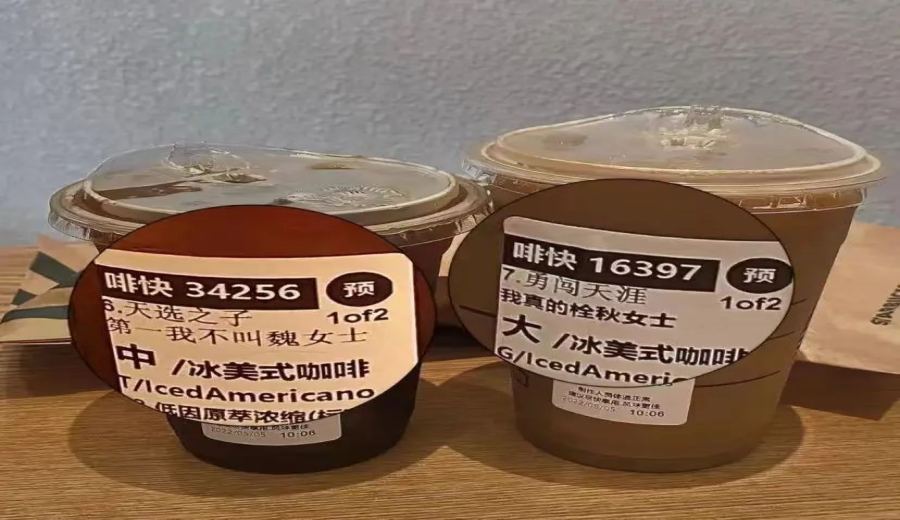
Introduction:When Starbucks launched the "Pickup" service with a customizable name field, netizens began unleashing their creativity, using homophonic wordplay to turn surnames into something fun—sparking a wave of social media trends. Especially in the Guangdong region, Cantonese homophone jokes took this trend to new heights, not only drawing smiles but also showcasing the playful interplay between language and culture. This article dives deep into the origins, development, and popularity of this homophone meme wave, and shows how Cantonese speakers use surname creativity to brighten up everyday coffee moments.
Since introducing the “Pickup” customizable ordering service two years ago, Starbucks has allowed customers to freely enter custom content in the name field. What seemed like a simple feature unexpectedly ignited a creative spark among netizens. Many began entering all kinds of homophone wordplays, especially creative surname adaptations, which quickly sparked imitation trends on social platforms, with related topics even briefly topping Weibo’s trending searches.
Far from fading over time, this homophone trend reignited several months later in Guangdong, where local netizens used the unique sounds of Cantonese to transform ordinary names into amusing, locally-flavored phrases—making each order feel like participating in a joyful word game.
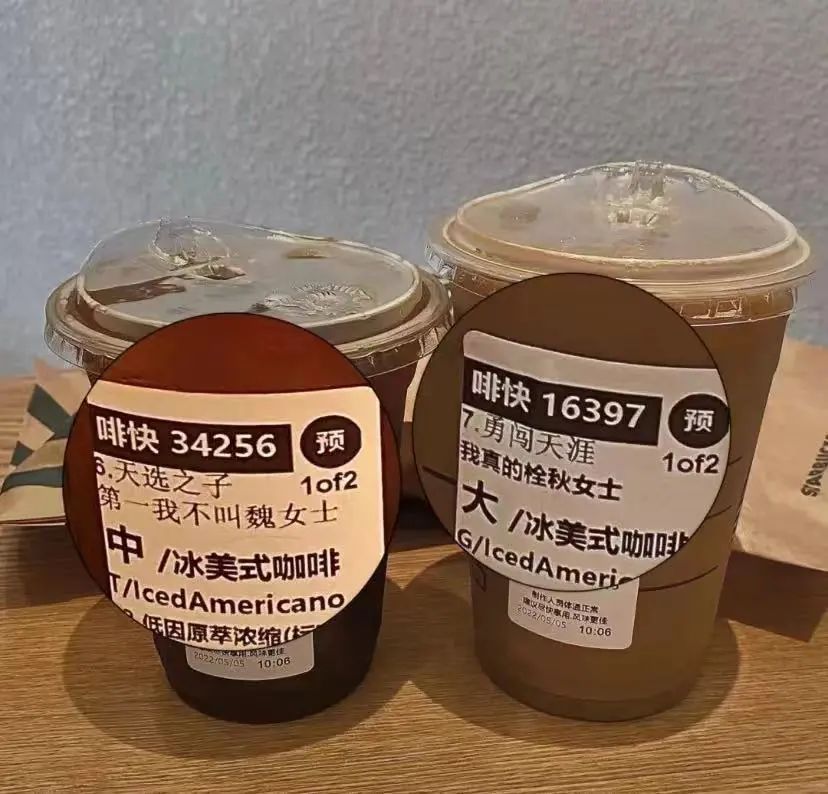
For example, “兜巴星死李” (a slap to knock you out), “老左冇牙趙” (old and toothless when eating), “溝仔唔緊張女士” (not nervous about meeting guys), and others—these names are not only relatable but carry a strong local sense of humor. Then there are also creative names full of hope and blessings like “好運陸續有黎” (good luck keeps coming), “打麻雀贏到歐” (winning big at mahjong), “買車又買劉” (buying a car and a flat), and “一定發達唔洗陳” (you’ll definitely prosper, no worries)—showcasing the boundless imagination of netizens.
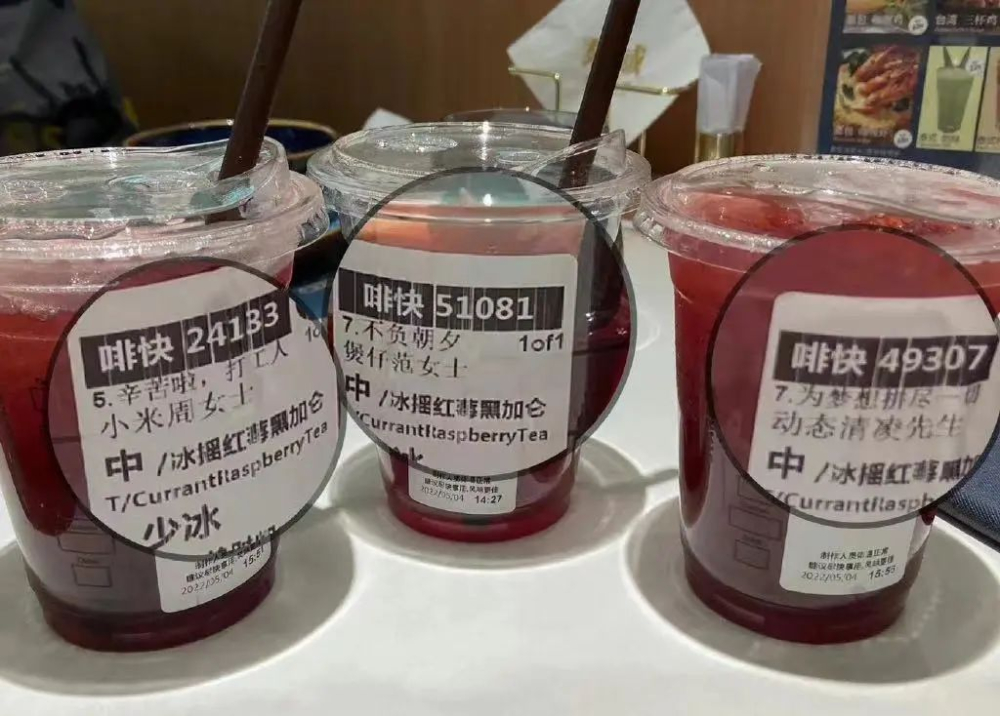
Notably, these homophone memes became so popular not just because of the inherent fun in the language, but also because they have a relatively low barrier to creation. With just slight phonetic tweaks to existing words, they create something both familiar and fresh, easily resonating with the public. In addition, since Starbucks staff usually notify customers to pick up their orders via system-generated pickup numbers or codes, rather than calling out names directly, these humorous names don’t cause too much embarrassment on-site, keeping the interaction lighthearted.
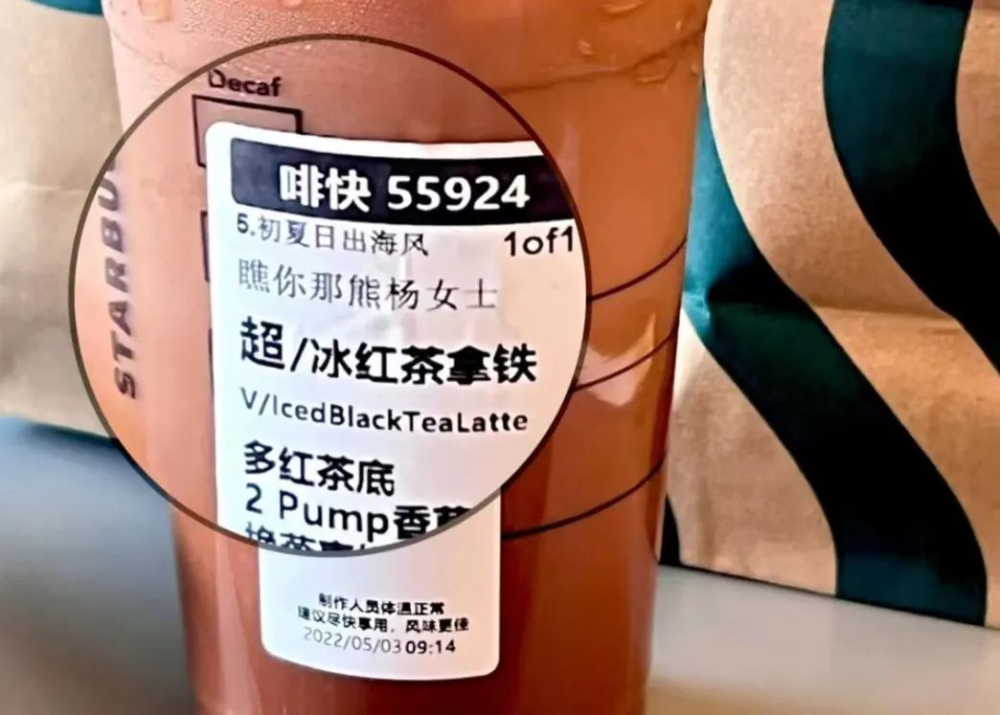
From a marketing perspective, Starbucks essentially gained a wealth of user-generated creative content at “zero cost.” Not only did this help the brand connect more closely with younger audiences, but through the participation of netizens, it also made the brand image more approachable and fun. This kind of bottom-up content creation has become an essential part of modern brand management.
In short, Starbucks’ homophone memes are not just a language game but also a cultural phenomenon, demonstrating how users in the internet age can add endless fun to daily life through simple creativity. And what kind of fun name would you give yourself?
The above content is compiled by CoffeeHunters, a coffee news website.


