







Introduction:From traditional natural (sun-dried) and washed processes to modern anaerobic fermentation and honey processing, the evolution of coffee processing methods is not just a technological innovation but also a reflection of dual drivers: adaptation to local environmental conditions and the demand for diverse flavor profiles in the market. This article delves into the origins, differences, and impacts of various processing techniques, helping you understand the logic behind their names and grasp how different methods actually influence coffee flavors—enhancing your bean selection and tasting expertise.
Walk into any specialty coffee shop, and you’ll find an increasingly rich variety of processing method names on the bean menu: anaerobic natural, low-temperature slow anaerobic washed, black honey, red honey, and even special methods involving enzymes, which can be overwhelming. Behind these seemingly flashy names lie two clear evolutionary paths: early processing methods were often developed to address environmental challenges at origin, while modern innovations aim to explore and enhance the unique flavors of coffee.
Take the classic washed process as an example. Its creation was not driven by the pursuit of any particular flavor, but rather by practical considerations. In regions like Indonesia, where high humidity and frequent rainfall make it extremely difficult to fully dry coffee cherries using the traditional natural method—not only taking three to four weeks but also risking mold and spoilage—the Dutch colonists introduced the washed process. By removing the pulp and mucilage, it significantly reduced the risk of fermentation and spoilage while shortening the drying time to about two weeks. Later, Indonesia further developed the wet-hulling method to continuously optimize drying efficiency.
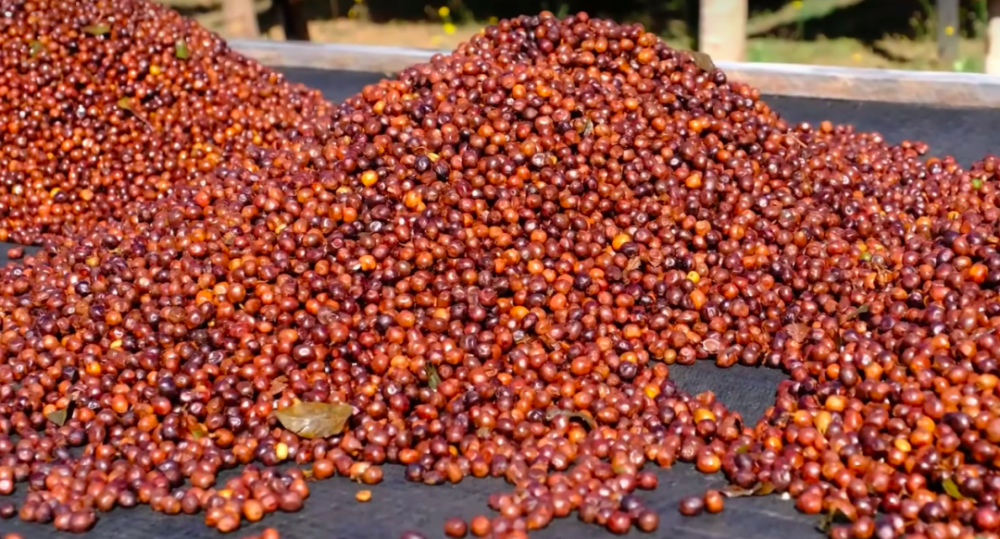
Similar examples of localized adaptation include Brazil’s semi-washed (pulped natural) process and the honey processing popular in Central America. What these methods have in common is that they were gradually adjusted based on local climate conditions, fine-tuning the fermentation and drying processes to eventually form regionally distinctive approaches. These differences are directly reflected in the final flavor profiles of the coffee. For instance, natural processed coffee, where the entire cherry (including skin, pulp, and mucilage) participates in fermentation, often exhibits richer sweetness and more complex layers. In contrast, washed coffee, with the mucilage removed early on, relies more on the beans’ inherent characteristics, resulting in flavors that are typically cleaner and brighter.
As the specialty coffee market has matured, consumer demand for flavor diversity and traceability information has continued to grow, shifting the focus of processing methods from “adapting to the environment” to “exploring flavors.” Many farms in Central America began experimenting with adjusting the mucilage retention ratio in honey processing, leading to subcategories such as black honey (maximum mucilage retention), red honey (medium retention), and yellow honey (minimal retention). Each method significantly influences the final sweetness, acidity, and body of the coffee.
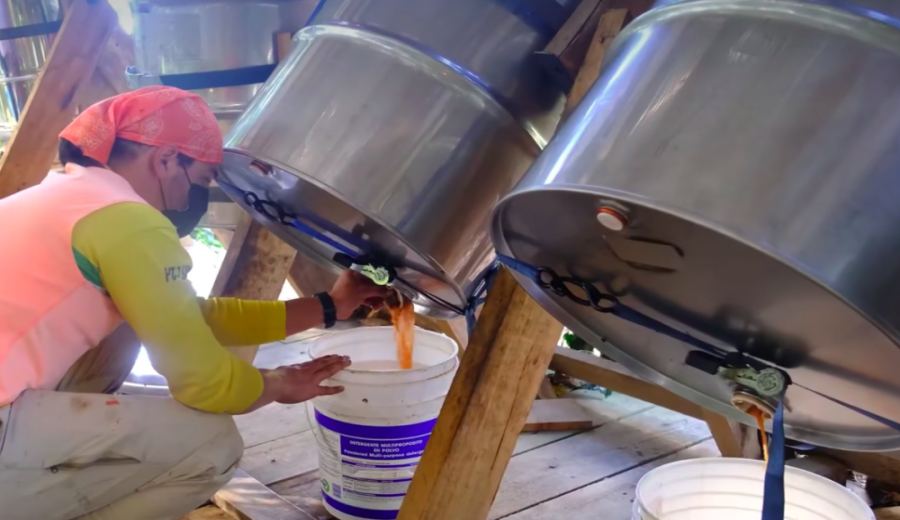
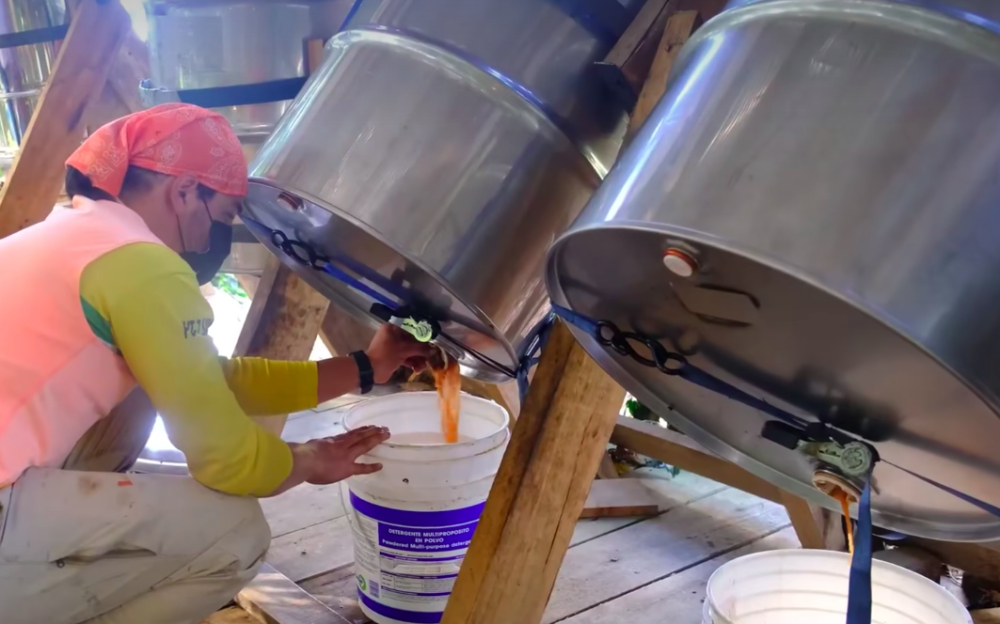
The application of anaerobic fermentation technology is one of the most notable innovative directions in recent years. This method involves controlling the oxygen environment within a sealed container to alter the fermentation pathway of the coffee beans, thereby bringing out unique flavor characteristics. A common example is anaerobic natural, where coffee cherries are first placed in a sealed environment for anaerobic fermentation, followed by subsequent sun drying. However, anaerobic processing involves numerous variables, including fermentation time (e.g., 72-hour or 144-hour anaerobic natural), temperature control, pH adjustment, and microbial management. There is almost no unified standard, relying entirely on the estate’s experimentation and accumulated experience.
Interestingly, to highlight the uniqueness of their processing methods, some farms incorporate specific parameters into the names—for example, emphasizing “low-temperature slow anaerobic washed” to underscore precise temperature control, or labeling “enzyme washed” to indicate the use of auxiliary agents like protease during fermentation. While these details may seem like marketing tactics, they actually reflect a trend toward more refined processing techniques.
Another noteworthy phenomenon is that even when labeled with the same processing method (e.g., “washed”), actual practices can vary significantly across regions. Take Ethiopia and Kenya, for example. While their conventional washed processes are broadly similar, they differ in fermentation time, washing steps, and soaking procedures. Some Kenyan processing stations even employ dry fermentation (washed) techniques, where initial fermentation occurs without water, followed by repeated washing and drying to adjust fermentation levels. These differences, though not easily discernible from the names alone, can markedly impact the coffee’s flavor expression.
In summary, the growing diversity of coffee processing methods is both a result of adapting to origin environments and a response to the market’s demand for flavor innovation and transparent sourcing. Understanding the evolutionary logic and technical details of these methods not only helps you select beans that better match your personal taste preferences but also allows you to more deeply appreciate the unique charm brought by different processing techniques during tasting.
The above content is compiled by CoffeeHunters, a coffee news website.


