







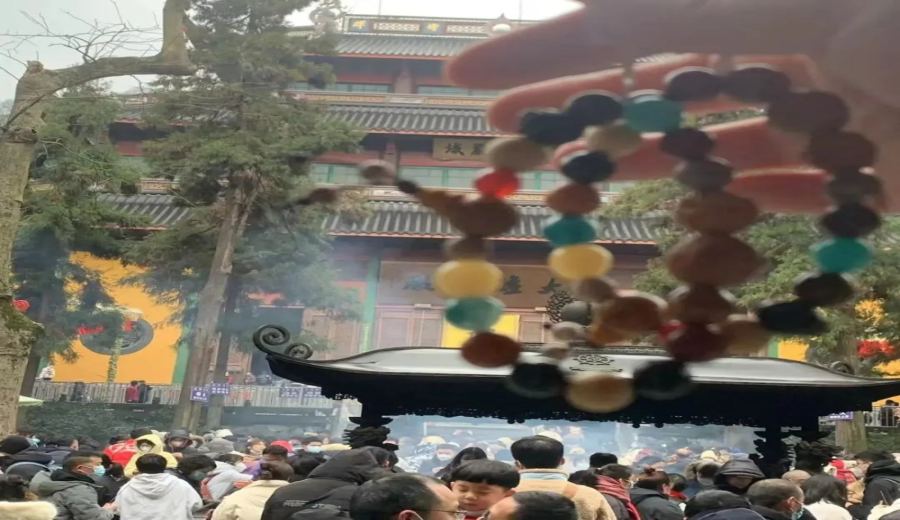
Introduction:In recent years, temples have become a new hotspot for young travelers seeking Instagram-worthy experiences. Beyond praying for blessings, a cup of zen-inspired coffee has also sparked heated discussions on social media. From Ci Bei Coffee to various temple-branded specialty brews, this cross-industry combination not only creates a fresh consumption scenario but also reflects contemporary youth’s desire for spiritual solace. This article delves into how temple coffee attracts consumers through its cultural ambiance and emotional value, while also exploring key trends in scene innovation among coffee businesses in 2023.
In recent years, an increasing number of young people have chosen temples as travel destinations. Apart from praying for blessings, a cup of Zen-flavored coffee has become a popular topic on social media. Whether it's Ci Bei Coffee or the unique coffee offerings introduced by various temples, this cross-industry combination not only opens up brand-new consumption scenarios but also showcases the younger generation's craving for emotional release and psychological relief.
As the tourism market gradually recovers, many national 4A and 5A scenic area temples have launched youth-oriented merchandise, including cultural and creative products as well as blessed ritual items—especially beaded bracelets, rings, and car charms, which have gained immense popularity. In addition, some temples have further expanded into “cross-industry” dining, not only refining their vegetarian cuisine but also incorporating socially engaging coffee shops into their business portfolios.
Online, discussions about the efficacy of prayer and blessings are lively, and visiting temples for coffee has emerged as a new check-in activity. The proportion of young visitors at temples is rising rapidly. Although some media criticize them as unmotivated or overly “Buddhist,” in reality, such choices often stem from a need to alleviate stress and seek inner fulfillment.
Young people visiting temples share a mindset similar to that of past worshippers offering incense—seeking a form of spiritual reliance. This does not mean they’ve given up on striving, but rather that they gain positive psychological reinforcement through these ritualistic acts, thereby facing real-life challenges with greater resolve.
Coffee in temples, much like vegetarian meals, is not primarily about the beverage or food itself. For many who come to pray, enjoying temple food is not just an expression of devotion, but also a way to find inner peace and calm through the act of eating in a tranquil environment.
Similarly, drinking coffee within the temple setting carries a comparable significance.The combination of “temple + coffee”has sparked curiosity among young people due to its striking contrast. At the same time, many hope to further ease their anxiety and stress under the dual influence of the unique serenity found in temples and the effects of caffeine.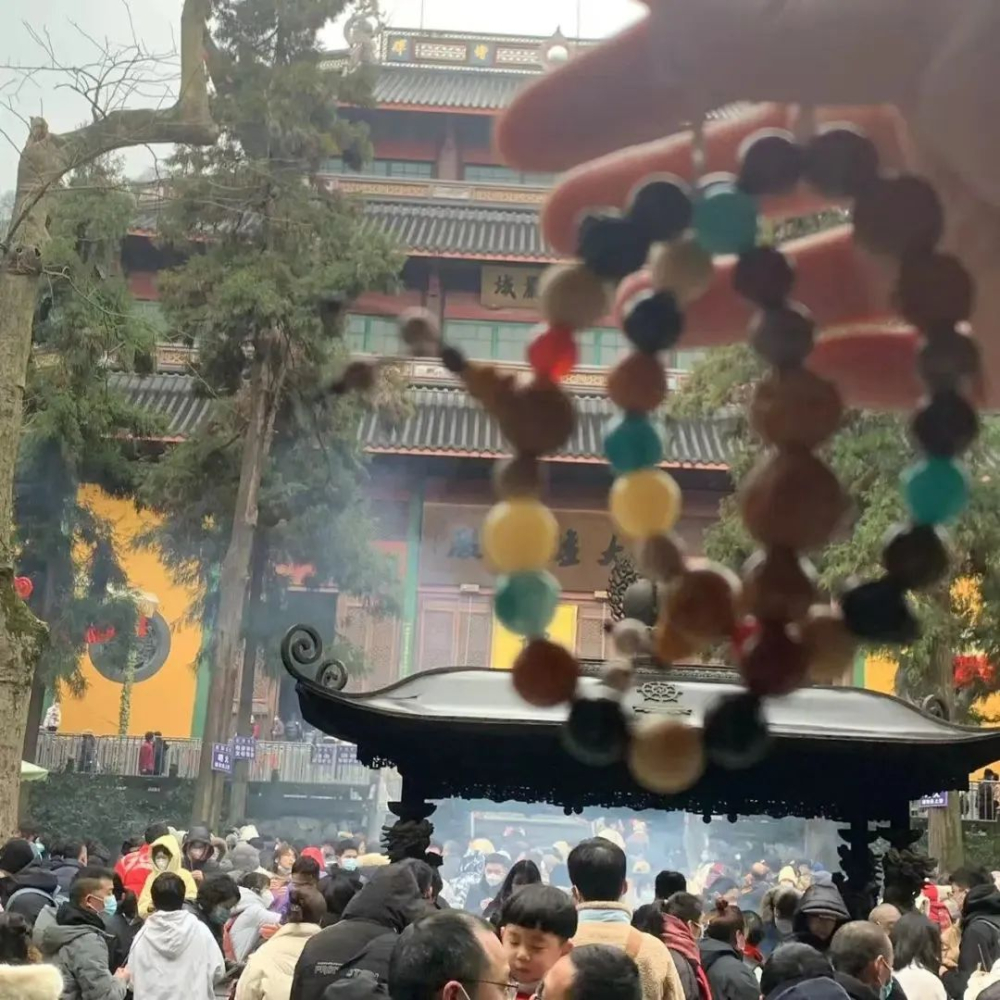
The viral success of temple coffee lies in its ability to capture and respond to the emotional value needs of contemporary society. From the inception of Ci Bei Coffee, to the introduction of many healing-themed coffee names on the menu, to the ever-evolving packaging designs, all demonstrate the brand’s deep attention to the emotional aspects of consumers.
Through continuous experience optimization and adjustments based on market feedback, temple coffee has gradually established a unique consumption culture and brand identity, successfully carving out a new path in the fiercely competitive coffee market. This culture not only satisfies consumers’ desire for novel experiences but also provides modern individuals with a much-needed space for mental respite.
Within temples, the chanting of monks, the devout prayers of worshippers, and the echoing sounds of bells are serene elements rarely experienced in urban life—ones that can instantly make one forget worldly worries. However, this unique atmosphere is difficult to replicate outside the temple environment, making temple coffee an excellent medium that blends religious culture with modern consumption habits.
In summary, young people choosing temples as places to relax and seek spiritual grounding are essentially adapting to the current pace of life. Although online opinions vary, temples expand diverse revenue streams to sustain operations, while the public seeks such special spaces for emotional anchoring—this interactive dynamic is, in fact, mutually beneficial.
The above content is compiled by CoffeeHunters, a coffee news website.


