







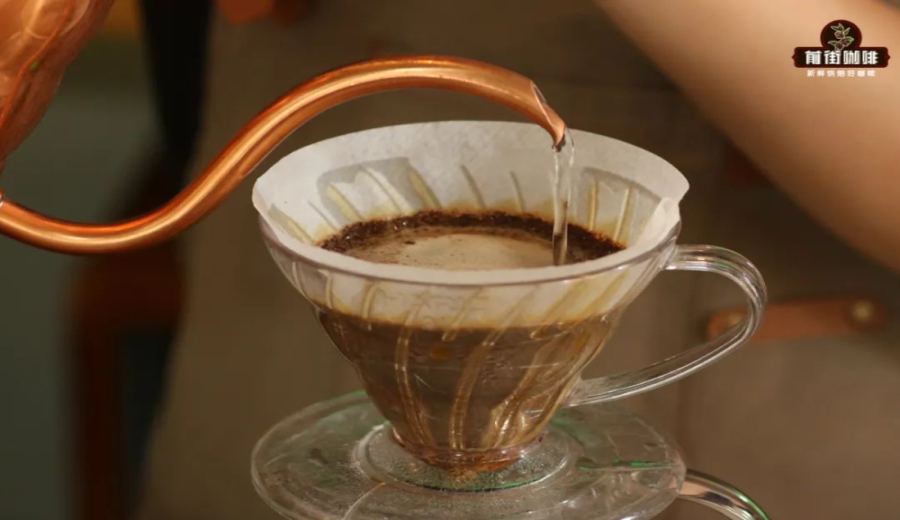
Introduction:The extraction time of pour over coffee is influenced by various factors, including pouring technique, coffee dosage, coffee-to-water ratio, and grind size. This article uses a 15g coffee dosage as a baseline to provide a detailed analysis of the reference extraction times for one-pour (一刀流) and three-pour (三刀流) methods, and explores how different variables actually affect extraction time. By mastering these techniques, you can more precisely adjust your pour over parameters to optimize coffee flavor.
The extraction time of pour over coffee is not fixed; it varies significantly with pouring technique, coffee dosage, coffee-to-water ratio, and grind fineness. Understanding the impact of these variables can help you better control the extraction process, thereby achieving the desired flavor profile.
Using a 15g coffee dosage as a baseline, extraction time varies noticeably depending on the pouring method. With the one-pour method, where water is poured all at once after the bloom, the extraction time is approximately 1 minute and 40 seconds. In contrast, the three-pour method, which involves pouring water in three stages after the bloom, typically results in an extraction time of around 2 minutes and 10 seconds. These times are for reference only, and actual practice may require fine-tuning based on specific conditions.
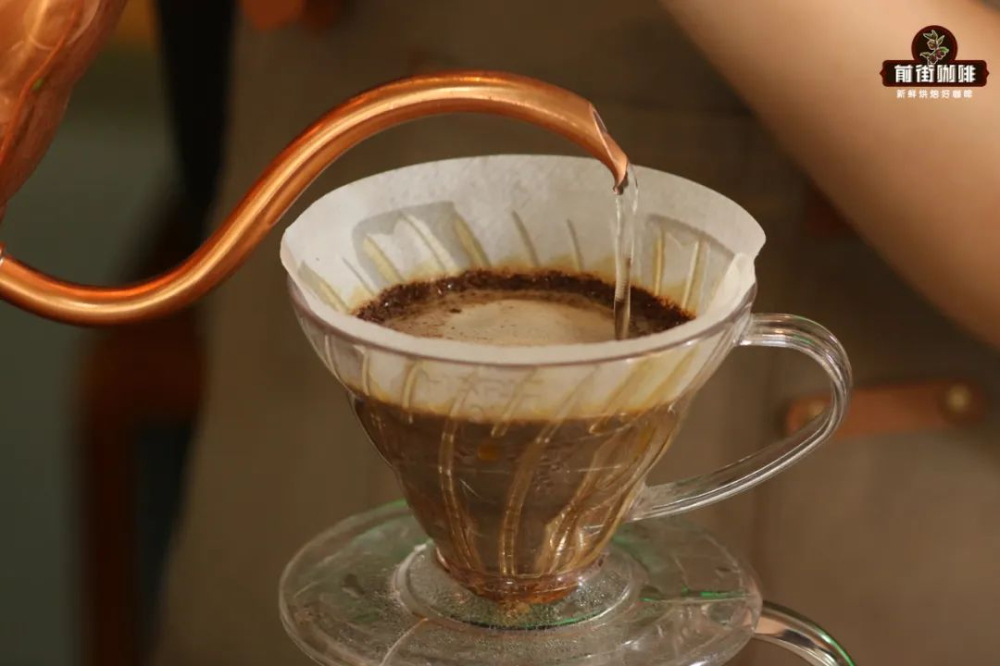
Extraction time is only meaningfully comparable when the same pouring method is used. For example, many coffee shops provide brewing recommendations. If you strictly follow the suggested parameters but find that your extraction time deviates significantly from the recommended value, the issue likely lies in the pouring step. A flow rate that is too high may lead to a shorter extraction time, while a flow rate that is too low may extend it. Therefore, deviations in extraction time can serve as a reference for adjusting pouring pressure.
Changes in coffee dosage also directly affect extraction time. When keeping the coffee-to-water ratio constant, increasing the coffee dosage means a higher total water volume, which naturally leads to a longer extraction time. For instance, using the three-pour method to brew 15g of coffee may take about 2 minutes, whereas brewing 20g of coffee with the same method may extend the extraction time to around 2 minutes and 30 seconds. This trend should be carefully noted when adjusting coffee dosage.
The coffee-to-water ratio is another key factor that directly determines the total water volume. For example, with 15g of coffee, using a 1:15 ratio (i.e., 225ml of water) with the three-pour method results in an extraction time of about 2 minutes. Switching to a 1:18 ratio (i.e., 270ml of water) with the same method may extend the extraction time to around 2 minutes and 30 seconds. Therefore, when adjusting the coffee-to-water ratio, the expected extraction time should also be adjusted accordingly.
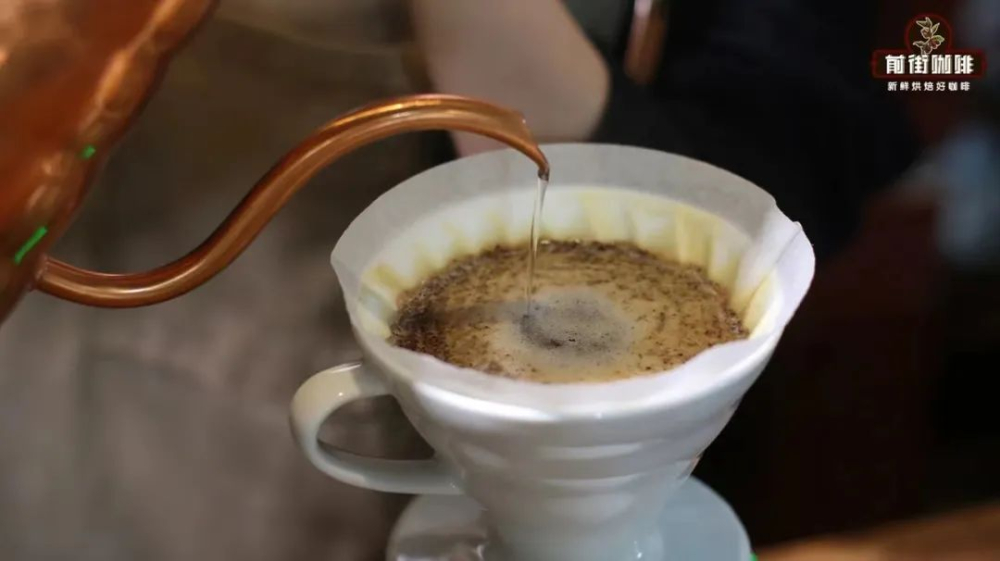
The impact of grind size on pour over extraction time is equally significant. Coffee grounds act as a barrier to water flow in the filter. Coarser grinds have larger gaps between particles, allowing water to pass through more quickly and resulting in a shorter extraction time. Conversely, finer grinds have narrower gaps, restricting water flow and extending extraction time. It’s important to note that the grind size for pour over coffee should not be too coarse or too fine, but many shops only offer vague descriptions such as “the size of coarse sugar.” In such cases, judging the appropriate grind fineness in conjunction with the shop’s recommended extraction time can help you more accurately determine the ideal grind size.
By comprehensively considering factors such as pouring technique, coffee dosage, coffee-to-water ratio, and grind size, you can systematically adjust your pour over parameters to ensure the extraction time falls within the ideal range, thereby enhancing the overall quality of the coffee.
The above content is compiled by CoffeeHunters, a coffee news website.


