







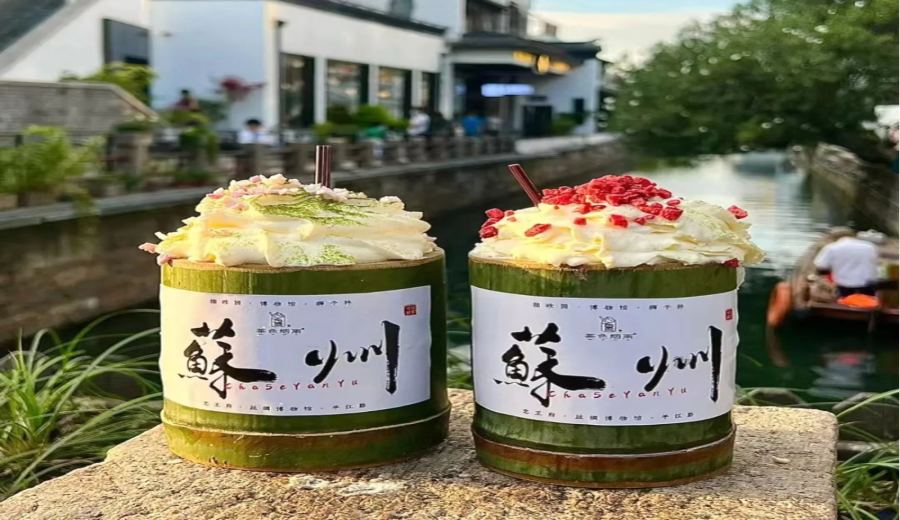
Introduction:Bamboo tube milk tea has become a viral drink due to its unique container and premium pricing, but recently consumers have raised concerns that bamboo tubes might be reused, sparking discussions about food safety. This article delves into the reasons behind the controversy surrounding bamboo tube milk tea, explores the potential risks of the bamboo material, and provides expert-recommended solutions such as inner liners to help readers understand how to ensure beverage hygiene and safety.
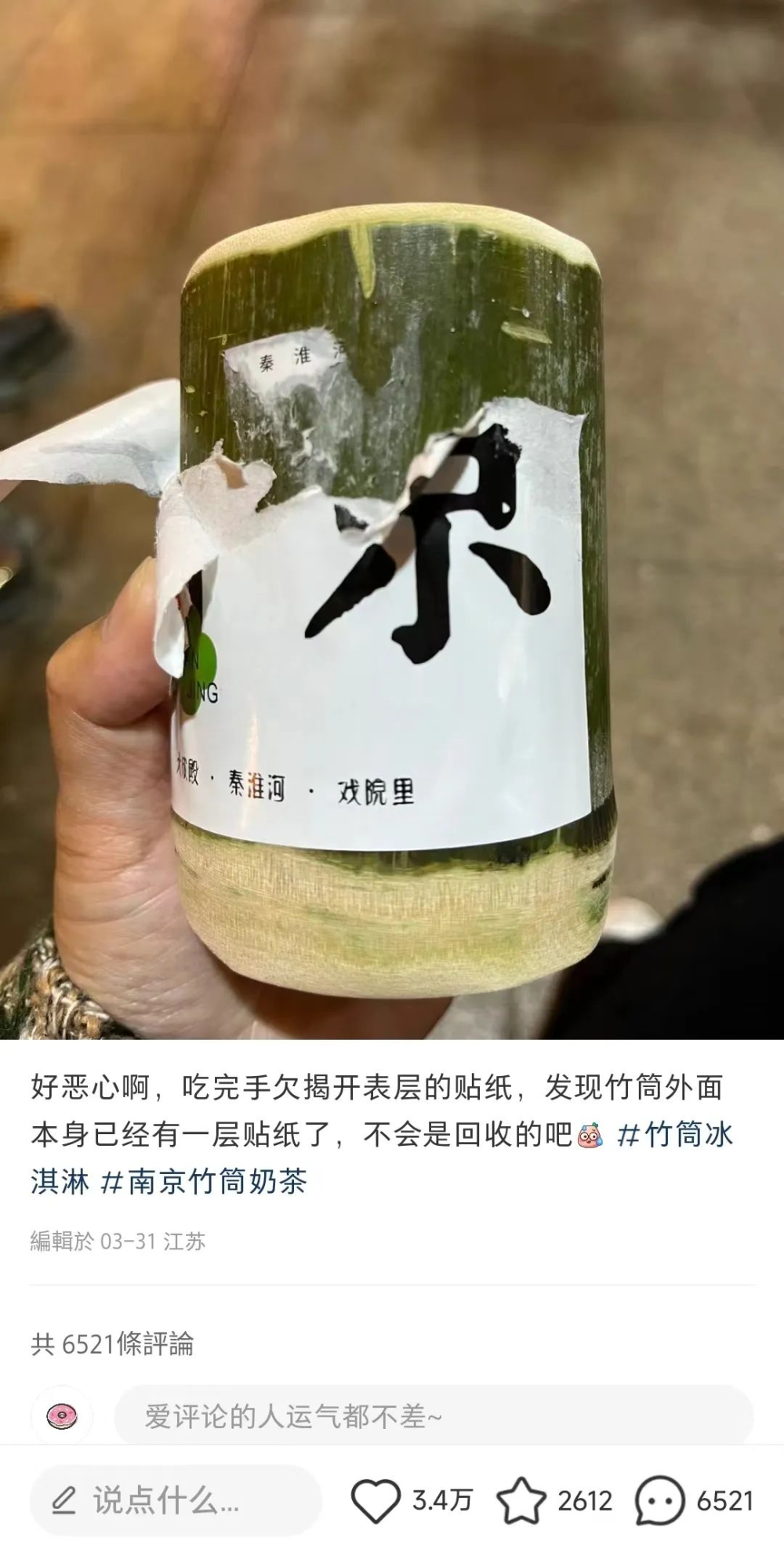
With its naturally rustic bamboo appearance, paired with a tea-based flavor and a cream topping, bamboo tube milk tea quickly rose to fame as a highly sought-after viral drink, with individual cups generally priced over 30 yuan. However, this innovative approach of replacing traditional plastic cups with bamboo tubes has recently been questioned after consumers noticed a second label hidden beneath the surface sticker on the bamboo tubes, leading to doubts about whether they were being reused.
In response to public scrutiny, the involved stores explained that the issue might have been caused by staff negligence in reapplying the labels, emphasizing that all bamboo tubes used are single-use and not recycled. The discussion continued to gain traction on social media platforms, drawing more attention to the hygiene and safety of using bamboo tubes as beverage containers.
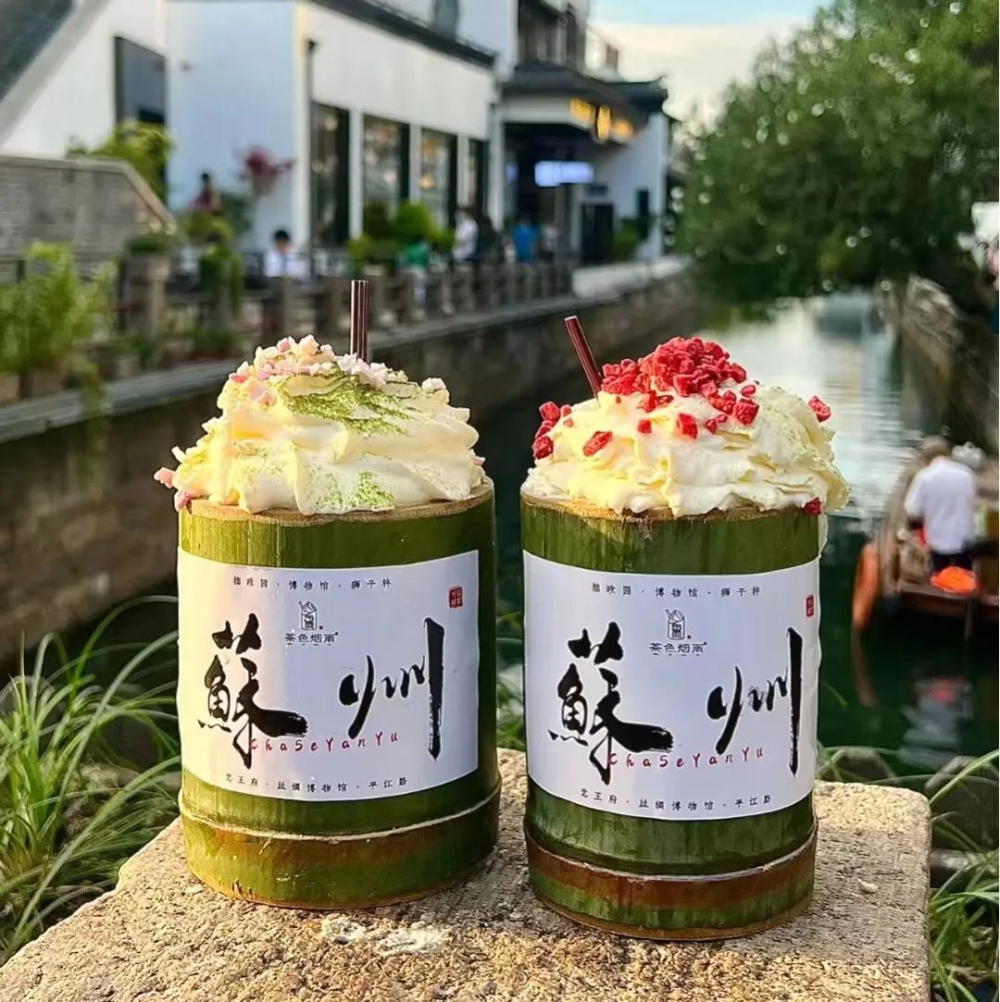
In fact, this is not the first time bamboo tube milk tea has been embroiled in recycling rumors. About two months ago, a video surfaced showing an “elderly woman in Suzhou washing bamboo tubes by the river,” prompting netizens to speculate whether these tubes were being reclaimed by shops. Some suspected the washed bamboo tubes might be resold to beverage outlets, while others believed the elderly woman might simply be taking them home for gardening purposes.
Regarding this incident, the involved store responded by stating that the company has a clear internal policy prohibiting the reuse of bamboo tubes, and emphasized that bamboo tubes are difficult to clean thoroughly and pose hygiene risks, hence there is absolutely no recycling practice. The bamboo tubes provided by the store are all for single use, and customers can choose to take them away, dispose of them, or keep them after drinking.
However, the bamboo material itself presents significant hygiene challenges. Since bamboo is naturally porous and highly absorbent, if not properly treated, it can easily develop mold and cracks—especially when in direct contact with beverages—which may lead to food safety risks. Experts point out that without high-temperature sterilization or special treatment, long-term storage or repeated use of bamboo tubes will substantially increase health hazards.
In light of the potential issues with bamboo tube milk tea, the Dongcheng District Market Supervision Bureau in Beijing, during a routine inspection, specifically advised relevant businesses to place an inner disposable cup inside the bamboo tube to prevent beverages from directly contacting the bamboo’s inner wall. This measure not only reduces risks associated with mold and cracks but also effectively improves overall hygiene standards of the beverage, ensuring consumer safety.
For consumers, when choosing bamboo tube milk tea, in addition to considering its appearance and flavor, it is even more important to pay attention to whether the shop has implemented appropriate hygiene measures. If the shop does not provide protective measures such as inner cups, it is advisable to carefully assess the drinking risks or opt for beverage containers made of safer materials to ensure peace of mind with every sip.
The above content is compiled by CoffeeHunters, a coffee news website.


