







Introduction:In recent years, an increasing number of post-90s and post-00s individuals have chosen to enjoy a cup of coffee in temples while offering incense, creating a new cultural phenomenon. This seemingly incongruous yet highly popular combination reflects what kind of social psychology and consumer demand? This article delves into the reasons why young people are drawn to the blend of temples and coffee, and explores its dual impact on religious spaces and the beverage market, helping readers understand the deeper significance of this trend.
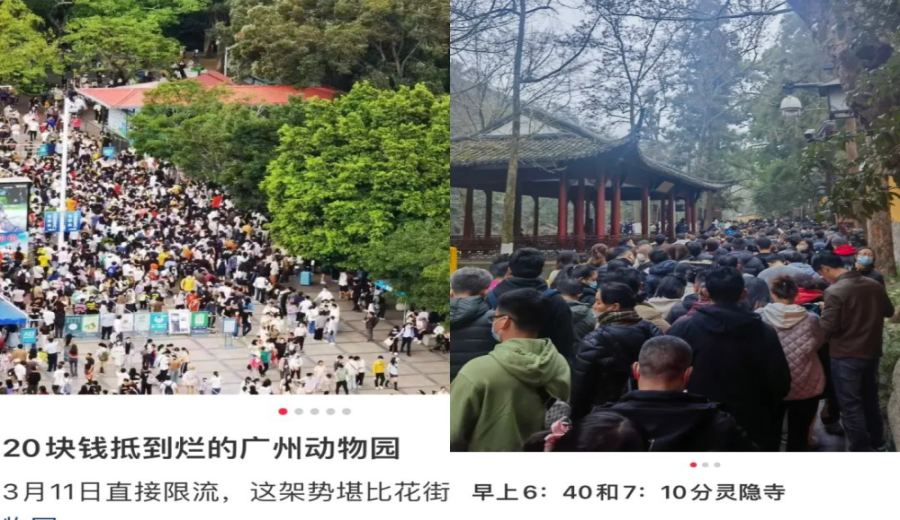
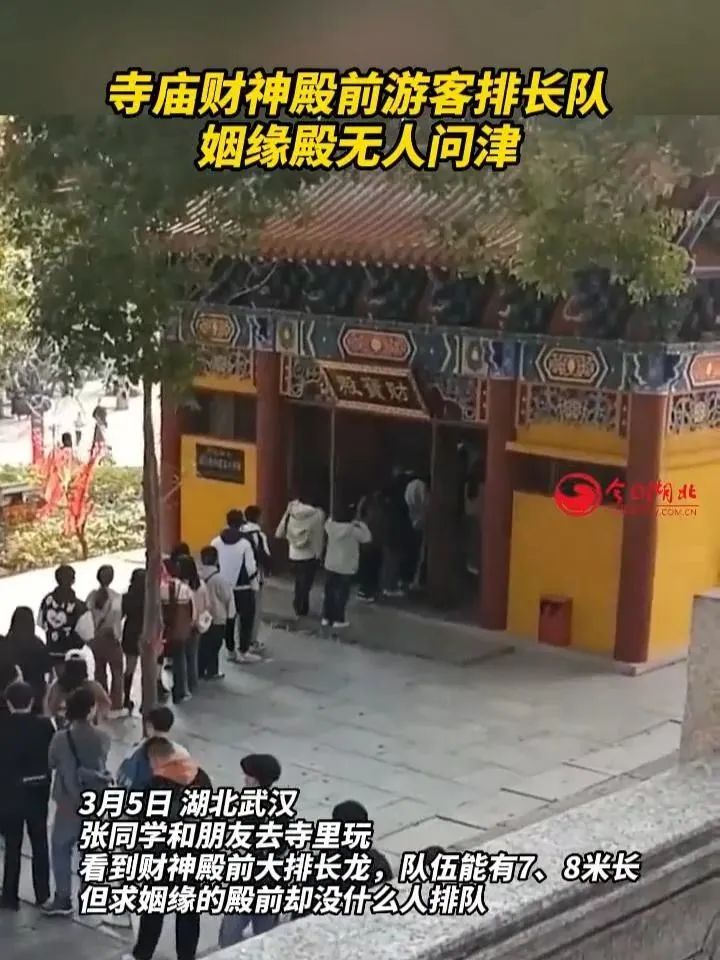
According to recent observations, the proportion of visitors aged 90s and 00s in temple scenic areas has approached fifty percent, especially in temples that enshrine the God of Wealth or feature coffee and light meal areas, which have become popular spots for these young people to check in. They may order a cup of coffee while praying, seeking a balance between spiritual solace and caffeine in the sounds of wooden fish and the aroma of coffee.
What exactly has turned what was once considered an activity for the “older generation”—worship and incense burning—into a new favorite among young people? Online discussions offer some insights: some say, “Between working and striving, I choose to pray,” while others jokingly admit, “I can’t rely on myself, so I have to rely on the gods.” These seemingly humorous remarks actually reveal the anxiety and confusion felt by the younger generation in the face of high-pressure lives, workplace competition, and future uncertainties.
When they enter temples, it’s not necessarily entirely to pray for fame or fortune; more often, they are seeking a space where their minds can settle.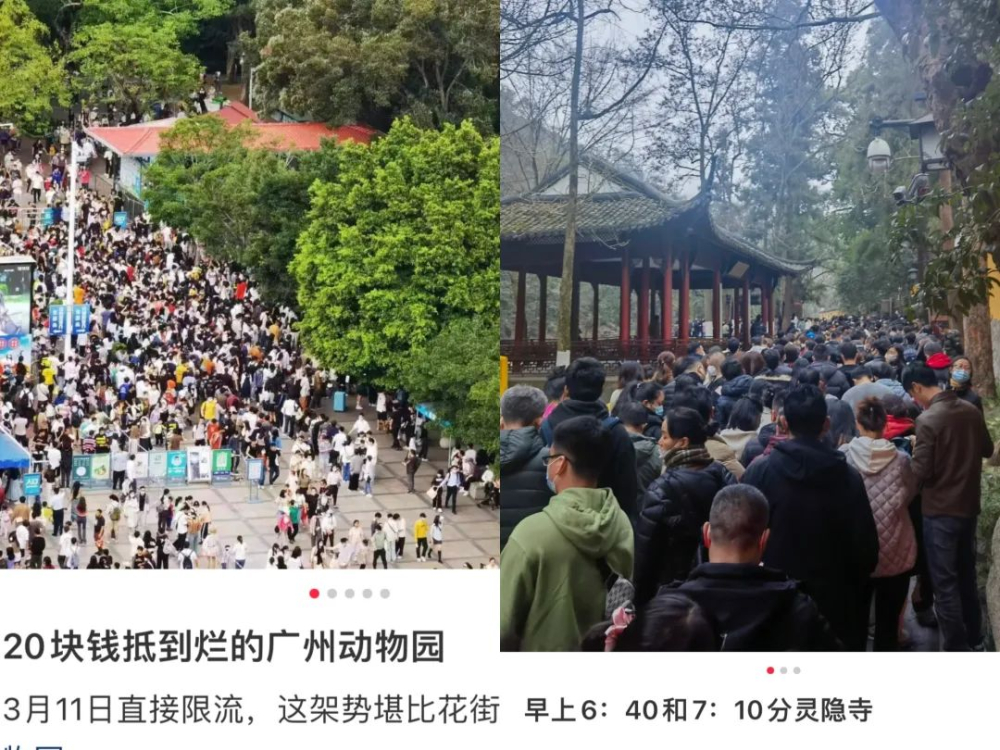 There, lighting a stick of incense, listening to the sound of a wooden fish, or sitting quietly under an ancient tree allows them to temporarily escape the hustle and bustle of the city, gaining a moment of peace and an opportunity for self-reflection. Through such ritualistic experiences, many young people are able to reorganize their emotions, find inner stability, and return to real life with a more positive mindset.
The rise of temple coffee is not just born out of curiosity or following trends—it is actually a manifestation of “dual healing.” Temples provide spiritual comfort and a sense of calm, while coffee, through the stimulating effects of caffeine, helps people quickly regain focus and face challenges anew. For many young people, this combination serves both as psychological solace and as practical energy replenishment.
Although some temple coffee offerings still show gaps in quality and service, this has not affected their popularity. The tranquil atmosphere of the temple and the modern feel of coffee create a strong contrast, yet they complement each other in a fascinating way: one side represents the sediment of history and faith, the other the rhythm and vitality of urban life. This cross-boundary combination allows people to enjoy a rich cup of coffee while paying respects to the Buddha, forming a unique “temple coffee culture.”
 In fact, traditional temple worshippers have mostly been middle-aged or elderly individuals, which over time may limit the operational vitality and future development of temples. Introducing coffee elements has not only successfully attracted younger demographics but also injected innovative energy into temples, creating new sources of revenue. For example, some temples have opened cafes with Zen-inspired names and products like “Difan” (meaning “to dispel vexation”), which are rich in meaning—not only aligning with the Chinese emphasis on symbolic significance but also resonating with modern young people’s pursuit of lifestyle aesthetics and emotional fulfillment.
From the perspective of the coffee industry, the unique spaces and cultural backgrounds offered by temples also provide brands with fresh settings for presentation. Compared to coffee shops in commercial districts, temple cafes place greater emphasis on ambiance and experience rather than mere product sales. This integration transforms coffee from just a stimulant drink into a ritual that connects the mind with daily life, bringing more diverse possibilities to the entire coffee market.
Overall, the cross-boundary fusion of temples and coffee is not just a fleeting internet trend, but reflects the deeper need of contemporary young people to seek balance and comfort in high-pressure lives. In the future, as this culture continues to evolve, it may further promote collaborative models between religious spaces and the beverage industry, creating more culturally profound and market-viable new forms of consumption experiences.
The above content is compiled by CoffeeHunters, a coffee news website.


