







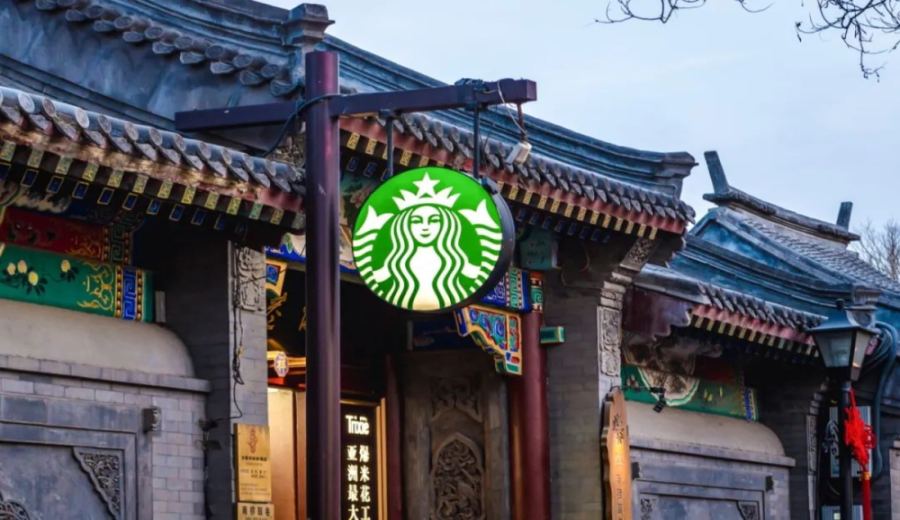
Introduction:Starbucks has seen a significant decline in sales performance in the Chinese market in recent years. In the first quarter of 2023, same-store sales in China even plummeted by 29%, in stark contrast to global growth. Is this due to the impact of the pandemic, or a combination of factors such as brand strategy, product innovation, and pricing? This article delves into the turning point Starbucks is facing in the Chinese market and explores potential directions for future adjustments.
In recent years, Starbucks’ performance in the Chinese market has drawn considerable attention, especially with the fluctuations in its sales figures sparking widespread discussion. According to the first-quarter 2023 financial report from Starbucks’ parent company, same-store sales globally grew by 5% year-on-year during that quarter. However, same-store sales in the Chinese market dropped sharply by 29%, moving in the opposite direction of the overall trend. As the second-largest market for Starbucks globally, China’s performance has clearly fallen short of expectations, prompting external observers to question: Why is this international brand, once a leader in coffee culture, gradually losing its appeal in China?
Regarding the sales decline, interim CEO Howard Schultz explained that it was mainly due to pandemic-related control measures and the subsequent surge in infections. However, even when considering the short-term impact of the pandemic,the extent of the data drop still far exceeded market expectations, reaching up to four times the estimated level,indicating that there may be deeper structural issues at play.
In fact, many netizens and market observers believe that the pandemic may have been just “the last straw that broke the camel’s back.” What has truly driven consumers away from Starbucks is the brand’s overall underperformance in crisis management, service quality, product innovation, and value positioning.
According to online discussions, the main reasons people are visiting Starbucks less include: negative reactions to the brand’s crisis PR attitude, a noticeable decline in store service experience, lack of product novelty and unappealing flavors, high prices with low cost-performance, and broader shifts in the overall consumer environment.
First,the way the brand handles crisis PR has become a trigger for declining consumer goodwill.For example, an incident last year where a Starbucks outlet ejected police officers dining in an outdoor seating area sparked widespread public debate. Instead of responding with sincerity in the first instance, Starbucks leaned toward emphasizing its own “lack of fault,” failing to promptly calm public anger and further damaging the brand’s image among consumers.
Second,the continuous deterioration of the service experience is also a significant factor.After the pandemic, to control costs, Starbucks generally reduced staffing in stores, with some outlets relying on just one employee and one manager to handle all operations. Under these circumstances, both service efficiency and customer experience have suffered, creating a vicious cycle of “poor experience → low repurchase rate → declining revenue → intensified cost control → further decline in experience.”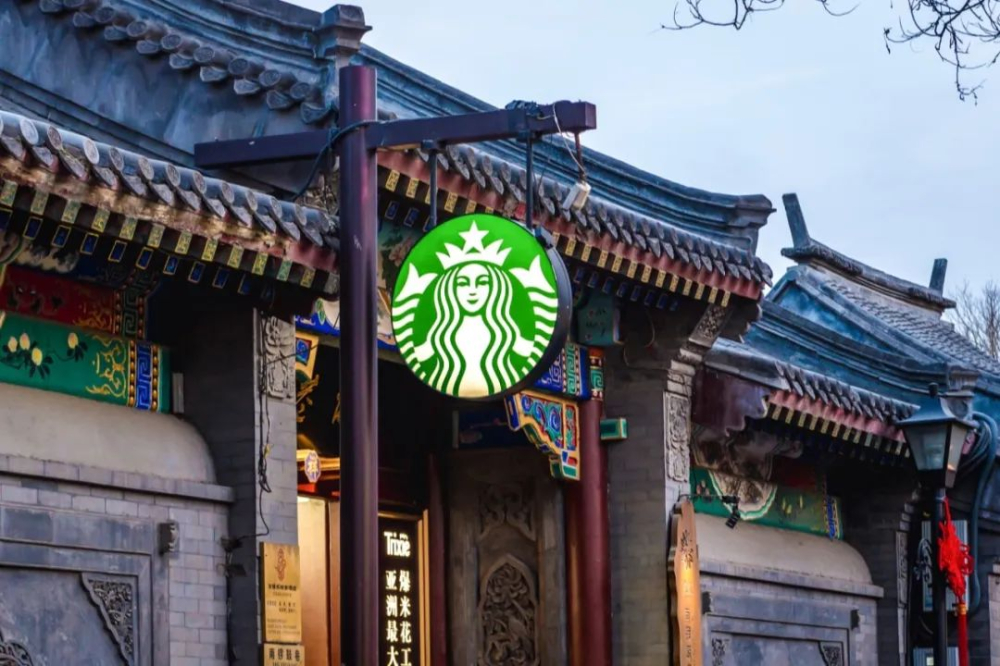
In terms of products, Starbucks’ innovation capabilities in the Chinese market have also been widely questioned. Compared to other regions where regional limited-edition or seasonal new products are frequently launched, beverage updates in the Chinese market often lack novelty, with many new offerings being mere re-packaging of existing flavors, failing to excite consumers.For the new generation of consumers who seek freshness and variety, such a product strategy struggles to be appealing.。
Additionally, price is another key reason why consumers are turning to other brands. A large cup of Starbucks drink typically ranges between 30 to 40 RMB, and even with occasional discounts, the perceived value remains low when taste and experience do not improve accordingly.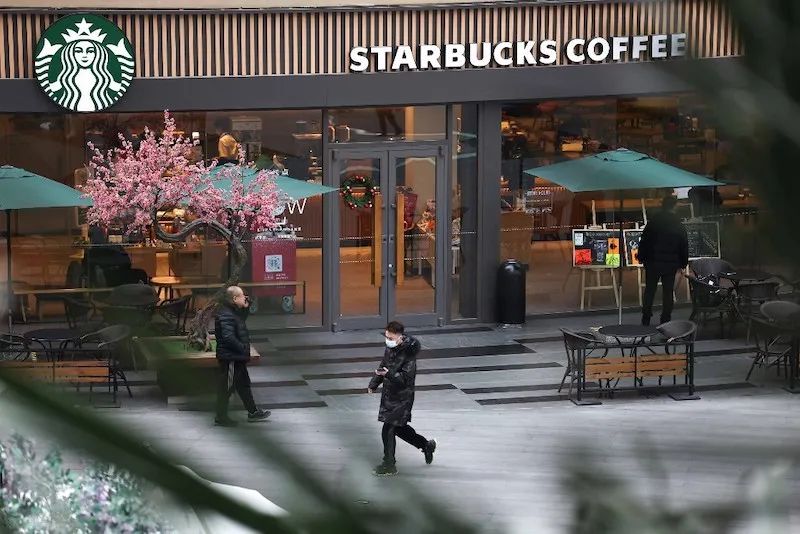 At the same time, the rise of local coffee brands and the pour over coffee culture has provided more price-competitive and personalized options, further eroding Starbucks’ original market share.
Finally, changes in the overall economic environment have also influenced consumer behavior. With slower economic growth, consumers are placing greater emphasis on cost-performance. The urban white-collar workers who were once Starbucks’ core clientele now tend to opt for more affordable tea or coffee brands. On social platforms, discussions about Starbucks have decreased, replaced by sharing of various new-style beverages, reflecting a clear shift in consumption trends.
Faced with these challenges, some observers suggest that Starbucks should not focus solely on expanding its number of stores or penetrating lower-tier markets,but rather re-examine the operational model of its existing stores, improve service quality, and increase investment in product R&D and localized innovation.Otherwise, even with its unique positioning as the “third place,” without continuously meeting consumer expectations in terms of service and experience, regaining market confidence will be an uphill battle.
The above content is compiled by CoffeeHunters, a coffee news website.


