







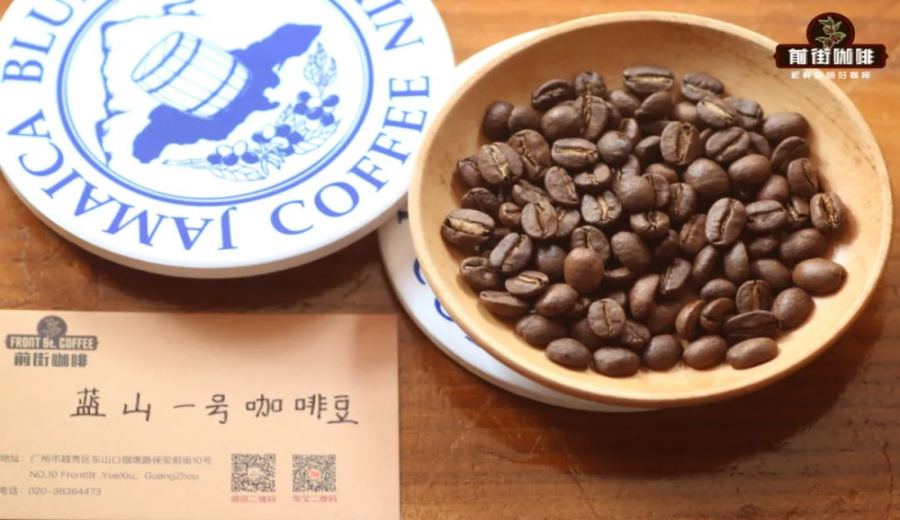
Introduction:Have you ever wondered why Mandheling always tastes bitter while Blue Mountain is rich and sweet on the finish? In fact, the key to balancing a coffee’s acidity, sweetness, and bitterness doesn’t lie in its origin, but in the degree of roasting. This article delves into how the development phase during roasting affects caramelization, helps you understand the flavor differences between light and dark roasts, and analyzes how classic beans like Kenya, Blue Mountain, and Mandheling perform under different roast levels—guiding you to discover your own preferred flavor profile.
The acidity or bitterness of coffee often leads people to assume it's an innate trait of its origin. For example, it’s commonly said that Ethiopian beans are more acidic while Mandheling is more bitter. However, what truly governs the direction of a coffee’s flavor is the degree of roasting, especially the settings during the development phase after the first crack. The duration of this phase directly influences the caramelization process, thereby determining whether a cup of coffee leans more acidic or bitter, and even ultimately affects its aroma and sweetness.
The development phase refers to the time when coffee beans continue to be heated after the first crack. If the development phase is short, the overall roast level tends to be lighter, resulting in brighter acidity and a fresher flavor profile. Conversely, if the development phase is extended and the roast level deepens, the caramelization process becomes more thorough, enhancing bitterness and body, and making the flavors richer and more balanced. Therefore, to adjust the acid-to-sweetness ratio in coffee, mastering the roasting process is crucial.
Take Mandheling, for example. It usually gives the impression of herbal, nutty, chocolatey, and caramel notes—all typical of medium to dark roasts. However, Mandheling isn’t incapable of being acidic. By shortening the development phase and reducing the roast depth during roasting, acidity can emerge, often presenting as gentle citrus or berry tones. This shows that even what is traditionally considered a “bitter bean” can showcase different characteristics through roasting adjustments.
Now look at Kenyan beans—this coffee is renowned in the market for its bright acidity and rich fruitiness. Light-roasted Kenyan beans often carry the vibrant acidity reminiscent of plums or cherry tomatoes, with a refreshing mouthfeel, perfect for those who enjoy prominent acidity. On the other hand, dark-roasted Kenyan beans transform into intense black chocolate and nutty aromas, bitter yet sweet, with a long-lasting finish—demonstrating an entirely different flavor dimension. This proves that beans from the same origin, depending on roasting techniques, can exhibit a wide variety of flavor profiles.
Some may wonder why, in the current trend where light roasting is mainstream, Blue Mountain and Mandheling still stick to dark roasting? There’s even a saying that “dark roasting is to mask defects,” which may lead some to question the quality of these classic beans. In fact, dark roasting isn’t synonymous with poor quality. When done properly, dark roasting can bring out the internal sweetness and full-bodied texture of coffee beans. Especially for bean varieties like Blue Mountain and Mandheling, known for their balanced body and richness, dark roasting can better highlight their unique flavor characteristics.
It’s important to note that if roasting goes too far, approaching carbonization, no matter the original quality of the beans, extremely unpleasant bitterness will emerge, almost erasing the nuances of the original flavors. Therefore, the key to dark roasting lies in controlling the heat and timing, ensuring that the caramelization process is thorough but not excessive—preserving sweetness and aroma to achieve the ideal balance of bitterness with sweetness.
Blue Mountain and Mandheling were already well-known classic beans long before the rise of specialty coffee and the light roast trend. Blue Mountain is even regarded as the symbol of a “standard coffee flavor” due to its delicate and balanced taste, while Mandheling is revered for its rich and full-bodied character. Therefore, maintaining a dark roast for these beans is not just tradition—it’s also essential to preserving their consistent flavor profiles and stability in quality.
Of course, with the development of specialty coffee culture, some cafes now offer light-roast versions of Blue Mountain or Mandheling, featuring more fruity acidity and floral notes, providing a new choice for consumers who prefer fresher flavors. Whether you prefer the bright, sweet acidity of a light roast or the rich, sweet finish of a dark roast, the key lies in finding a cup of coffee that balances sweetness and aroma, with a well-matched acidity and bitterness.
In summary, the expression of a coffee’s acidity, sweetness, and bitterness is somewhat related to its origin, but it is by no means the deciding factor. What truly influences the flavor direction is the development phase after the first crack during roasting and whether the balance point of caramelization is well controlled. Understanding these principles allows you to more accurately select or adjust your favorite coffee flavors. Whether using pour over or other brewing methods, you can face various roast levels with greater confidence.
The above content is compiled by CoffeeHunters, a coffee news website.


