







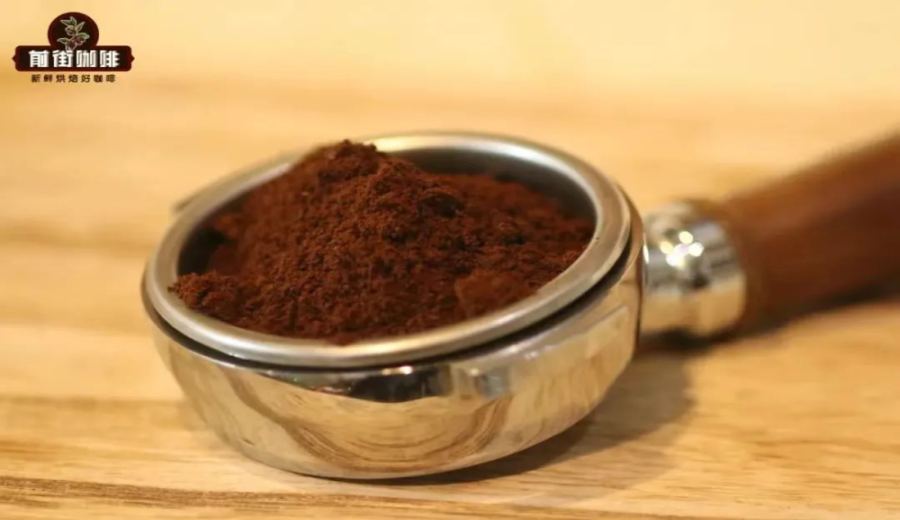
Introduction:Many coffee enthusiasts are familiar with the blooming stage in pour over brewing, but often wonder if espresso also requires a similar preparatory step. In fact, pre-infusion has become an essential technique in modern espresso extraction for stabilizing flavor. This article delves into how pre-infusion helps release carbon dioxide from coffee grounds, reduces channeling, and offers flexible parameters for adjustment. Whether you're a professional barista or a home brewing enthusiast, you'll gain practical tips and an understanding of the underlying logic.
Just as blooming plays a crucial role in flavor release for pour over coffee, does precision-focused espresso also benefit from a similar preparatory step? While the traditional espresso brewing process doesn’t explicitly use the term “blooming,” the concept of “pre-infusion” has increasingly emerged as a key factor in stabilizing extraction quality. This article will guide you from basic principles to understand how pre-infusion compensates for the instability introduced by modern coffee bean characteristics.
Looking back at traditional espresso extraction, we typically aim to pull around 30 milliliters (1 ounce) of espresso within 20 to 30 seconds under stable 9-bar water pressure, with fixed coffee dose, yield, and time. Under these conditions, flavor consistency is usually maintained. However, as consumer demand for fresher beans grows and roasting styles diversify, this “stability” is no longer guaranteed.
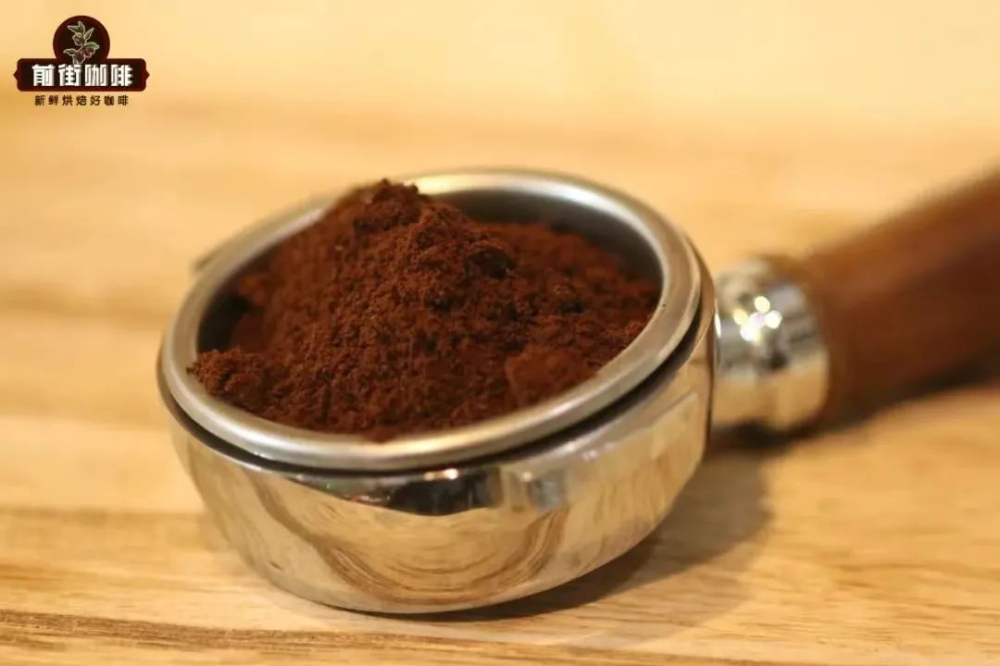
In the past, espresso beans often required a resting period of half a month or even a full month to allow most internal carbon dioxide to dissipate before reaching a stable extraction phase. But today, to emphasize bean freshness, many roasters have shortened the aging time, resulting in higher concentrations of carbon dioxide still present during extraction. This not only affects the crema’s fineness but also makes the extraction process harder to control.
To address these challenges, pre-infusion technology has become more widespread. Simply put, it involves passing hot water through the coffee puck at low or no pressure before the main extraction phase under pressure, achieving a wetting and initial extraction effect. This step can be seen as the “blooming” equivalent for espresso and is crucial for stabilizing the subsequent extraction process.
The primary benefits of pre-infusion can be summarized in three points:First is the release of active gases. If the coffee beans are not adequately rested and contain too much carbon dioxide, it can interfere with even contact between water and coffee grounds, leading to uneven extraction. Pre-infusion helps release these gases in advance, ensuring smoother extraction afterward.
Second is reducing the likelihood of channeling. Under the high pressure of 9 bars, if the puck is not evenly tamped, water tends to find the path of least resistance, creating so-called “channels” that result in some coffee grounds being under-extracted. Pre-infusion allows the puck to absorb water and slightly expand first, helping the overall structure become more compact and thus minimizing this issue.
Third, pre-infusion provides more flexible extraction strategies. In the past, if the extraction resulted in flavors that were too sour or too light, most people could only adjust grind size or the coffee-to-water ratio. Now, fine-tuning the pre-infusion time can also effectively influence overall extraction efficiency, allowing for more nuanced flavor adjustments.
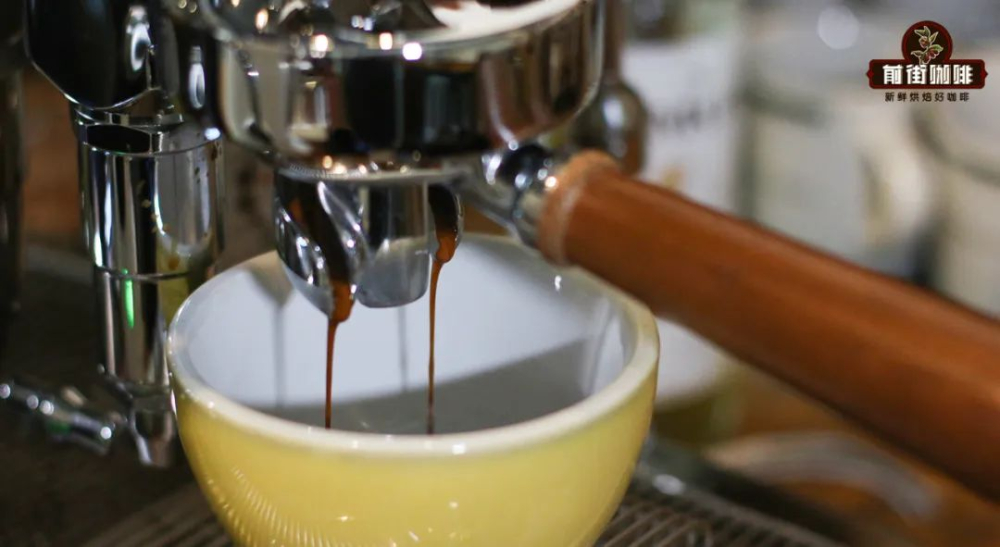
It’s worth noting that not all espresso machines come with built-in automatic pre-infusion. If your machine supports one-touch pre-infusion, operation is naturally more convenient; but in manual mode, you can also determine when to stop the water flow based on the output. For example, using a bottomless portafilter, you’ll typically see coffee begin to seep from the bottom around the 3rd to 4th second after starting. At that point, you might consider stopping the water supply around the 3rd second and proceeding to the pressurized extraction phase.
As for how long pre-infusion should last, there’s no one-size-fits-all standard. Based on practical experience,durations of 5 seconds, 10 seconds, or even extended to 30 seconds each have their applicable scenarios. This entirely depends on the coffee bean’s resting state, grind size, and recipe ratio. It’s recommended to experiment multiple times to find the pre-infusion duration that best suits your preferred flavor profile.
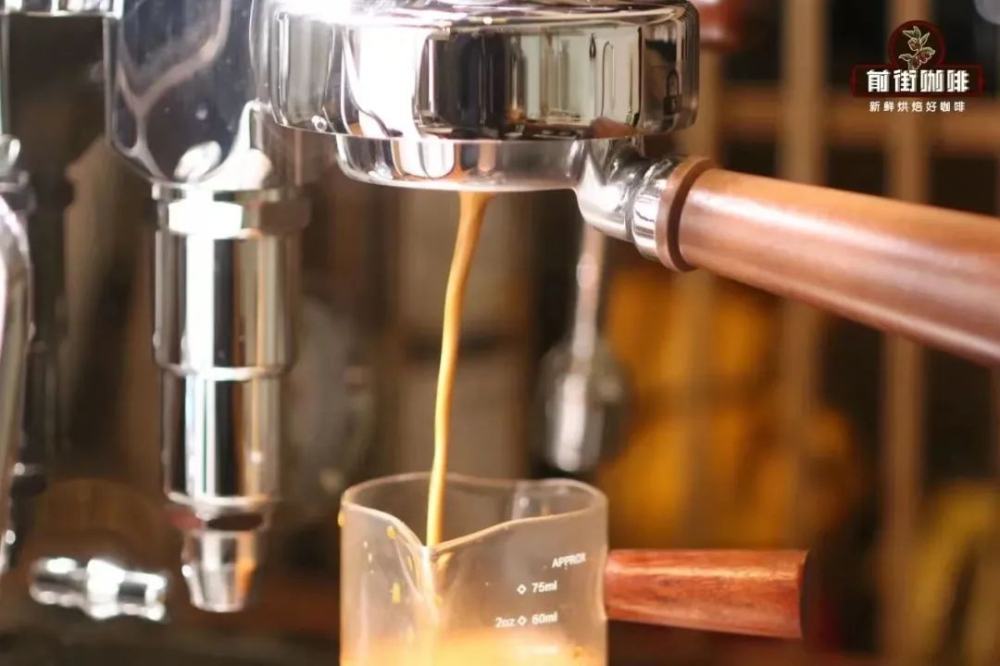
In summary, while pre-infusion is not a traditional requirement for espresso, in today’s trend toward freshness and diverse extraction flavors, it has become an important tool for stabilizing output and enhancing flavor expression. Whether you’re using an automatic machine or manually operating the process, mastering the principles and adjustment points of pre-infusion can take your espresso to the next level.
The above content is compiled by CoffeeHunters, a coffee news website.


