







Introduction:Thanks to its unique production process and convenience, freeze-dried coffee has rapidly become a mainstream product in the coffee market in recent years, with prices that are 4 to 7 times higher than those of traditional instant coffee. This article will delve into the fundamental differences between freeze-dried coffee and traditional instant coffee—from the freeze-drying process, flavor preservation, brand strategies, to market trends—to help you understand how this premium instant coffee has evolved from the fringes of the market to a popular choice, and to reveal the logic behind its consumer appeal.
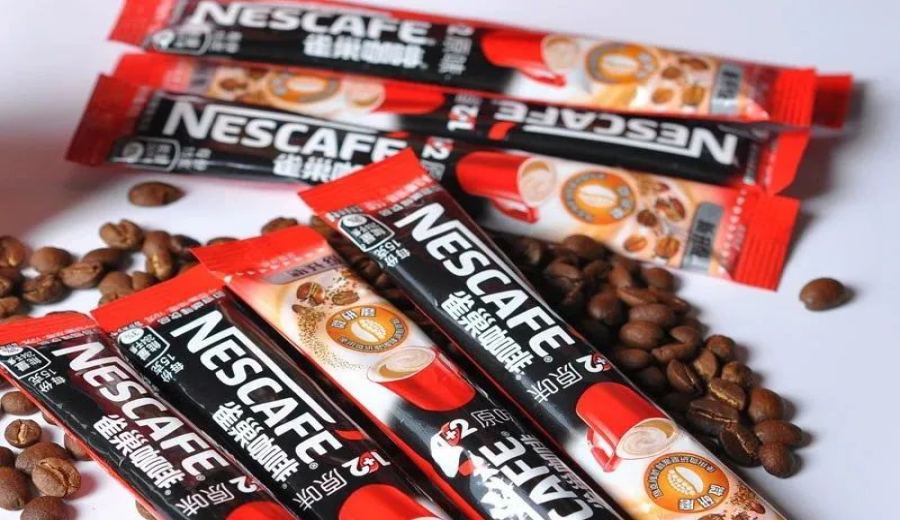
When it comes to instant coffee, many people first think of brands like Nestlé, Maxwell House, and OldTown. These brands once brought coffee into every household, but they have long been regarded as the bottom tier of the coffee hierarchy. However, with the rise of new brands such as Saturnbird, Yongpu, and Yotsuba, instant coffee has been revitalized. Marketed as “freeze-dried coffee,” these products incorporate the narrative of premium coffee that emphasizes flavor, successfully elevating their positioning close to that of freshly ground coffee. Although still classified as instant, their prices far exceed those of regular instant coffee products. Why can freeze-dried coffee be sold at such high prices? What is the fundamental difference compared to traditional processes? Since its rise in 2018, this market segment has already surpassed 1 billion yuan in size. We will break down the reasons behind the popularity of freeze-dried coffee from three perspectives: production principles, brand positioning, and market dynamics.
In the traditional perception of instant coffee, brands like Nestlé and Maxwell House often come to mind. While they helped popularize coffee, they were also long categorized at the lowest end of coffee quality. Today, however, when consumers talk about instant coffee, they are more likely to mention newer brands like Saturnbird and Yongpu. These brands repackage instant coffee as “freeze-dried coffee” and integrate the flavor-focused storytelling of premium coffee, successfully elevating its status to near that of freshly brewed coffee. Although still considered instant, its price far surpasses that of standard instant coffee products. So, where does the high price of freeze-dried coffee come from? The key lies in the underlying differences in production techniques.
Depending on the production process, instant coffee can generally be divided into two main types: traditional instant coffee made via high-temperature spray drying, and freeze-dried coffee produced using freeze-drying technology. The former has high production efficiency and relatively low costs, while the latter involves a more complex process and higher costs—but as a result, it preserves more of the coffee’s original flavors.
The production process of traditional instant coffee typically begins with extracting soluble substances from roasted coffee beans to form a coffee extract. This liquid is then atomized into tiny droplets using high-pressure nozzles and sprayed into a high-temperature drying chamber, where the moisture evaporates instantly, leaving behind the powdered instant coffee. However, the high-temperature environment destroys most of the aromatic compounds in the coffee, resulting in a final product that often only retains a bitter taste. As a result, many such products also add non-dairy creamer, sugar, and milk powder to create so-called “two-in-one” or “three-in-one” coffee blends.
In contrast, freeze-dried coffee employs a “freeze sublimation” technique to retain more of the coffee’s original flavors. First, the extracted coffee concentrate—approximately 65% concentration—is pre-cooled to around -5°C to form a paste-like structure. It is then placed in an extremely low-temperature environment of -40 to -50°C, where the coffee paste is completely frozen into a solid block. Subsequently, these frozen blocks are crushed into small particles measuring 2 to 3 millimeters and placed in a vacuum drying chamber. By gradually increasing the temperature, the ice crystals are directly sublimated from solid to gas without passing through the liquid phase, ultimately yielding porous, lightweight, and light-colored freeze-dried coffee granules that resemble freshly ground coffee.
The key advantage of this entirely low-temperature process is that it significantly reduces the loss of heat-sensitive aromatic compounds, allowing the brewed coffee to more closely resemble freshly brewed coffee in terms of color, aroma, and taste. This is the crucial factor that enables freeze-dried coffee to stand out in terms of flavor performance.
Freeze-dried coffee entered the public eye as an entirely new category in 2018. In August of that year, the brand Saturnbird officially launched on Tmall. Within just a few months, it established a solid foothold in the instant coffee market, which was previously dominated by international giants. Data shows that during the 2018 Double 12 shopping festival, Saturnbird’s Tmall flagship store sales ranked second only to Nestlé. By the 2019 Double 11, the brand had claimed the top spot in Tmall’s coffee category sales, becoming the first Chinese domestic brand to reach that position.
Saturnbird positions itself as “premium instant coffee,” emphasizing convenience and flavor restoration. It highlights an upgrade over traditional instant coffee, successfully attracting a consumer base that values both quality and convenience. This product, which combines the concept of premium coffee with modern consumer demands, not only won favor in the capital market but also led to the emergence of an important branch in China’s coffee market known as “premium instant.” Subsequently, more and more traditional and F&B brands entered this niche market, launching their own versions of freeze-dried coffee products.
According to 2022 sales data on the Tmall platform, the annual sales of freeze-dried instant coffee exceeded 1 billion yuan, with a year-on-year growth rate of over 35%. The number of related brands and online stores also grew by nearly 30% over the same period. These figures clearly show that even with its premium pricing, freeze-dried coffee continues to enjoy widespread support and popularity among consumers.
In fact, the rise of premium instant coffee is no accident. Around 2018, Luckin Coffee cultivated a large number of coffee consumers through its aggressive subsidy strategy. These users gradually developed a keener sensitivity to coffee quality and became dissatisfied with traditional instant products containing artificial additives. Traditional brands like Nestlé and Maxwell House, often associated with ingredients like non-dairy creamer and sugar substitutes, were also seen as less healthy. Meanwhile, freeze-dried coffee brands not only achieved technological breakthroughs to retain more of the coffee’s original aromas, but also improved their ingredient selection and paired their offerings with packaging designs that cater to younger aesthetics, delivering a distinctive consumer experience. This helped them successfully carve out a new blue ocean in the market.
The above content is compiled by CoffeeHunters, a coffee news website.


