







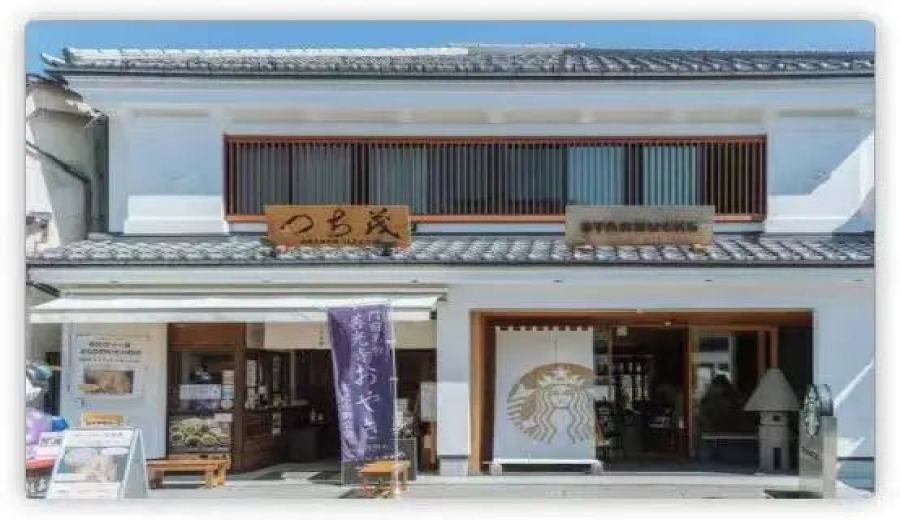
Introduction:The cross-industry combination of temples and coffee has sparked a trend across Asia in recent years. From Japan’s Zenkō-ji to Hangzhou’s Yongfu Temple, and even Xiamen’s Nanputuo Temple, these ancient sites have all introduced coffee elements, attracting many young people to visit and take photos. What exactly is behind the sudden rise in popularity of temple coffee? And what is the attitude of monks toward coffee? This article delves into the cultural collision and consumer psychology behind the temple coffee craze.
In recent years, a wave of coffee enthusiasm has swept through ancient temples across Asia. Whether it’s Starbucks opening within the over 1,000-year-old temple grounds of Zenkō-ji in Japan, or Hangzhou’s Yongfu Temple launching specialty coffee drinks with Zen-inspired names such as “Dífán” (to dispel worries) and “Tíngxuě” (to stop snow), these temple-coffee combinations have successfully captured the attention of younger generations. Amid the tranquil atmosphere of these historic sites, they enjoy their coffee while also experiencing the unique charm brought by the fusion of Eastern and Western cultures.
This trend of temple coffee not only allows ancient architectural culture to be rediscovered through the medium of modern beverages but also creates new connections between monks and young consumers. Take Hangzhou’s Yongfu Temple as an example—the café that quietly opened in 2021 quickly went viral online due to the label of “monks selling coffee,” becoming a popular photo spot for many young people. Every weekend and holiday, it’s common to see groups of young visitors sitting inside the temple, savoring their coffee while immersing themselves in the serene ambiance.
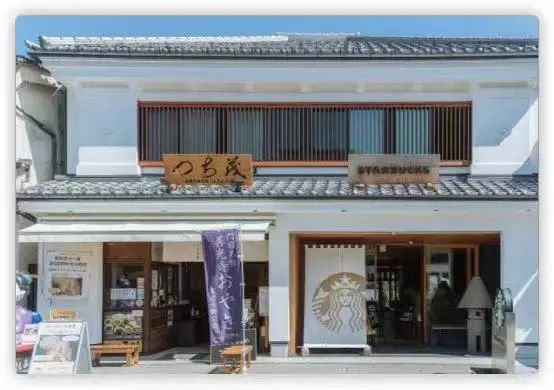
The popularity of temple coffee can be seen in the performance of various temple-run operations. As early as 2020, Starbucks Japan opened a branch within the over 1,300-year-old compound of Zenkō-ji. The move was not only endorsed by the temple authorities and monks but also gave many visitors a fresh perspective on this millennia-old site while enjoying their coffee. Meanwhile, the café at Hangzhou’s Yongfu Temple, with its unique positioning, turned “drinking coffee in a temple” into a hot topic on social media, drawing countless netizens to make pilgrimages of their own.
Following the success of Yongfu Temple, more and more ancient temples have begun allowing third parties to set up coffee shops within their grounds, and some temples have even entered the coffee business themselves. For instance, Xiamen’s Nanputuo Temple recently posted a job opening for a barista. It is reported that the temple’s café is bustling with visitors on both weekdays and holidays, often seeing long queues on weekends. Netizens have also been discussing the perks of working at a temple café, such as a four-day workweek, sparking a wave of humorous commentary.
So why have these young people fallen in love with drinking coffee in temples? First, there is a growing acceptance of innovative promotions of traditional Chinese culture. Many young people are no longer satisfied with mere historical tours or cultural introductions. Instead, through coffee offerings with Zen-inspired names like “Dífán” Americano and “Tíngxuě” Latte, they sense the tranquil atmosphere and cultural depth of the temple. Moreover, labels such as “monks selling coffee” and “drinking coffee in a temple” create a strong contrast effect online, successfully subverting the public’s conventional image of monks and religious sites, thereby sparking curiosity and a desire for exploration among young people.
This collision of Eastern and Western cultures, combined with an immersive scene experience, offers consumers a level of engagement they’ve never had before. Not only that, but the packaging design and naming of temple coffee also blend seamlessly with the surrounding environment, further enhancing the immersive experience. It allows people to feel a rare inner peace while sipping their coffee.
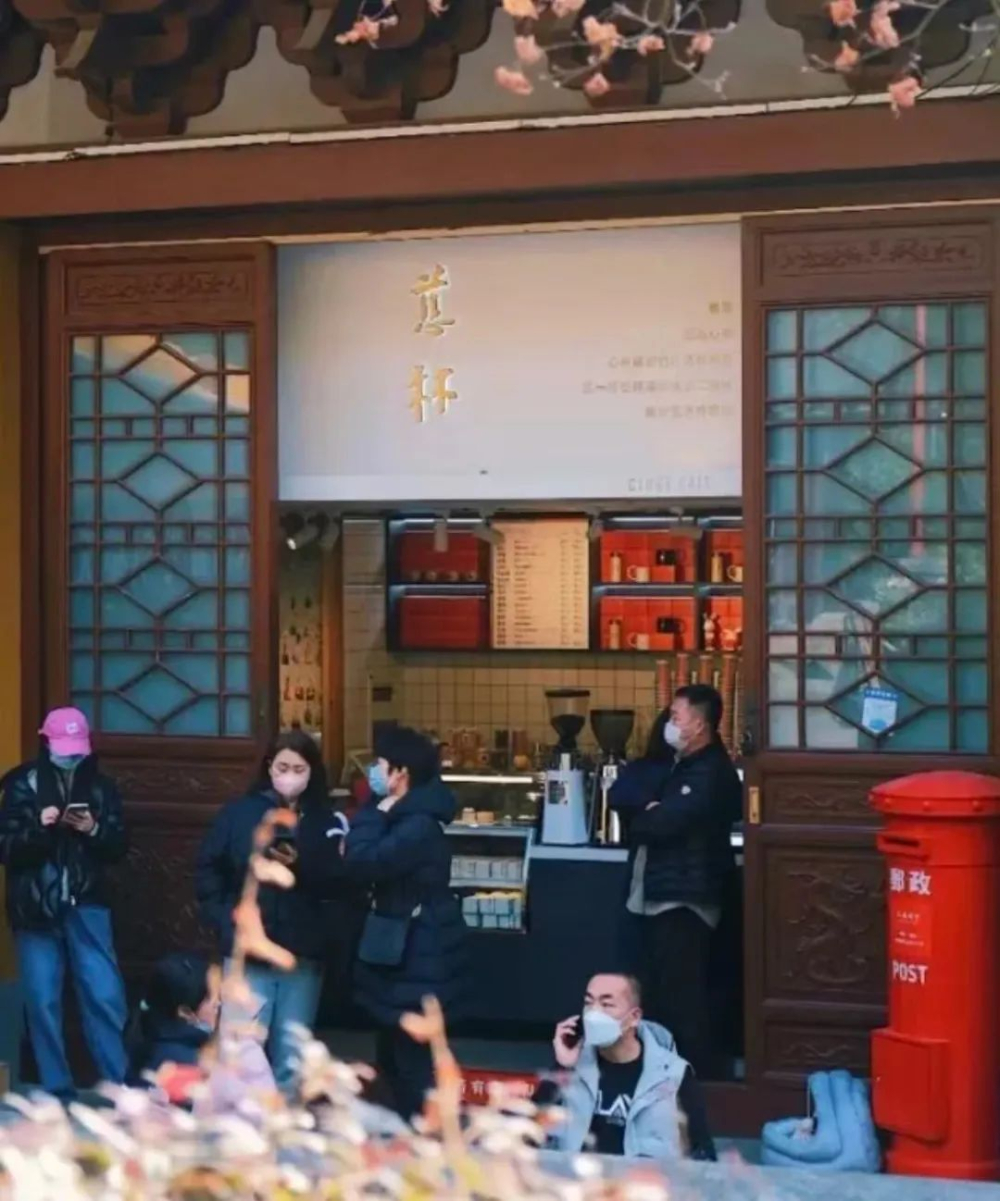
Interestingly, the audience for temple coffee is not limited to tourists and worshippers—even monks themselves are gradually becoming coffee enthusiasts. Although traditionally monks are perceived as tea drinkers and scripture chanters, many young monks today are open to new things. In some temples, monks even purchase green coffee beans themselves, roast them, and then serve pour over coffee to visitors. A Korean variety show once captured a funny moment when a guest asked, “I thought monks only drank tea,” to which the monks laughed and replied, “You’re living in the past—we need to keep up with the times.” This remark not only drew amused smiles from the audience but also instantly turned the temple into a pilgrimage site for young netizens who hoped to personally experience monks pouring their own coffee. However, it is understood that the temple currently only serves coffee to visitors by appointment and has no plans for public sales.
The above content is compiled by CoffeeHunters, a coffee news website.


