







Introduction:When a cup of coffee is priced at 35 yuan in a county-level city, many people are surprised. Such a price might be common in first-tier cities, but it sparks heated discussion in county areas where the consumption level is relatively low. This article delves into the phenomenon of coffee consumption in county cities, analyzing the consumer groups for 35-yuan coffee, the reasons behind price differentiation, and how social attributes influence the development of the county coffee market — taking you on a journey to understand this largely untapped new blue ocean in the coffee industry.
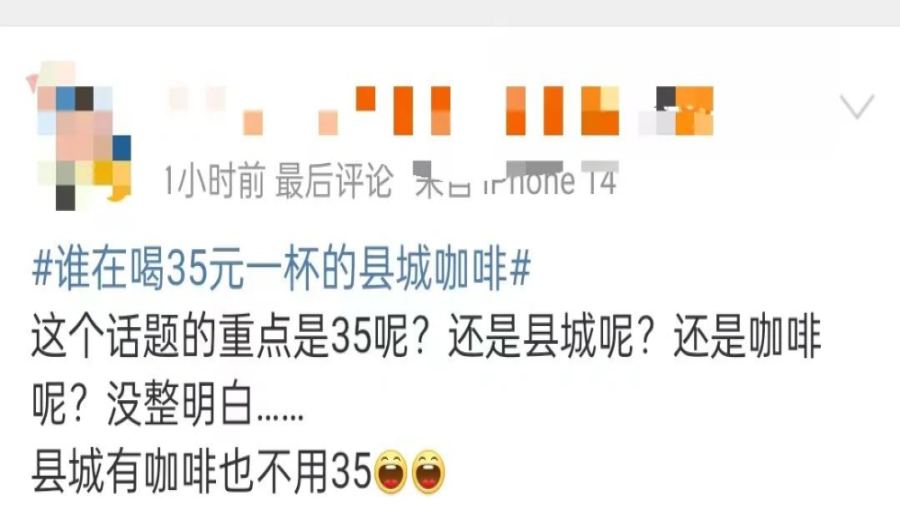
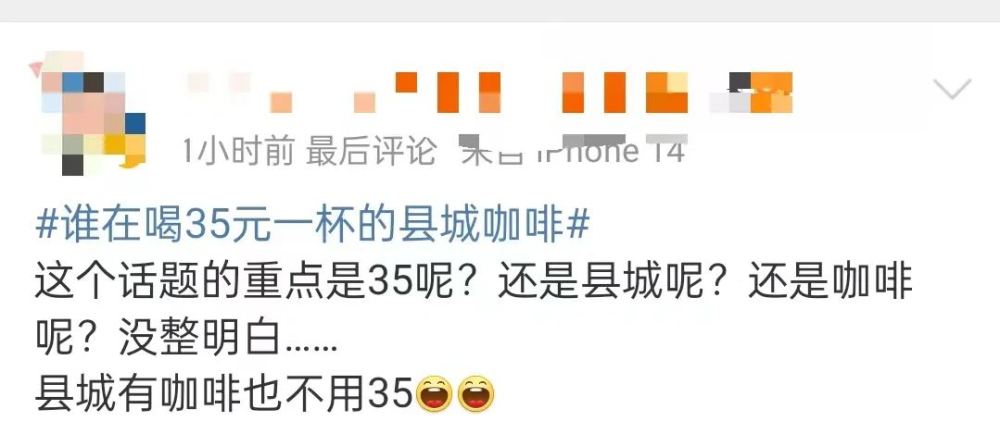
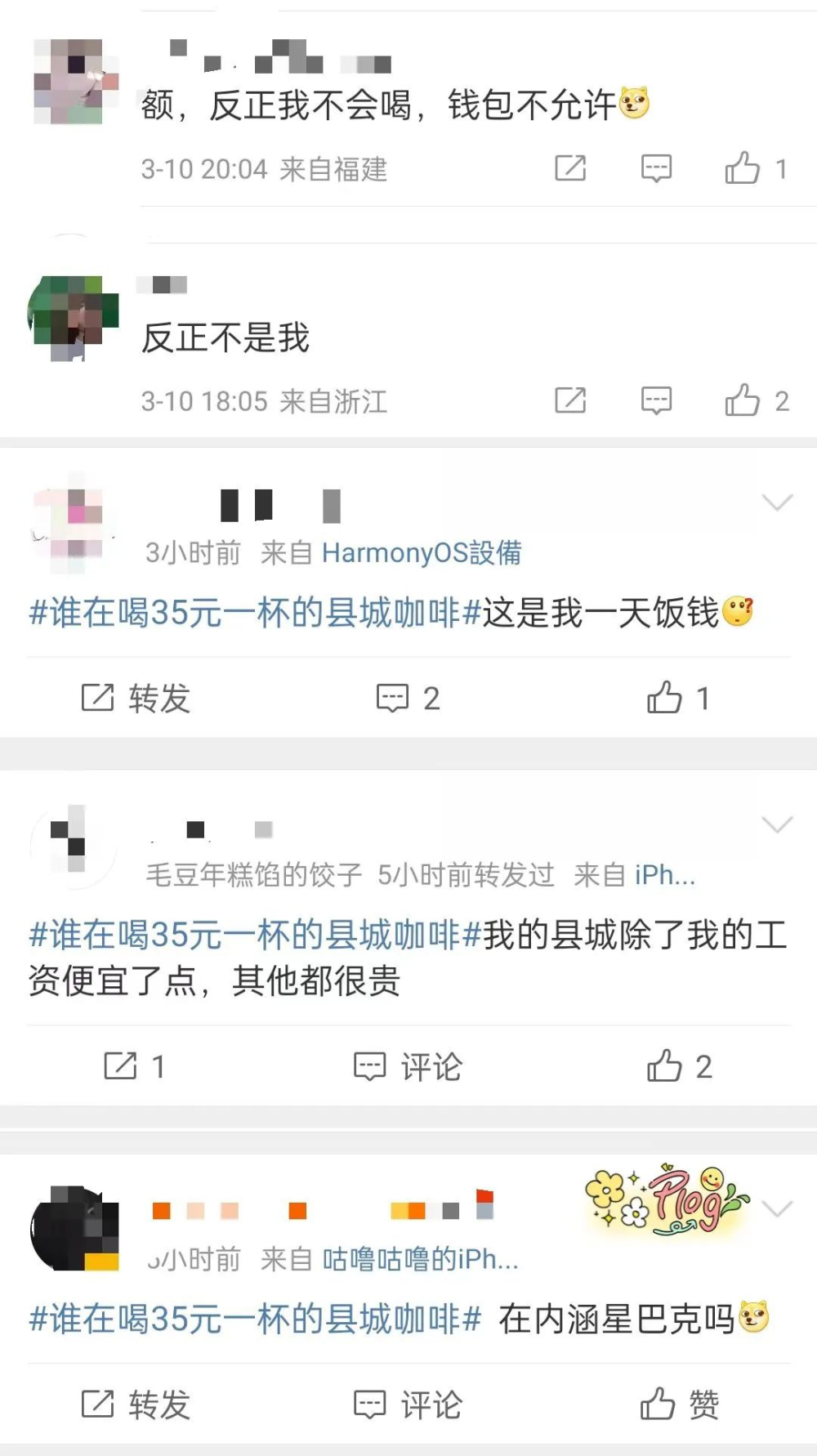
A cup of coffee for 35 yuan might not attract much attention in a first-tier city. However, when such a price appears in a county city, it instantly becomes a hot topic. A Weibo topic titled “Who’s drinking 35-yuan coffee in county cities?” quickly trended, sparking lively online discussions. Some joked, “Obviously, it’s that expert,” while others bluntly stated, “That’s my daily food budget.” Amid the buzz, there's a clear reflection of public curiosity and skepticism toward the phenomenon of high-priced coffee in county areas.
Data shows that the county coffee market is undergoing rapid expansion. In 2021, the number of takeout coffee orders in fourth- and fifth-tier cities increased by over 250% year-on-year. Well-known chain brands such as Luckin, Starbucks, and Xingyukuai (Lucky Cup) are accelerating their “going-down” strategy, actively entering fourth- and fifth-tier cities to compete for county consumers. Meanwhile, many local independent coffee shops have also sprung up like mushrooms after rain, adding diverse options to the county coffee scene.
Looking into the details of the trending topic, one can find a referenced market report indicating that in 2021, takeout coffee order volumes in fourth- and fifth-tier cities surged by 257% and 253% respectively — growth rates that far exceed those of first- and second-tier cities. It’s evident that coffee consumption is penetrating from major cities to county areas at an astonishing pace. The county market, traditionally known for cost-effectiveness, is now gradually seeing a consumer base willing to pay a premium for brand and experience.
In this wave of county coffee enthusiasm, besides widely recognized brands like Luckin and Starbucks, chain brands with an affordable focus, such as Xingyukuai (Lucky Cup), have also gained considerable support. Notably, apart from these national brands, local independent coffee shops are emerging as a force not to be ignored. These cafes are often located near busy intersections or residential communities, feature stylish interiors, and emphasize manual brewing methods such as pour over and freshly ground coffee — focusing on both appearance and flavor, with prices that are no less steep.
Many who return to their hometowns for the Lunar New Year have observed that in the past, it was hard to find a decent coffee shop in county cities, but nowadays, walking along the main streets of towns, it’s not difficult to spot Luckin, Starbucks, and even some uniquely styled community coffee shops. This change has delighted many coffee enthusiasts, who say, “Finally, I don’t have to worry about not having coffee when I go home.”
Observing the overall market, coffee prices in county cities also show a clear polarization trend. At certain chain brands or during promotional activities, a cup of coffee may cost just a few yuan; whereas at some local specialty coffee shops, a cup of pour over or specialty coffee might be priced as high as several dozen or even nearly a hundred yuan. Notably, regardless of the price point, each has a stable consumer base, reflecting different levels of consumption needs and lifestyle attitudes.
For those consumers willing to spend dozens of yuan on a cup of coffee in county cities, what they value is often not the caffeine boost, but rather a space to relax, chat, and socialize. Coffee shops are gradually becoming popular gathering spots for young people and popular photo locations, especially with the boost from social media — coffee shops with distinctive designs and branded features are more likely to catch the eye.
In addition, many creative coffee entrepreneurs are bringing business models and signature drinks popular in first- and second-tier cities back to county areas, adapting them to the preferences of local consumers and successfully tapping into the market. This approach of “localizing urban experiences” not only satisfies the younger generation’s pursuit of fashion and quality, but also injects more vitality and possibilities into the county coffee market.
Overall, although the county coffee market started later, its consumption potential should not be underestimated. With the downward expansion of brands, the rise of local shops, and the growing consumer demand for coffee quality and social spaces, this market still holds significant room for development. However, truly cultivating a mature and stable consumer base will still take time and more market education.
The above content is compiled by CoffeeHunters, a coffee news website.


