







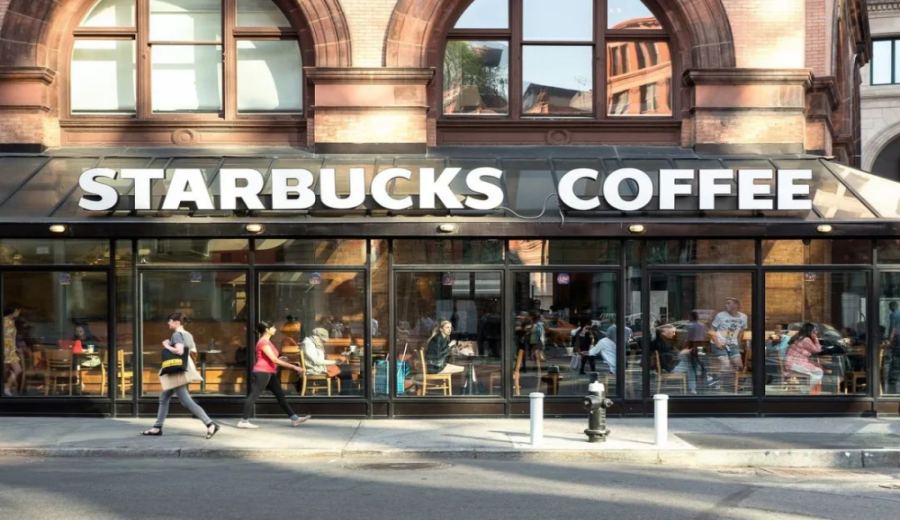
Introduction:In recent years, Starbucks has begun entering traditional wet markets, such as the new market in Minhang District, Shanghai, and an established trade market in Seoul, South Korea. Wet markets offer advantages such as high foot traffic, relatively low rents, and strong repeat purchase potential, making them a new target for coffee brand expansion. This article delves into the commercial rationale behind Starbucks’ location choices, the feasibility of opening coffee shops in wet markets, and how its consumer-friendly pricing strategy helps root the coffee market deeper among the general public.
In the past, Starbucks often positioned its stores in urban cores or upscale commercial areas to shape a premium, leisure-oriented brand image. However, with changing market conditions and shifting consumer habits, this international coffee chain has started adjusting its strategy by extending its reach into neighborhoods and traditional markets. For example, in a newly built wet market in Shanghai’s Minhang District, alongside pharmacies, convenience stores, and breakfast shops, Starbucks has become part of the “one-stop” convenient service offering—much to the surprise of many netizens.
Not only in the Chinese market, but also in Seoul, South Korea, Starbucks has gone a step further by venturing into a historic comprehensive trade market. The store is located in a theater within the market that had been abandoned for years. After being reimagined by the brand, it has become a unique space that blends local culture with modern coffee experiences. This move not only reshapes consumers’ existing perceptions of Starbucks but also injects new vitality into the old market, attracting more young people to explore traditional business districts.
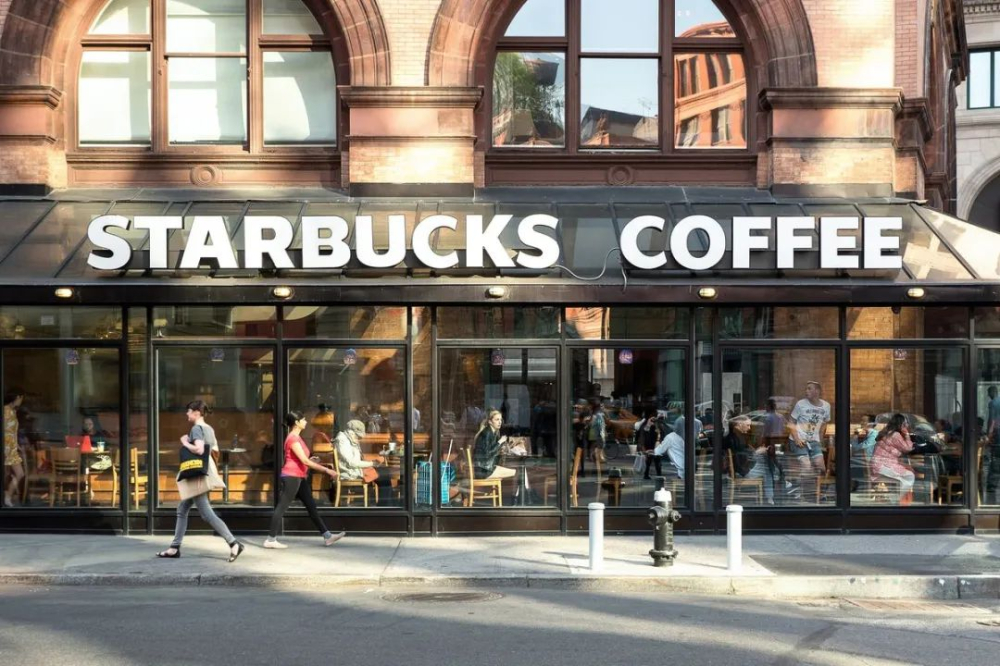
Many may wonder: wet markets are often perceived as messy, damp, or even smelly—can they really be suitable locations for coffee shops? In fact, in recent years, governments have strengthened market management, and the hygiene and functional zoning of most traditional wet markets have significantly improved. Floors are dry and clean, and vendor services have become more refined, including on-site meat and vegetable processing, meeting modern consumers’ dual needs for convenience and health.
Furthermore, wet markets are inherently high-footfall areas, attracting residents of all age groups. Whether for daily shopping or just passing through, they naturally create exposure and generate word-of-mouth buzz.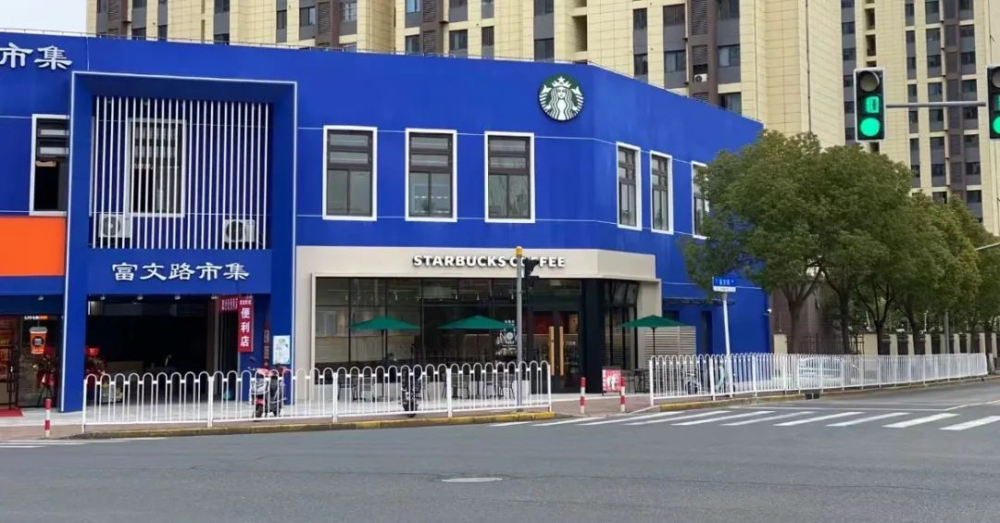 This kind of unconventional “crossover” combination often sparks curiosity among consumers, prompting them to share their experiences voluntarily, resulting in low-cost yet highly effective word-of-mouth marketing.
In fact, opening coffee shops inside or near wet markets is not a new concept abroad. Starbucks’ very first store was established in Pike Place Market in Seattle, USA—a century-old farmers' market. This shows that choosing high-traffic traditional markets can help brands quickly build initial customer traffic and market recognition, especially when pursuing a consumer-friendly approach, making it a strategic move.
However, many still believe selling coffee in wet markets is an “unreliable” business model, citing environmental concerns and customer purchasing habits. But upon closer analysis, the biggest advantage of wet markets lies inrelatively low rental costsand stable foot traffic. Even if not every customer buys coffee on the spot, as long as product pricing is reasonable and quality is consistent, it can cultivate a loyal customer base.
For residents living nearby, who may be regular shoppers at the market, discovering a coffee shop with good flavor and affordable prices within the market can easily lead to the formation of a regular purchasing habit.Affordable pricing not only lowers the barrier to trying something new but also attracts potential users who previously had little interest in coffee, thereby expanding the overall market base.
Moreover, not every customer seeks the ultimate in coffee flavor or complex brewing techniques. For most people, a cup of smooth-tasting, reasonably priced coffee is enough to meet their daily needs. Therefore, if a wet market coffee shop can focus on consistent quality and affordability, it is more likely to build a strong reputation and high repurchase rate.
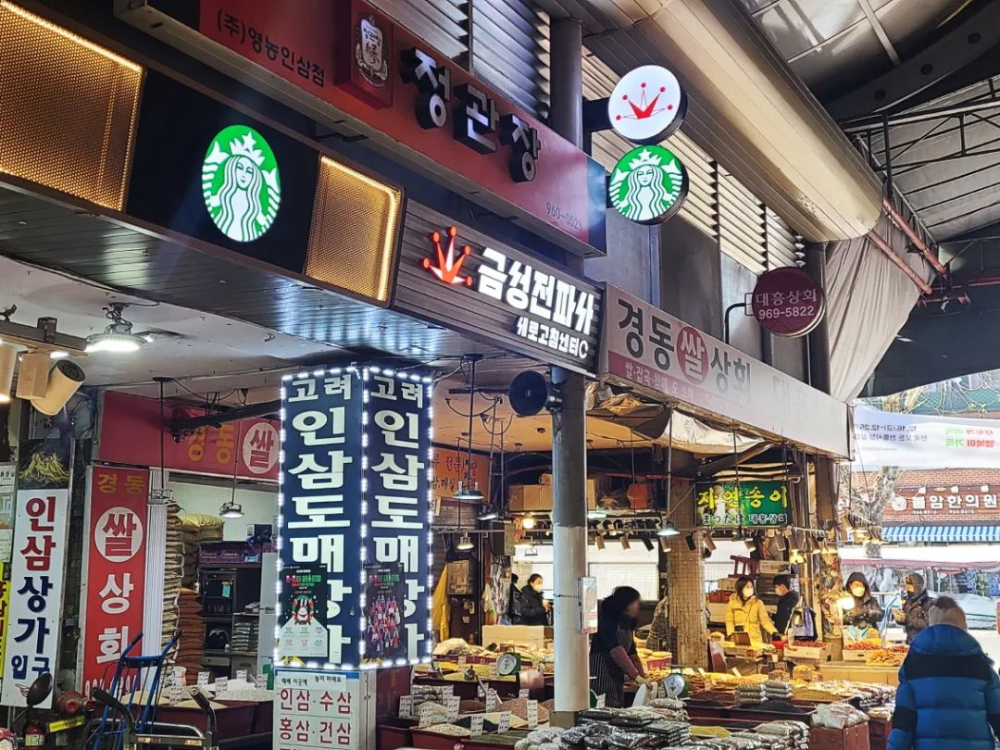
In summary, Starbucks’ move into traditional wet markets is not just a simple adjustment in location selection but represents the brand’s deep consideration of different consumer scenarios. In an era of increasing rent pressure and market competition, wet markets—as high-footfall, low-operational-cost potential locations—are worthy of reevaluation for their commercial value. In the future, as consumer habits diversify and market environments continue to improve, wet markets may become one of the key scenes for new retail in the coffee industry.
The above content is compiled by CoffeeHunters, a coffee news website.


