








Introduction:Animal cafes once gained immense popularity across Asia with their heartwarming image of “close human-animal interaction,” but behind this charm lie serious issues such as illegal smuggling and deteriorating animal welfare. This article delves into how Japan-originated cat cafes evolved into a global phenomenon of animal commercialization, exposing legal loopholes and health risks associated with keeping wild animals in captivity, and analyzing how different countries are responding to this ethical crisis.
The concept of animal cafes originally stemmed from an idealized scene depicted in the Japanese manga “Neko no Jikan” (The Cats’ Time), where various breeds of cats attract cat lovers much like window-display models. In 1998, Taipei pioneered the world’s first truly operational cat cafe, initially aimed at providing a stable home for rescued stray cats while also meeting the therapeutic needs of those unable to keep pets. This innovative model quickly swept across Asia but gradually became distorted.
As the concept spread, countries began to see the emergence of “specialty cafes” that kept unconventional animals such as call ducks, teacup pigs, slow lorises, and even grey parrots.An investigation by The Japan Times revealed that approximately 60% of animal cafes were suspected of housing exotic species restricted under international trade regulations.Among them were nine protected species listed under the Convention on International Trade in Endangered Species of Wild Fauna and Flora (CITES), such as grey parrots and slow lorises, and none of these animals had legitimate import records.

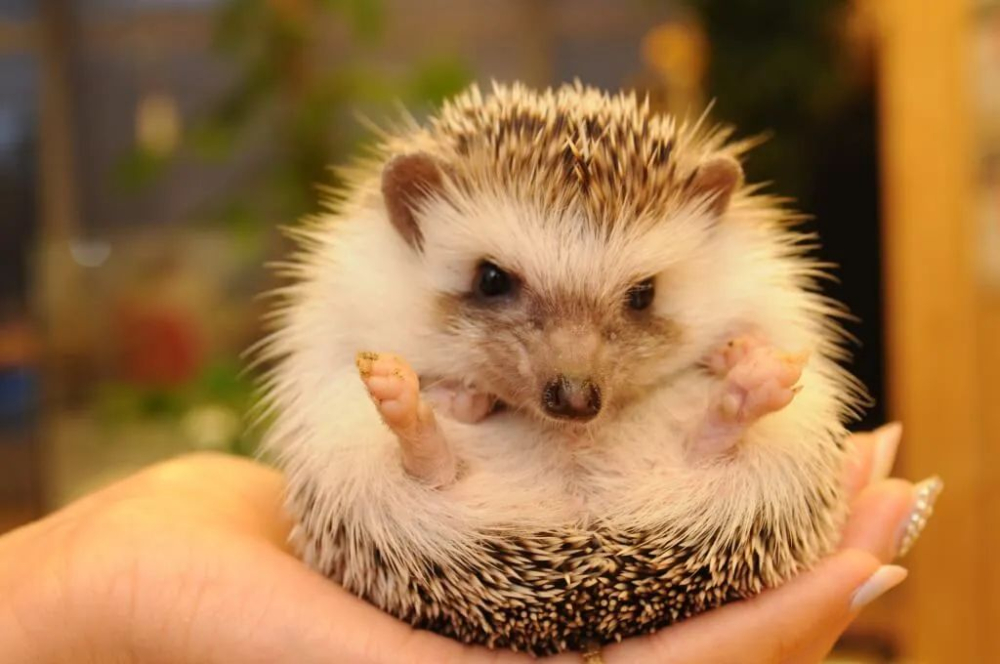
Data indicates that Japanese animal cafes housed a total of 3,793 animals from 419 species, with birds accounting for as much as 62% (particularly owls, which made up 40%), reptiles for 21%, and mammals for 15%. Common four-toed hedgehogs, for instance, were kept in 55 shops totaling 245 individuals, while northern white-faced owls and barn owls—which require special export permits—were also widely found.However, there were very few cases of legal imports, and Japanese customs repeatedly uncovered smuggled endangered primates, suggesting that some animals may have come from illegal sources.
Beyond Japan, wildlife cafes are also prevalent in South Korea and Thailand. These venues allow customers to interact closely with animals but result in severe welfare problems:Cramped spaces, lack of hiding spots, and being forced into 24-hour interactionhave led to issues such as obesity, malnutrition, and chronic sleep deprivation among the animals. Wildlife, suddenly confined, often develop depression or aggressive behavior, yet these symptoms are frequently misinterpreted as “natural ferocity,” further reinforcing humans’ curiosity-driven consumption mindset.

As the number of animal cafes increased, previously rare animals such as raccoons and owls began appearing frequently on the streets, sparking public concerns about their origins and potential abandonment. Netizens have accused some operators of effectively engaging in disguised abuse to cater to entertainment demands, and after cafe closures, animals are often abandoned or even abused. These animals may also carry pathogens that threaten public health safety.
Faced with public pressure, South Korea’s Ministry of Environment announced last year that it would legislate to ban the display of wild animals in non-zoo settings. After a grace period of three to four years, private businesses including wildlife cafes will be required to cease operations, and the relevant animals will be transferred to institutions such as national ecological parks for care.If this bill is passed, it will be the first comprehensive regulation in Asia targeting the sources and display methods of animals in animal cafes.
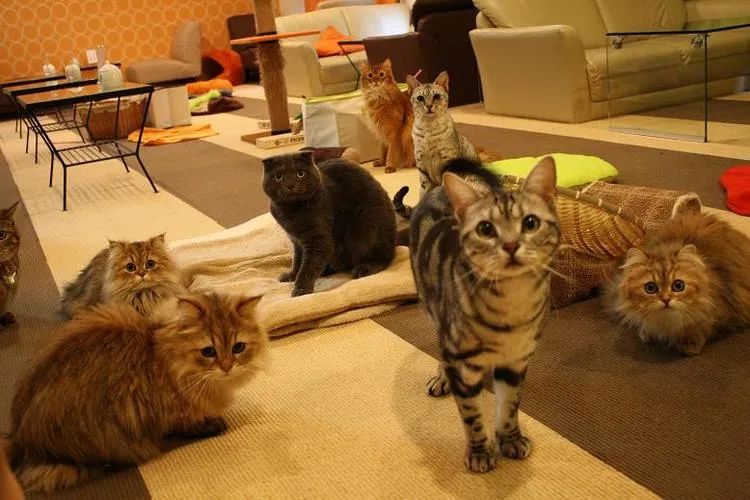
In contrast, although Japan has seen civil groups continuously filing complaints and launching petitions with over 300,000 signatures demanding stricter management, the government has yet to introduce specific regulations. Current oversight is limited to passive investigations of reported cases and lacks clear animal welfare standards, resulting in limited improvement.
This wave of animal cafe popularity ultimately highlights the crucial role of consumer choices: when the “healing economy” overshadows ethical responsibility, every like and purchase contributes to the promotion of illegal trade and animal exploitation. From choosing reputable pet stores to rejecting novelty animal experiences, public awareness is the fundamental force that can drive change.
The above content is compiled by CoffeeHunters, a coffee news website.


