







Introduction:In 2023, an intriguing cross-industry phenomenon emerged in Guangdong: coffee made its way into traditional herbal tea shops. This seemingly unlikely pairing not only caters to the younger generation’s craving for coffee but also addresses the elders’ concern about “excessive internal heat.” This article delves into the social psychology and market motivations behind this cross-marketing trend, analyzes the blending of Eastern and Western beverage cultures, and debunks the common myth of whether “coffee causes internal heat,” offering practical drinking advice.
In Guangdong, with its humid and hot climate, “heatiness” and “internal heat” are perennial concerns among the older generation. Yet, despite such traditional beliefs, the younger generation’s reliance on coffee remains unwavering. Against this backdrop, a new phenomenon has emerged — coffee bars set up inside herbal tea shops, starting to sell coffee. This arrangement not only skillfully resolves the dietary value conflicts between two generations but also successfully attracts consumers from diverse backgrounds.
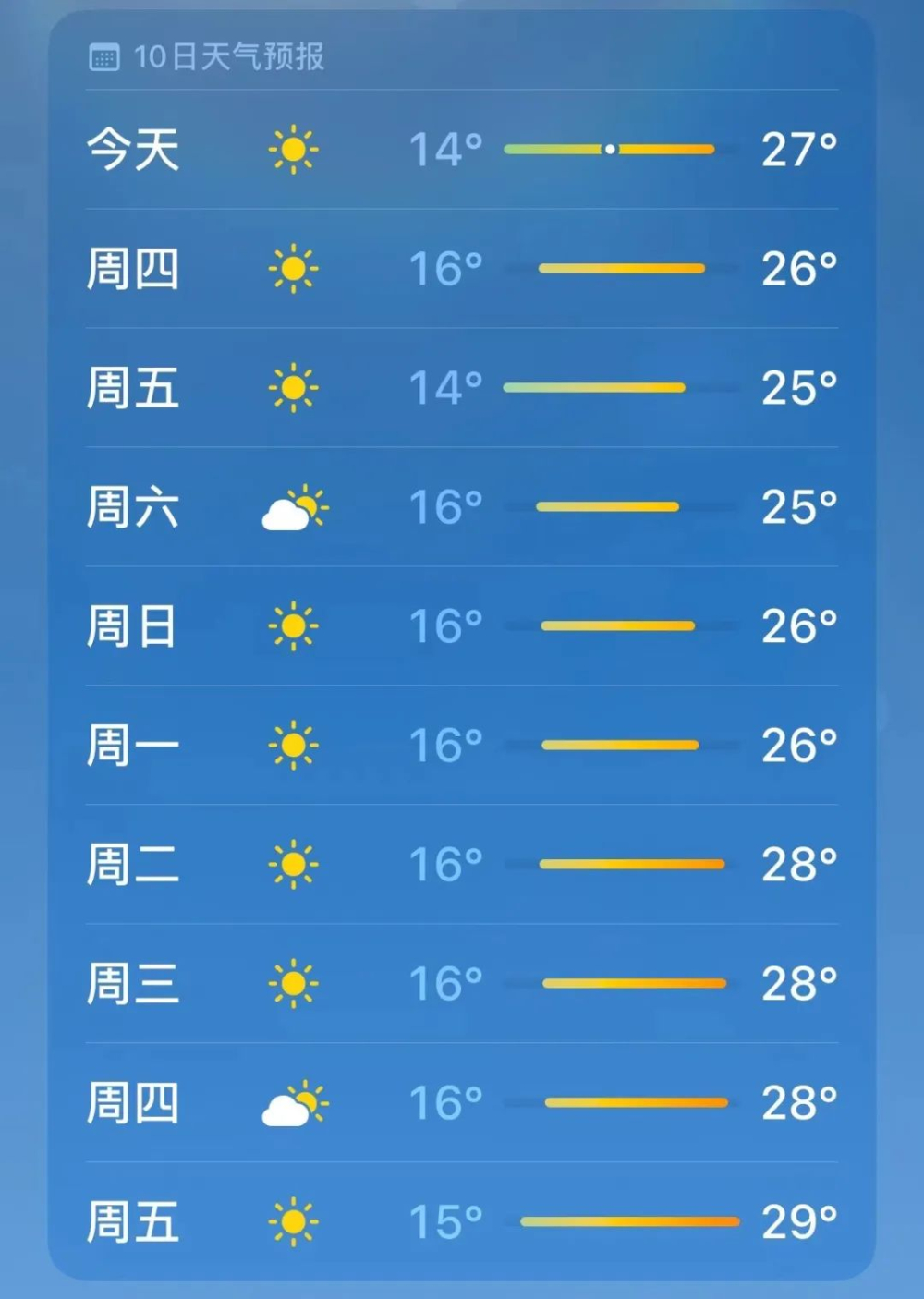
Take the weather in Guangdong in March as an example: the temperature difference between day and night can be as high as 13°C, swinging from warm sunshine to sudden chills, making the body prone to conditions like “mouth ulcers” or “acne” due to drastic climate changes, often attributed to “internal heat.” Parents often caution: “Don’t drink too much coffee — it’s damp, hot, and causes internal heat!” But modern professionals have fast-paced lives, and coffee has long become an indispensable pick-me-up. Thus, a win-win solution arises — bringing coffee into herbal tea shops.
This way, consumers can tell their families, “I’m going to the herbal tea shop to buy a drink,” rather than just heading to a traditional coffee shop. For the elders, their children are still going to a “herbal tea shop,” which is more psychologically acceptable. If there’s still worry about internal heat, having a cup of herbal tea after coffee becomes the perfect follow-up. Some shops even offer promotions like “buy five coffees and get one herbal tea free,” satisfying both the need for energy and wellness.
However, some shop owners admit that for now, they’ve only temporarily set up coffee areas within their parents’ herbal tea shops, with plans to open standalone coffee outlets in the future. But observers believe that setting up a bar directly inside the herbal tea shop can not only save on rental costs but also create a more buzz-worthy consumption scene, attracting more attention.
In recent years, many coffee shops have also popularly chosen locations in old pharmacies or former herbal tea shops, even decorating their interiors to mimic the style of traditional Chinese medicine shops, creating a nostalgic and cultural atmosphere. The vintage charm and approachable image of herbal tea shops naturally appeal to the younger crowd. Through this fusion of space and culture, coffee gains a more diverse stage to shine, while more people get exposed to traditional Chinese medicine culture, fostering a two-way cultural exchange.

This cross-industry combination doesn’t actually require adding Chinese herbs into coffee to spark the newer generation’s interest in health and wellness. In fact, hastily launching “herbal-infused coffee” creative drinks carries considerable risk. The flavor complementarity and compatibility between Chinese herbs and coffee are highly nuanced — it’s not just about understanding each herb’s properties, but also evaluating whether its taste is too overpowering and might mask the original aroma and complexity of the coffee. More importantly, whether the overall taste of the herb-coffee combination will be accepted by the public requires repeated testing and adjustment.
Over the past year, many shops have attempted to mimic “herbal-infused coffee,” but due to a lack of professional knowledge and blending experience, the results have often been underwhelming, even sparking skepticism and rejection of such drinks among consumers. After all, Chinese herbs possess medicinal properties, and improper use can lead to physical discomfort, with side effects that not everyone can tolerate. Therefore, if one really wants to operate a coffee section within a herbal tea shop, it’s advisable to focus on offering widely accepted and flavor-stable coffee products — ones that are safe and meet basic needs, especially since herbal tea options are readily available nearby.
Finally, let’s address a common myth: does drinking coffee really cause internal heat or worsen dampness? The answer isn’t so straightforward. In fact, many people who feel “heaty” or “damp-heavy” after drinking coffee may actually be experiencing dehydration. Coffee has a diuretic effect, which can accelerate the body’s loss of fluids. Once water intake is insufficient, signals of dehydration — such as a dry throat or tight skin — can resemble the so-called symptoms of “internal heat” or “excess dampness.” Therefore, it’s recommended to drink an appropriate amount of water after coffee, perhaps just a few extra sips of plain water, to effectively alleviate discomfort.
In summary, the 2023 phenomenon of “herbal tea shops selling coffee” in Guangdong is not just an innovative marketing tactic, but also reflects the blending of youth and tradition, as well as Eastern and Western food cultures. This cross-industry combination not only satisfies diverse consumer needs but also provides the industry with fresh directions for thought.
The above content is compiled by CoffeeHunters, a coffee news website.


