







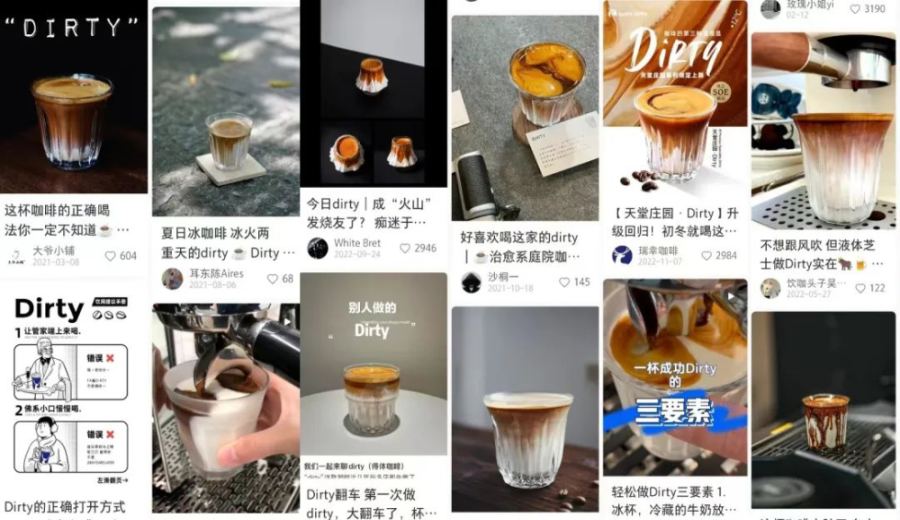
Introduction:Dirty coffee, with its layered temperature contrast and distinctive visual appeal, has evolved from an internet-famous drink in 2018 to a staple on the menus of specialty coffee shops. This article delves into the origins, technical characteristics, and market impact of Dirty coffee, exploring how it has become a dual representation of consumer taste and barista craftsmanship—thanks to enhancements from ice-bucked milk and the minimalist combination of coffee and milk.
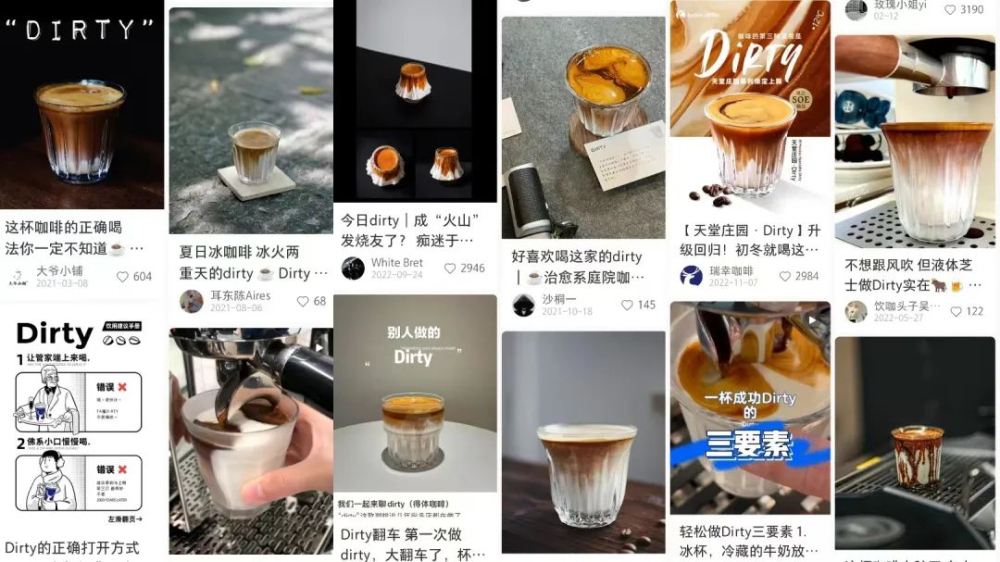
Since 2018, Dirty coffee has sparked a craze in the Chinese market. Unlike other short-lived internet trends, it has remained firmly on the menus of many specialty cafes, nearly rivaling the classic latte in prominence. On the social media platform Xiaohongshu, there are over 200,000 posts about Dirty coffee, with related hashtags each garnering more than 5 million views, reflecting its enduring popularity and high consumer interest.
Dirty coffee was created by Japanese barista Masayuki Tanaka and was first introduced in 2009 at Bear Pond Espresso in Kita-Shimizuzawa, Tokyo, where it appeared on the menu as “B.P Dirty.” The standout feature of this drink is the direct pouring of hot espresso over ice-cold milk, creating a visually striking layered effect due to the temperature difference, along with a unique sensory experience of hot meeting cold.
Although the Chinese name “Dirty” gained widespread use later, the concept dates back to 2014 at a café in Beijing, initially inspired by Hong Kong baristas and considered a niche experiment. As the number of specialty coffee shops in China grew, the technique of directly “colliding” espresso with ice-cold milk gradually spread among baristas, giving rise to various Chinese names such as “琥珀” (“Amber”), “汙” (“Filth”), “白夜” (“White Night”), and “髒咖啡” (“Dirty Coffee”). This wave of “dirty culture” peaked between 2018 and 2019, during which Dirty coffee emerged as a notable internet-famous drink.
What truly set Dirty apart was Masayuki Tanaka’s signature espresso recipe—“Angle Stain (Angel’s Stain).” He insisted on using a bottomless portafilter to observe changes in the flow rate and color of the espresso visually, gauging the extraction status. This method leaves tear-like streaks on the cup’s inner wall, not only creating a unique visual but also causing the espresso to descend slowly. Using a double shot of “Angle Stain” with dark roast, high coffee dose, low extraction yield, and extremely high concentration, the Dirty’s layered effect can be maintained for a long time even without pre-chilling the cup. Interestingly, this original Dirty did not gain widespread popularity in Japan but was instead favored and imitated by cafes in Hong Kong and Thailand.
Dirty’s breakout success in the market is not only due to its visual and sensory appeal but also the promotion of “Ice-Bucked Dirty.” Ice-bucked milk is concentrated milk produced through a freezing purification process, which increases its fat and protein content, resulting in a richer mouthfeel. When this high-quality milk is combined with hot espresso, it amplifies both the aroma and intensity of the coffee and milk, meeting the dual expectations of consumers who love bold milk coffees for both texture and flavor.
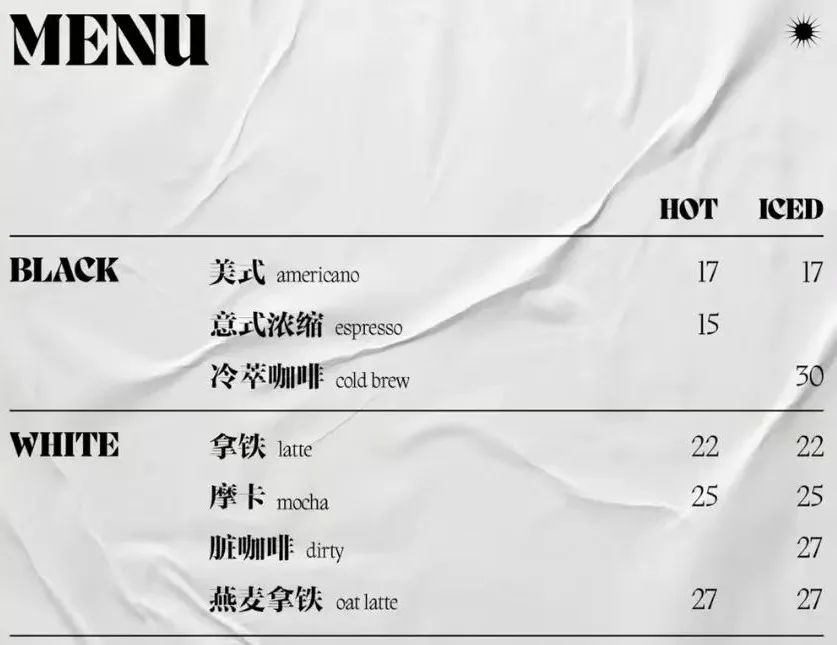
Among the many creative specialty coffee drinks, Dirty stands out with its unique charm—it returns to the basic combination of coffee and milk but, through stringent requirements on ingredients and technique, showcases the core values of specialty coffee. Many specialty drinks on the market are often mere extensions of “milk coffee +,” with added syrups or decorations that sometimes obscure the coffee’s inherent flavor. In contrast, Dirty, with its simple composition, demands higher standards for coffee bean quality, extraction parameters, and milk selection, allowing consumers to truly appreciate the essence of coffee when tasting it.
The continued popularity of Dirty coffee is not just because of its eye-catching appearance and novel drinking experience but also reflects consumers’ pursuit of coffee quality and advancements in market techniques. From its Japanese origins to imitations in Hong Kong and Thailand, and then to localization and standardization in China’s specialty coffee scene, Dirty has become one of the key beverages symbolizing the maturation of China’s coffee market and the elevation of consumer taste.
The above content is compiled by CoffeeHunters, a coffee news website.


