







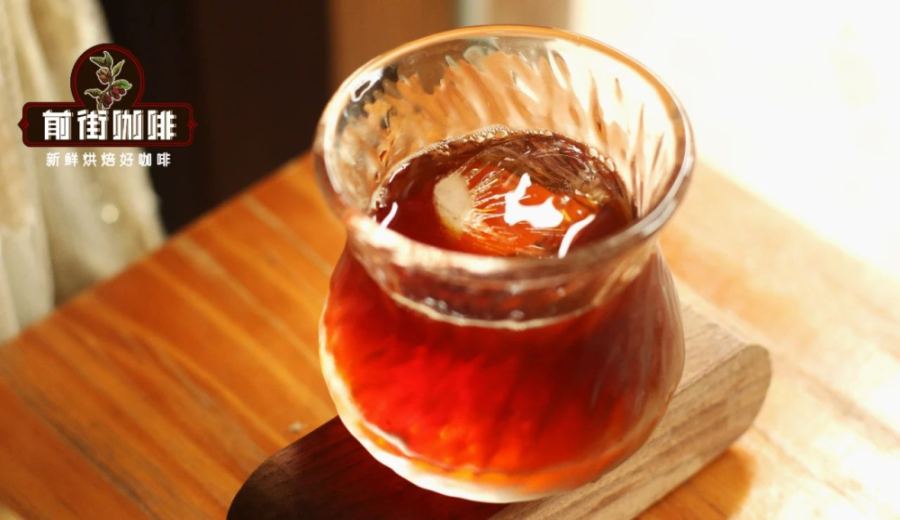
Introduction:The same coffee beans, when brewed with hot water versus cold water, can reveal vastly different aroma profiles and flavor layers. Understanding the fundamental differences between hot pour over and cold pour over can help you choose the brewing method that best brings out the potential of your beans based on their roast level and variety characteristics. This article delves into the flavor profiles of both hot and cold pour over methods and offers practical advice to help you easily find your personal favorite.
The same coffee beans, simply by using different brewing water temperatures—hot or cold—can create significant differences in both aroma and taste. Hot pour over tends to bring out more pronounced coffee aromas such as nuts, caramel, and even chocolate notes; whereas cold pour over often results in more restrained aromas while highlighting fruity, floral, or subtle fermented wine-like nuances. These differences are not only related to water temperature but are also closely tied to the roast level and inherent characteristics of the coffee beans.
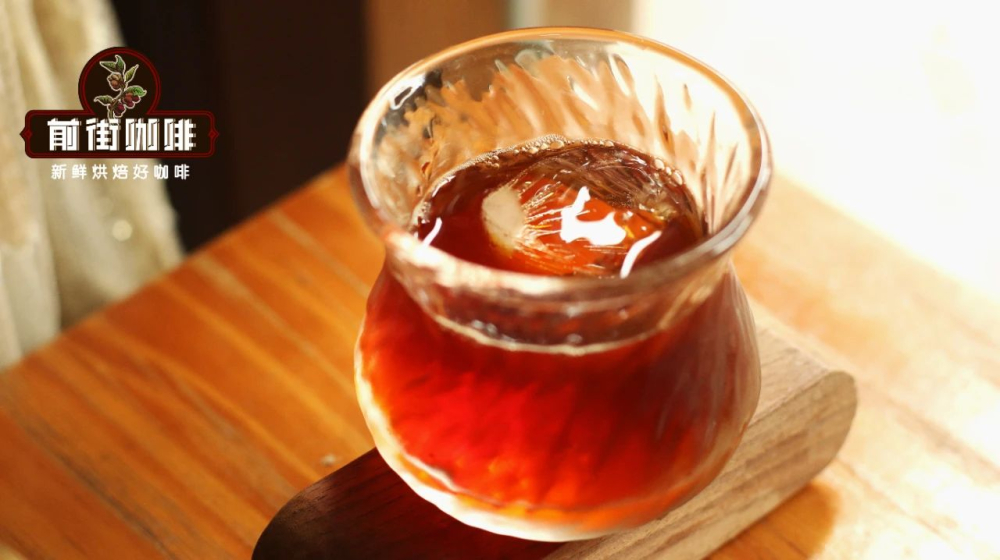
Take dark roasted coffee beans as an example: under hot pour over conditions, they often fully express intense nutty aromas and distinct caramel sweetness—flavors that are more easily released at higher temperatures. However, when cold water is used for extraction, the originally strong aromatic expression of dark roasts becomes more subdued, shifting instead toward a more understated yet captivating fermented wine or chocolate aftertaste, resulting in a more reserved and mellow flavor profile.
If you prefer an ice pour over coffee with floral characteristics, it’s recommended to choose beans with a medium roast level, such as the commonly found “strawberry candy” flavor beans. These types of beans usually exhibit gentle aromas of rose, grape, and fruit candy under cold brew conditions, delivering a refreshing and layered flavor experience. Additionally, if you’re seeking an ice pour over with a juicy mouthfeel and balanced acidity and sweetness, competition-grade varieties like Colombian Geisha are also an excellent choice, offering bright fruit notes such as passion fruit, grape, and apricot.
For those who don’t enjoy excessive acidity and instead prefer a richer, fuller-bodied taste, medium-dark roasted coffee beans are a more suitable option. Examples include Indonesia’s PWN Golden Mandheling and beans from Brazil’s Queen Estate—both known for their intense caramel aromas and stable, full-bodied flavors. Whether brewed via hot pour over or cold infusion, they both deliver rich sweetness and a solid body, making them ideal for coffee lovers who appreciate deeper flavor profiles.

The differences between hot pour over and cold pour over are not only reflected in aroma expression but also directly impact overall extraction efficiency and flavor balance. Generally speaking, hot water extracts acidic compounds and aromatic substances from coffee more quickly, so hot pour over coffee usually exhibits more noticeable acidity and bolder aromas. In contrast, cold pour over, due to the lower water temperature, requires a longer overall extraction time, which helps reduce the risk of over-extraction and allows sweetness and body to become more prominent.
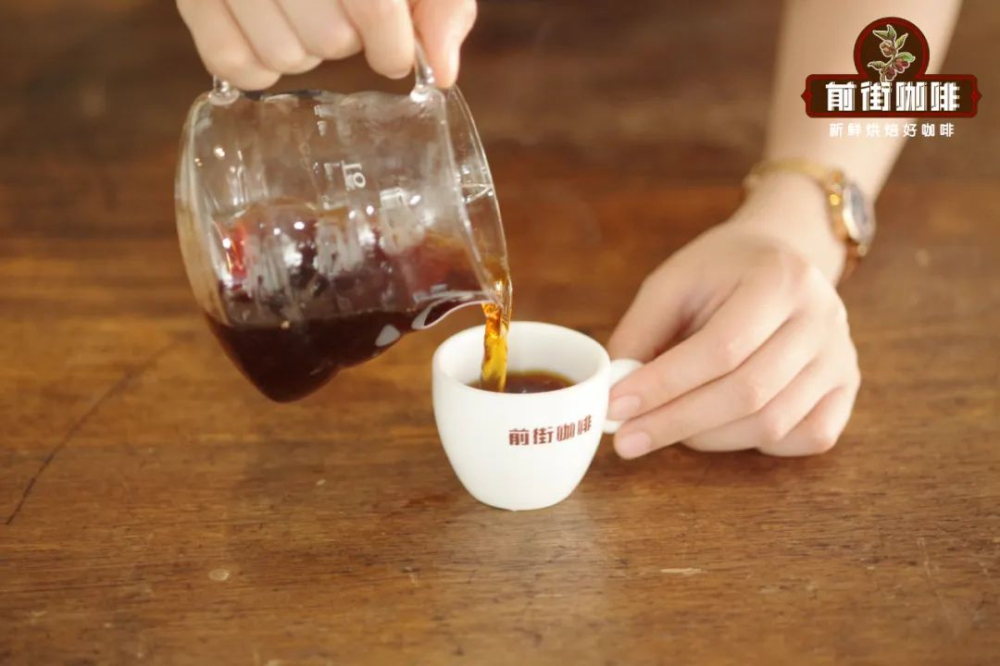
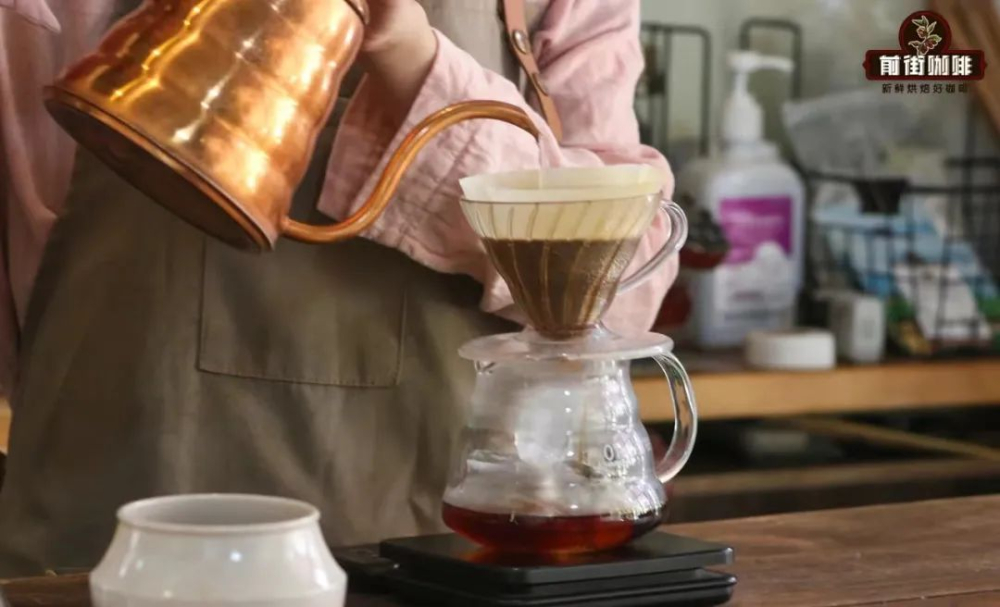
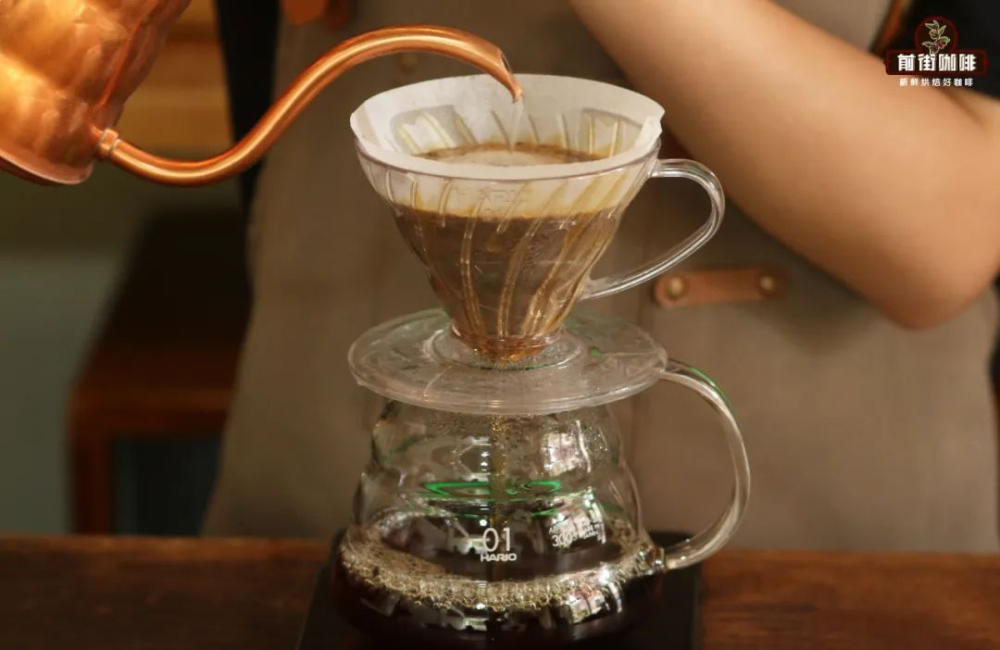
In practical operation, if you opt for hot pour over, it’s recommended to control the water temperature between 90°C and 94°C, using a medium-fine grind to facilitate full flavor release; whereas for cold pour over, it’s advisable to use a coarser grind, with water temperature around 85°C to 90°C, and to extend the extraction time (such as through cold drip or cold brew methods) to allow the coffee flavors to slowly emerge, thereby avoiding bitterness caused by over-extraction.
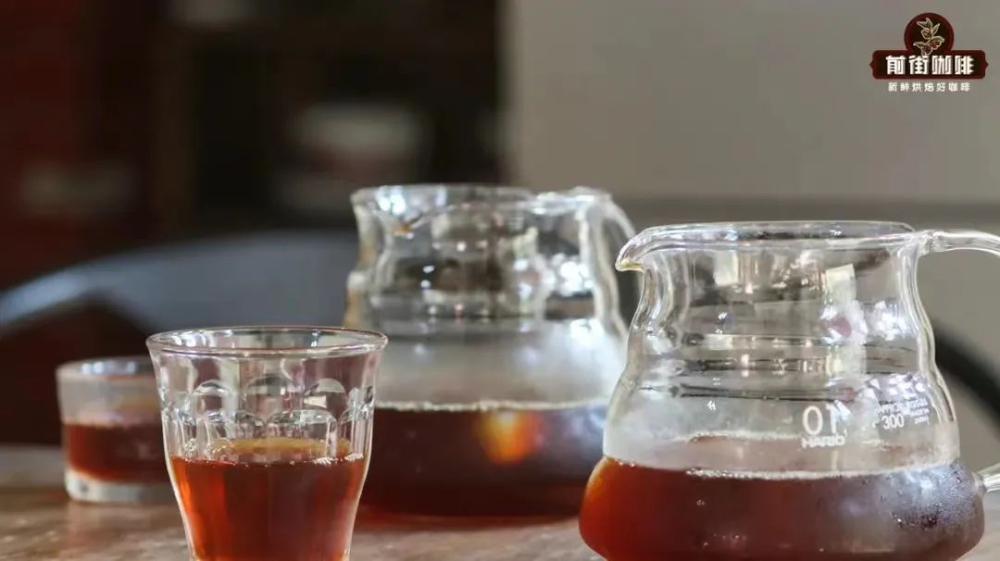
In summary, whether you prefer the bold intensity of hot pour over or the refreshing layers of cold pour over, you can choose the most suitable brewing method based on the roast level and variety characteristics of the coffee beans. Understanding these differences not only enhances your brewing skills but also enables each cup of coffee to reach its most captivating flavor potential.
The above content is compiled by CoffeeHunters, a coffee news website.


