







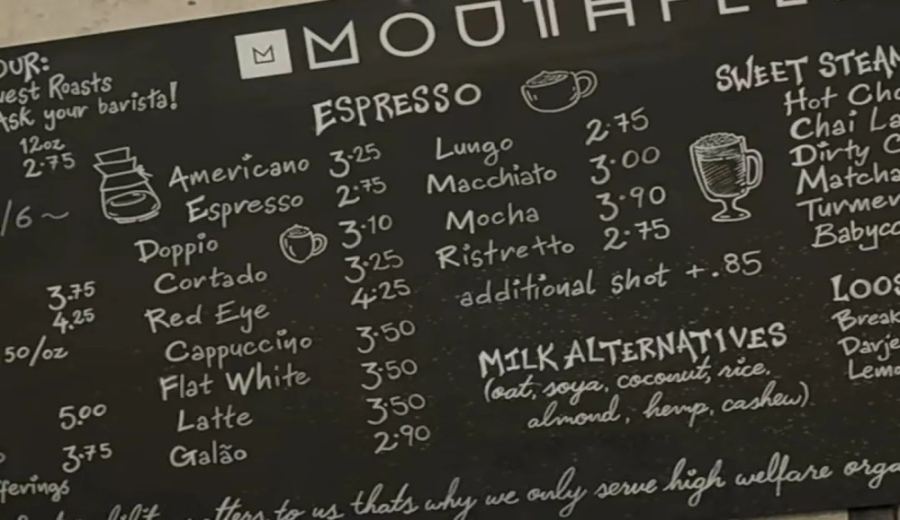
Introduction:Have you ever walked into a coffee shop just wanting to order a simple drink, only to be overwhelmed by a bunch of technical jargon? From roast levels to flavor descriptions, modern coffee shop menus are becoming increasingly refined—but they can also make many customers feel alienated. This article will help you understand why ordering coffee has become more complicated, offer practical tips to help newcomers easily choose a coffee that suits them, and explore the reasoning behind these industry design choices.
Walk into a café and try to order a simple cup of coffee, and you might be asked about your preferred roast level or flavor profile, or even have to choose from an extensive list of drinks. There was a time when all you had to say was “a cup of coffee,” but nowadays, you might be faced with detailed explanations ranging from single-origin beans to brewing methods. This shift leaves many customers who just want a drink feeling at a loss.
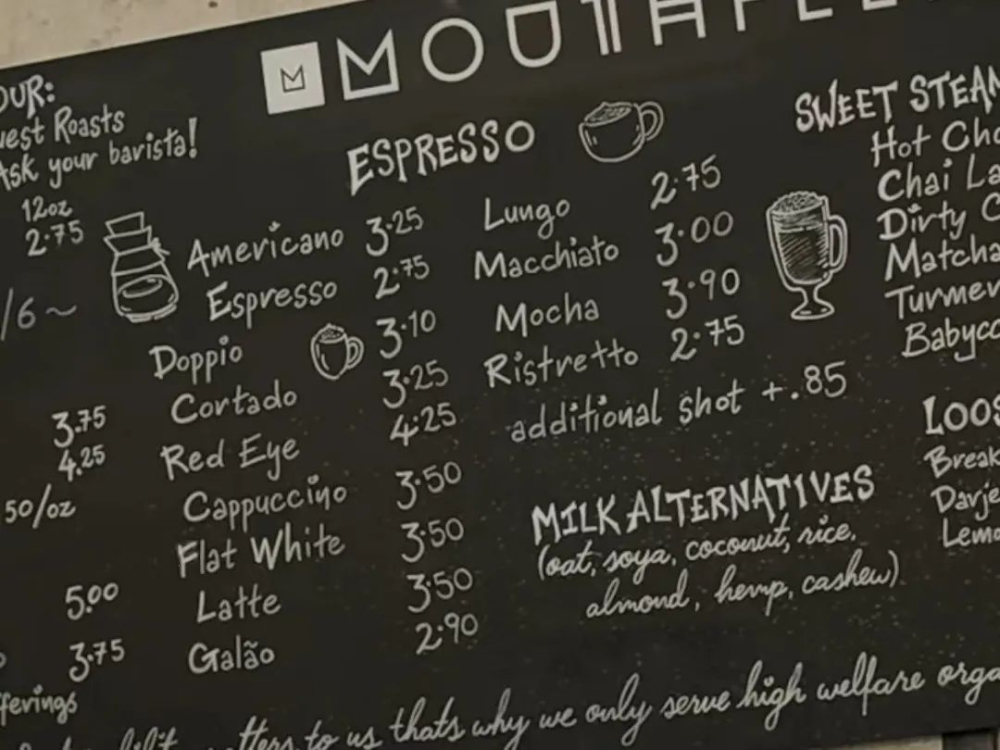
Imagine walking into a coffee shop wanting just an ordinary cup of coffee, only for the barista to start explaining what light-medium roast or medium-dark roast means, along with details like fruity notes and caramel aromas. You might find yourself thinking, “I just wanted a black coffee!” This trend—evolving from size-based categorizations (like Starbucks’ tall, grande, venti) to today’s detailed breakdowns of individual regional beans—has inadvertently raised the barrier to entry for consumers.
For coffee enthusiasts, being able to choose beans based on flavor, processing method, and roast level is a pleasure. But for those new to coffee who just want to quickly grab a pick-me-up, such menus can be off-putting. The menu might not even show the word “coffee” at all, instead listing various roast styles, origin details, or even recommending specific brewing methods, leaving customers utterly confused.

In fact, the coffee market is continuously expanding, attracting more and more consumers. However, if menu designs are too technical or complex, it can confuse the general public—or even drive them away. Some cafés don’t even directly list drink names on their menus; instead, they present options like “light roast pour over” or “medium roast cold drip.” While appealing to seasoned enthusiasts, such presentations act like an invisible barrier for beginners.
So why has ordering coffee become so complicated? On one hand, it’s because consumers’ pursuit of coffee quality and flavor has increased, and cafés are happy to offer more choices to meet diverse taste preferences. On the other hand, with the rise of the third wave of coffee, the concept of specialty coffee has gradually become mainstream—emphasizing origin, processing methods, roast profiles, and brewing parameters—resulting in a more diverse and professional-looking beverage menu overall.
But for the average consumer, it’s recommended to start with a few basic options: for example, choosing common drinks like “Americano” (usually espresso with added water), “Latte” (espresso with milk), or asking the barista if they have any black coffee made from “blend beans”—these are usually safer bets. If you want to try pour over coffee, you can also ask the staff to recommend an entry-level bean, typically medium roast with a more balanced flavor, suitable for first-timers.
In summary, the growing complexity of coffee ordering reflects the market’s diverse demands, but it also reminds businesses to strike a balance between professionalism and accessibility. For consumers, understanding some basic coffee terminology—such as roast levels (light, medium, dark), and common drink types (like espresso, Americano, Latte)—can help you order with more confidence and enjoy more of the pleasures coffee has to offer.
The above content is compiled by CoffeeHunters, a coffee news website.


