







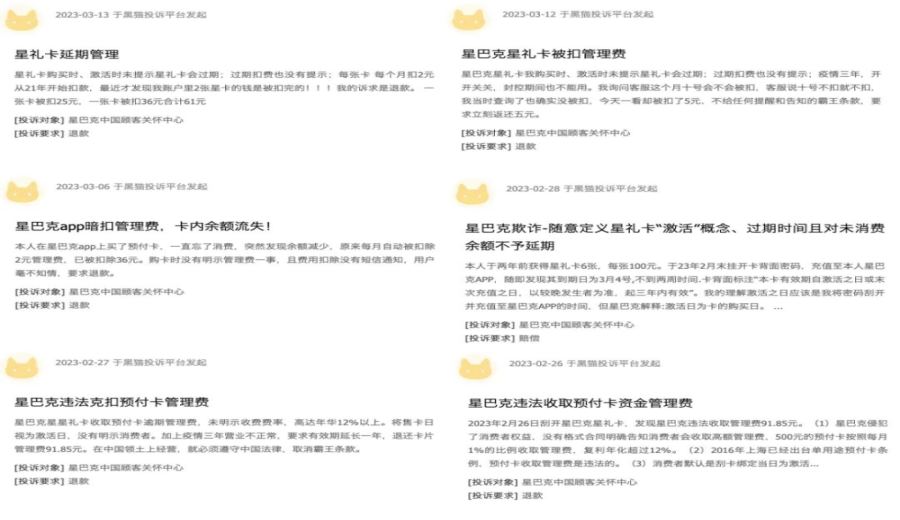
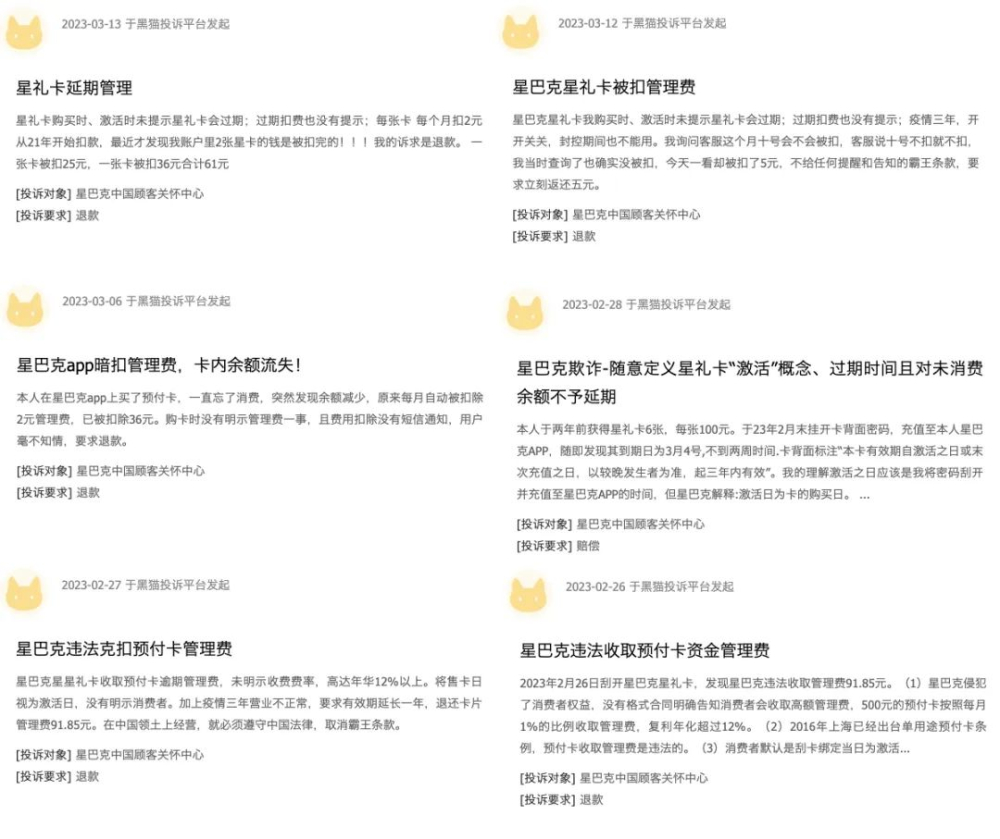
Introduction:The Starbucks Star Gift Card has drawn numerous consumer complaints due to its automatic deduction of a monthly extension management fee after expiration, coupled with a lack of clear notifications. Some users were even unaware of the deductions until they had been charged for 22 consecutive months. This article delves into the usage rules of the Star Gift Card, the definition of activation time, the fee deduction mechanism, and the issue of consumers’ right to know when using prepaid cards—helping readers avoid similar situations.
In recent years, Starbucks’ Star Gift Card has frequently been the subject of consumer complaints due to the automatic deduction of extension management fees after expiration and the lack of adequate prior notification. One user revealed that they only discovered, upon checking their account, that they had been continuously charged for as long as 22 months, with each deduction amounting to about 2 to 3 yuan, without receiving any prior notice. When contacting customer service, the response was that this practice complies with the “Starbucks Single-Purpose Commercial Prepaid Card Charter.”
The Star Gift Card is a type of prepaid consumption card that can be loaded with funds upon purchase and used to buy various coffees and merchandise either at Starbucks stores or online, and it can also be reloaded for continued use. However, many consumers have reported that once the Star Gift Card expires, the system will automatically deduct a so-called “extension management fee” from the remaining balance each month, without actively sending any fee deduction reminders, causing many to remain unaware for extended periods.
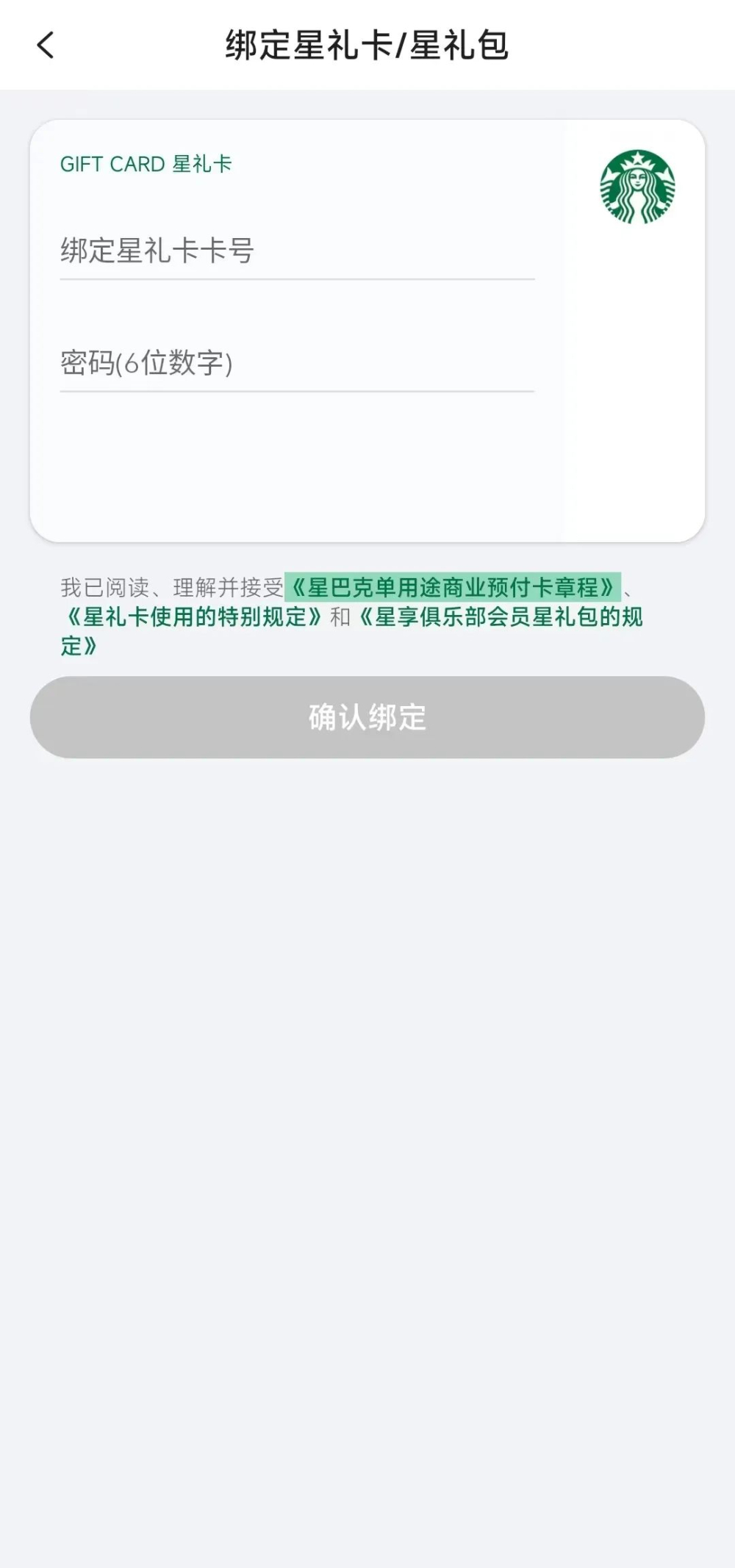
According to Starbucks’ official policy, the validity period of the Star Gift Card is three years from the “date of activation.” Once this period is exceeded and there is still a balance on the card, the extension management fee mechanism will be triggered, with a fee rate of 1% of the account balance, but a minimum charge of 2 yuan. Although this rule is clearly stated in the Starbucks app, official website, and mini-program—with relevant terms even highlighted in bold font—in the actual binding process, users are not required to actively read the terms. Simply clicking the confirmation button is considered as agreement to all content.
Many consumers have expressed confusion, believing that even if the rules are publicly available, the binding process lacks necessary confirmation steps—for example, not requiring users to read the terms before proceeding to the next step—which can easily lead to overlooking details in practice. Moreover, many people only complete the payment and login when binding the Star Gift Card, rarely reading each attached regulation in detail.
Beyond the fee deduction mechanism itself, another major complaint from consumers is that the Star Gift Card does not provide prominent expiration reminders or fee deduction notifications after expiration. Even after multiple extension management fees have been deducted, the card can still be used, making it even easier for users to overlook changes to their account. On the Black Cat Complaints platform, one consumer stated that they only suddenly realized their Star Gift Card had expired several months after being charged.
Another point of contention is the definition of “activation date.” Many consumers mistakenly believe that the “activation date” refers to the day they scratch off the card’s password and bind it to the Starbucks app. However, according to Starbucks’ official statement, the “activation date” actually refers to the day the card was purchased. The card typically does not display specific activation or expiration dates; it only notes on the back: “This card is valid for three years from the activation date or the last recharge date, whichever is later.” Such wording can easily lead to misunderstandings among general consumers, affecting their judgment of the card’s actual usable period.
Overall, although the extension management fee mechanism of the Star Gift Card is outlined in the terms, there are aspects in the actual operational process—such as the method of confirmation during binding, the labeling and reminders of the card’s validity period, and the definition of the “activation date”—that leave room for consumers to easily overlook or misunderstand. For the majority of users, it is recommended to pay close attention to the card’s validity period as soon as possible after purchasing and binding the Star Gift Card, and to regularly check changes in the account balance, to avoid having extension management fees deducted without their knowledge.
Although prepaid cards are convenient to use, they also come with certain risks. When choosing and using prepaid cards such as the Star Gift Card, consumers should stay vigilant, understand the relevant rules—especially those concerning validity periods, fee deduction mechanisms, and user rights—to better protect their own interests and avoid unnecessary losses.
The above content is compiled by CoffeeHunters, a coffee news website.


