







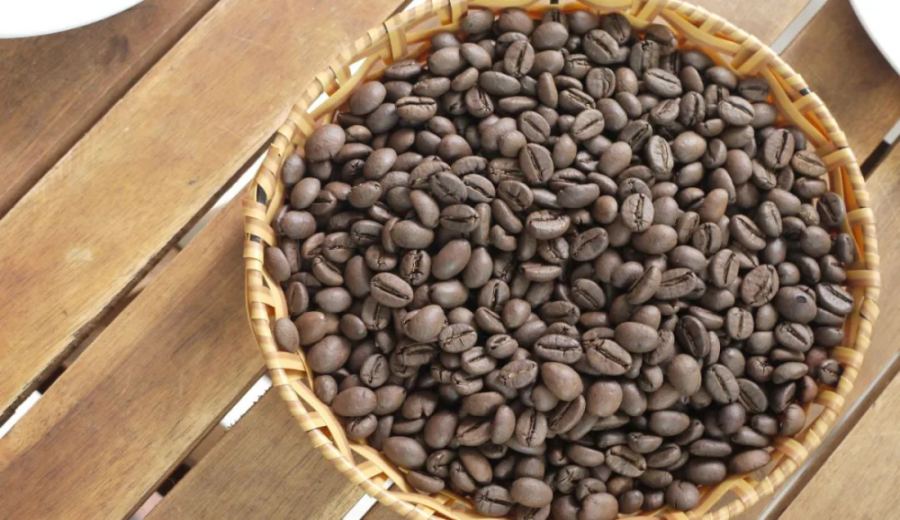
Introduction:Robusta has long been labeled as “cheap and bitter,” but in recent years, the specialty coffee community has discovered that high-altitude cultivation and anaerobic fermentation can unlock its potential. From world competition blends that include Geisha to win medals, to the emergence of single-origin anaerobically sun-dried beans, this disease-resistant variety is now showcasing surprising flavors such as barley tea and caramel. This article analyzes its technical breakthroughs and flavor evolution, taking you on a journey to rediscover the diverse possibilities of Robusta.
In the evaluation system of specialty coffee, Robusta has long been marginalized, often associated with low-altitude, extensive farming and intense bitterness. But in the past two years, this stereotype has been gradually shattered — a Vietnamese 1200-meter-high-altitude Robusta blend with Geisha helped a competitor secure fourth place in the World Barista Championship; global specialty coffee shops have started offering espresso blends containing Robusta, and even single-origin anaerobically sun-dried products have appeared.
Behind this shift are both the severe challenges climate change poses to Arabica and the inherent resilience of Robusta itself. Its genetically endowed strong resistance to pests and diseases, along with high caffeine content, have traditionally resulted in a bold flavor profile. However, when grown in high-altitude regions with significant day-night temperature variations, the plants produce less defensive chlorogenic acid, thereby developing a softer flavor spectrum.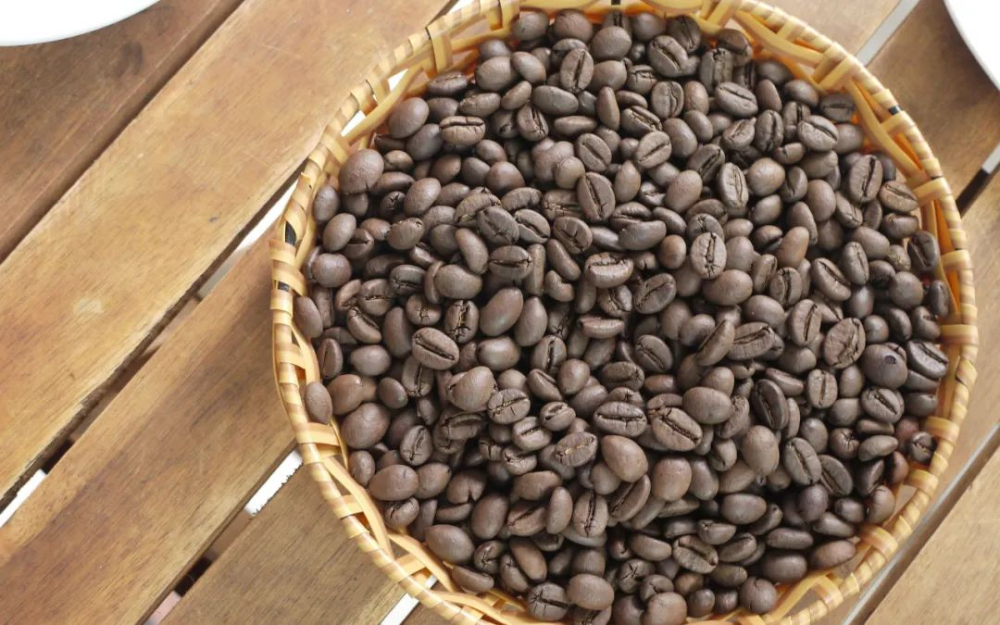
Robusta processed according to specialty Arabica standards can retain its rich, low-acidity characteristics while presenting a mellow base tone akin to barley tea, complemented by layers of flavors such as nuts, caramel, and even fermented fruit notes. The practices in Vietnam’s growing regions are particularly representative: coffee trees cultivated in basalt soil are carefully handpicked for ripe red cherries, which then undergo double clear-water washing to remove impurities before being placed in fully sealed anaerobic containers for an 8-day controlled fermentation process — during which the temperature is strictly maintained at 20–22°C and humidity controlled at 75%–80% to promote the activity of specific microorganisms.
The fermented coffee cherries are then transferred to African raised beds for drying over 25 days, during which they are turned 3–4 times daily to ensure even drying until the moisture content is reduced to the safe storage standard of 11%–12%. A representative from a Vietnamese green coffee bean supplier noted: “The high-altitude environment suppresses excessive accumulation of chlorogenic acid, and when combined with the fruity compounds released through anaerobic processing, the final product delivers the richness of dark chocolate alongside a refreshing berry-like finish, with a consistent nutty tone running throughout the overall flavor profile.”
Practical applications in specialty coffee shops also confirm its market potential. Multiple shops that emphasize stable espresso flavor have reported that Robusta-blended beans can provide a longer-lasting and richer crema than Arabica, and are less affected by seasonal flavor fluctuations.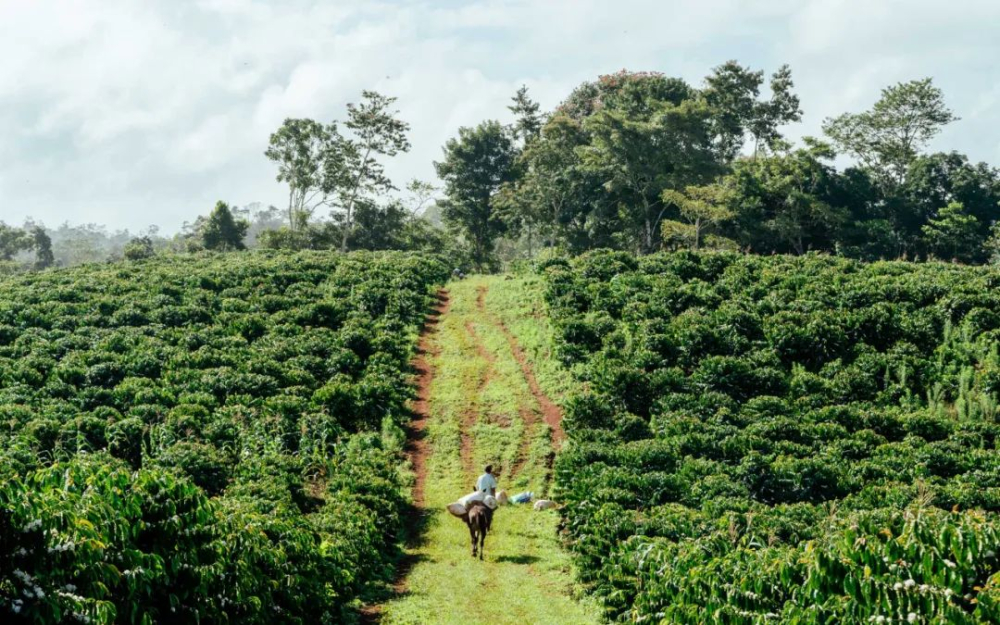 “Consumers often care more about whether a cup of coffee can consistently deliver a stable experience,” one industry insider analyzed. “Especially now, with extreme weather frequently impacting Arabica-growing regions, Robusta’s reliable performance becomes an important complement.”
This trend reveals a core shift: the definition of specialty coffee is moving from varietal superiority to overall quality control. When high-altitude cultivation, refined post-processing, and innovative techniques come together, even traditionally deemed “second-tier varieties” can break free from their conventional constraints and showcase a complexity and drinking pleasure that can rival top-tier Arabica.
The above content is compiled by CoffeeHunters, a coffee news website.


