








Introduction:As consumption upgrades in China’s third-, fourth-, and fifth-tier cities as well as county-level markets, Starbucks has gradually expanded into these regions. Although it currently maintains a fully company-owned model without franchising, its efforts to penetrate lower-tier markets continue to accelerate. This article provides an in-depth analysis of the strategic background behind Starbucks’ move into county-level cities, the reasons behind local coffee consumption trends, and the brand’s appeal and growth prospects in town and county markets.
Currently, Starbucks still adopts a fully company-owned business model in the Chinese market and has not opened up franchising to third parties—all stores are directly managed by the brand. However, in recent years, Starbucks China has continuously increased its presence in third-, fourth-, and fifth-tier cities as well as towns and counties, gradually expanding its market footprint. From being once limited to first- and second-tier cities, to now entering small counties in southern Jiangsu, East China, and other regions, Starbucks’ every move in these towns and counties has drawn considerable attention.
The return of many young entrepreneurs to their hometowns has driven the rise in local consumer power, transforming what were once seen as “coffee deserts” into areas increasingly dotted with coffee shops. In this trend, Starbucks often becomes the first or most representative international chain brand in these areas, and each of its expansions sparks lively discussion.
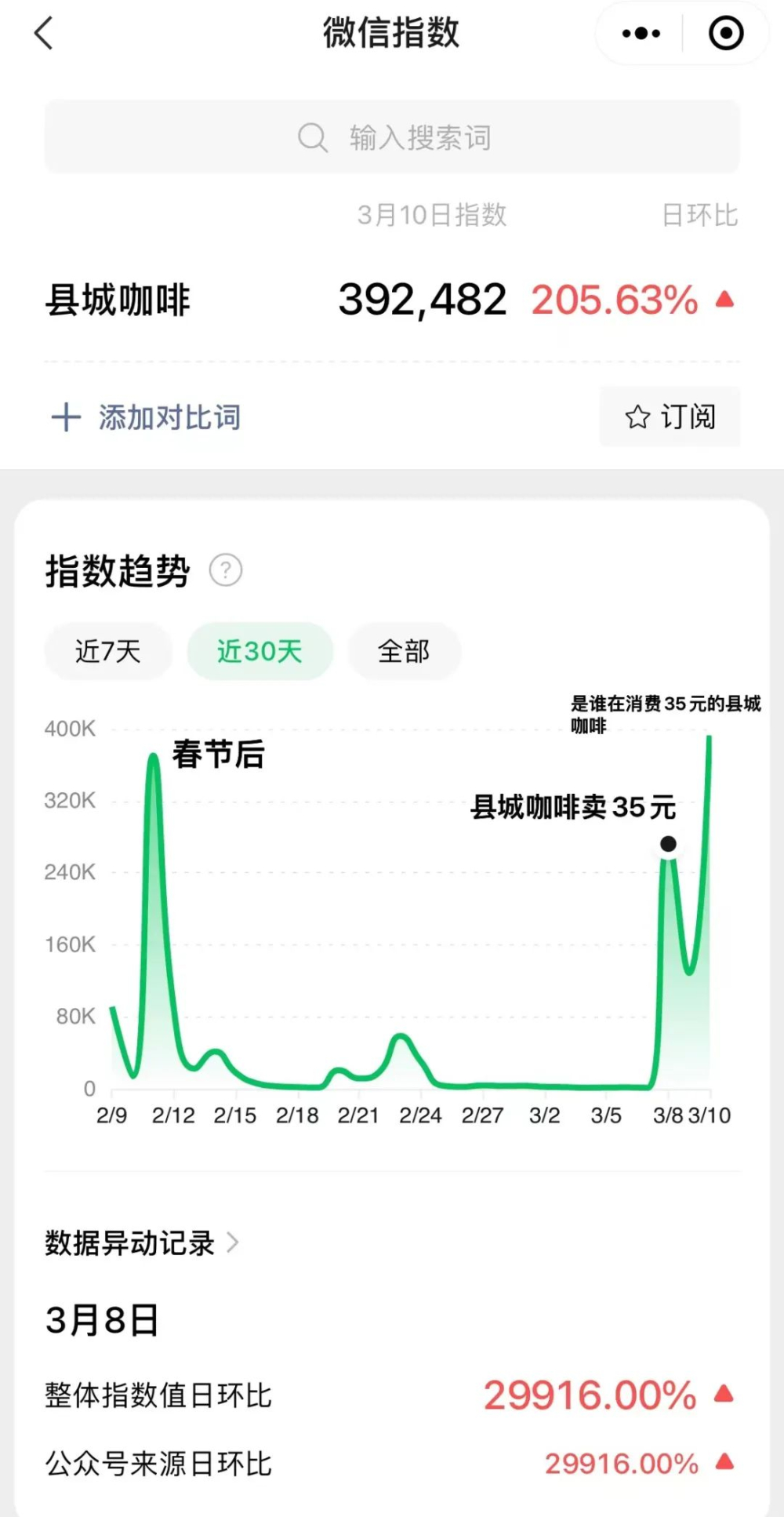
Why has the number of coffee shops in county-level cities increased rapidly in recent years? In the past, due to limited purchasing power, low acceptance of coffee flavors, and relatively low demand for “cultural or artistic consumption,” the county market was long overlooked. However, with the gradual popularization of the specialty coffee concept, more affordable pricing, and the influx of returning young people bringing new consumption trends, the coffee market in county-level cities has quietly taken shape.
Many young people who return to their hometowns after working in big cities not only start independent coffee shops, but also bring urban coffee habits back home. Their own reliance on coffee also gradually leads family and friends to accept and enjoy the beverage. Additionally, with local economic development and rising disposable income, residents’ demand for leisure, socializing, and personalized consumption has also increased—coffee shops perfectly meet the needs of such scenarios.
So why does Starbucks still stand out among the many local and chain coffee brands? Many netizens have shared their genuine feelings: “I used to think my hometown was backward, but after Starbucks came, it felt like we’d caught up with the times.” “In the county, Starbucks is not just a place to drink coffee—it’s also a social space for friends to gather and relax.”
For many residents of county-level cities, Starbucks represents a “symbol of progress.” Even though its prices are still higher than those of local beverages, the brand’s recognition, comfortable environment, and consistent quality make it the preferred choice for many when trying specialty coffee for the first time or for social gatherings. Especially in places lacking international brands, Starbucks’ presence is often seen as a reflection of local development.
Starbucks’ development potential in county-level markets mainly stems from the alignment between its “third place” positioning and the local need for social interaction. Compared to big cities, where coffee has become a daily pick-me-up, residents in county-level cities still view coffee shops as important venues for friend gatherings, family leisure, and even business meetings. The comfortable seating, stable Wi-Fi, and consistent brand experience offered by Starbucks perfectly meet these needs.
Senior executives at Starbucks China have also pointed out that consumers in county-level markets place more emphasis on the social attributes of coffee shops rather than just the functional aspect of the drink. This explains why, even when pricing is not absolutely competitive, Starbucks can still win the favor of county residents. For many first-time coffee drinkers, brand reputation and the ambiance often hold more appeal than taste alone.
In summary, although Starbucks has not yet opened franchising, its fully company-owned model ensures consistency in quality and service, and allows the brand to maintain a premium image in lower-tier markets. With the rise in consumption power and social needs in county-level cities, Starbucks’ presence in these regions still holds long-term development potential. For those observing trends in the Chinese coffee market, Starbucks’ every step in the county-level market serves as an important indicator of future consumption trends.
The above content is compiled by CoffeeHunters, a coffee news website.


