








Introduction:Do you often feel at a loss when faced with a coffee bean you’ve never brewed before? This article provides a practical pour over framework that teaches you to start by categorizing roast levels, quickly determine the bean type through flavor descriptions and bean color, and apply corresponding brew ratios, water temperatures, and grind sizes. Even beginners can consistently extract ideal flavors this way. By simplifying parameters and then refining them step by step, it helps you build a flexible and efficient brewing mindset.
When you’re presented with a coffee bean you’ve never worked with before, how can you quickly design a suitable pour over extraction plan? The key lies in establishing a concise yet practical basic framework that allows you to make reasonable judgments and adjustments when facing various unfamiliar beans.
This article will guide you to start with the most fundamental roast level classification, establish several highly versatile pour over parameter sets, and then determine which roast type the bean belongs to by observing its flavor description and external appearance. From there, you can apply the corresponding brewing strategy. Even without experience, you can use this method to consistently extract the inherent flavor characteristics of the bean.
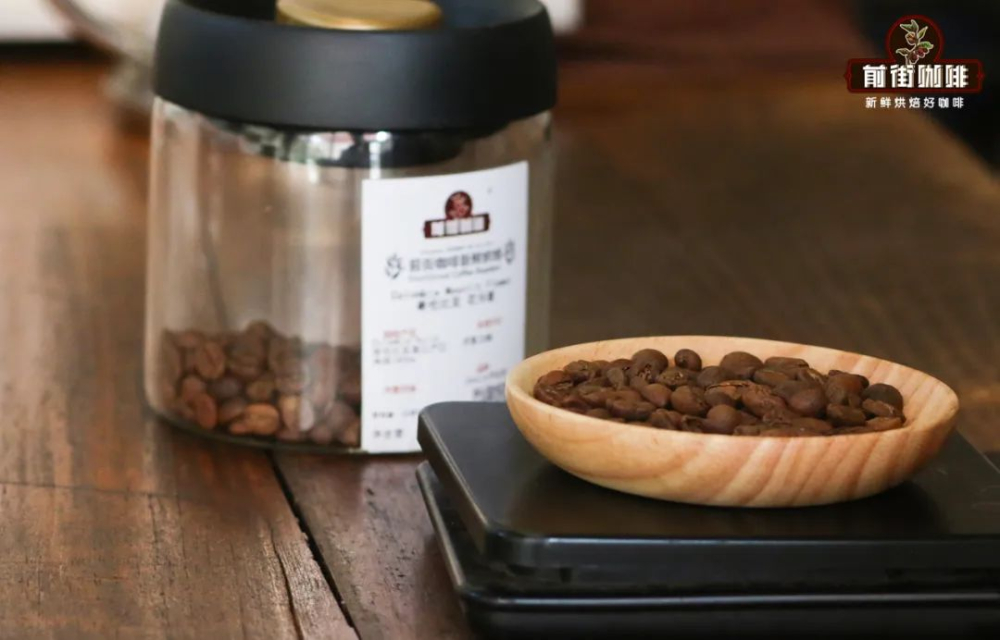
First, it’s recommended that you simplify your pour over framework as much as possible. Everyone has their own thought process for brewing, and the complexity of these processes directly affects the efficiency of your brewing plan design. Some people prefer to create a complete process tailored to each individual bean, while others opt to categorize beans and use just a few parameter sets to handle most situations.
The most pragmatic approach is to focus on the variables that have the greatest impact on flavor—such as water temperature, grind size, brew ratio, and filter choice—and keep other parameters like coffee dose and pouring technique consistent. This reduces decision-making pressure while still leaving room for adjustments. For example, you could fix the dose at 15 grams, use a 1:15 brew ratio, and maintain the same pouring rhythm, only adjusting water temperature, grind coarseness, and filter type based on the roast level of different beans.
This way, when you encounter an unfamiliar coffee bean, you only need to determine its roast level and can quickly apply the corresponding parameter set, without having to start from scratch.
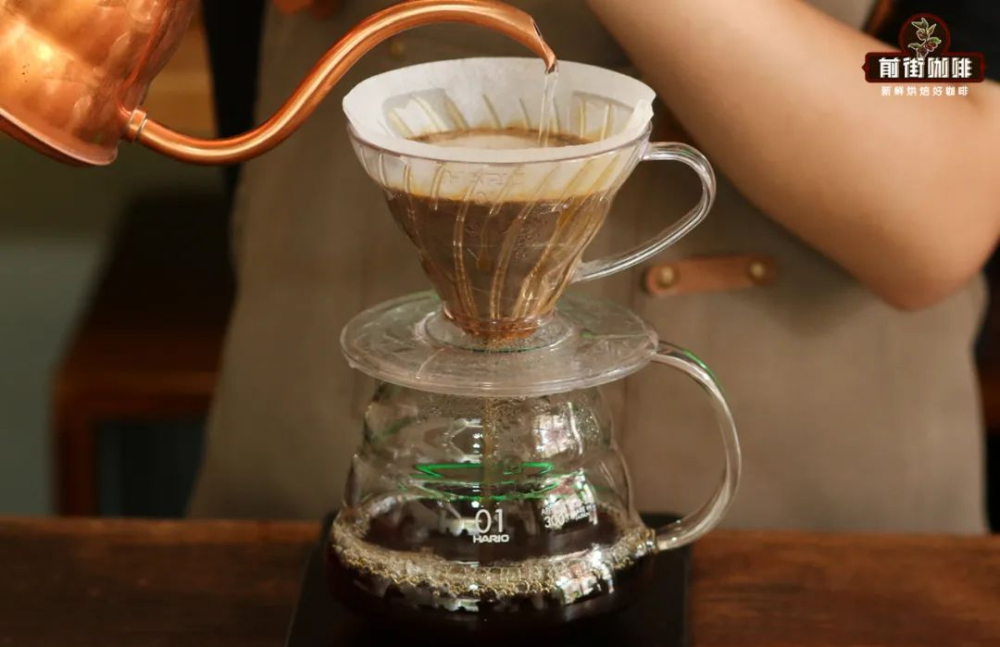
Next, let’s talk about how to determine the roast level of an unfamiliar coffee bean. The most intuitive method is to check the flavor description on the packaging. If the label includes words like floral, citrus, or berries—terms associated with bright acidity—then the bean is likely a light roast. Conversely, if the description frequently mentions nuts, chocolate, caramel, or intense sweetness, it’s usually a medium-dark or dark roast.
If the packaging doesn’t provide enough flavor information, then observing the color of the coffee beans is also a reliable way to judge. Lightly roasted beans typically appear light brown to medium brown, while dark roasts are distinctly dark brown or even nearly black, and may also show more obvious surface oil.
As your actual brewing experience grows, you’ll gradually realize that roast levels aren’t just limited to the two extremes of “light” and “dark”—there are many transitional stages. For example, many beans with balanced acidity and sweetness actually fall into the medium roast category. In such cases, you’ll need to further subdivide your brewing approach by adding a medium roast category to more precisely adjust water temperature and grind size.
Some special coffee varieties, such as the well-known Ethiopian Geisha, although often lightly roasted, tend to have finer bean texture and complex flavor layers. They often require more refined parameter control than typical light roasts—such as slightly lowering the water temperature or making minor grind adjustments—to fully showcase their unique citrus, tea-like, and floral notes.
The core philosophy behind establishing this pour over brewing approach is: start with the big picture, use simplified parameter sets to handle most situations, and then gradually adjust and refine based on actual brewing results and personal taste preferences. Whether you’re a beginner just starting out with pour over or an experienced coffee enthusiast, this method can help you explore the potential of different beans more efficiently while accumulating your own brewing data and insights.
The above content is compiled by CoffeeHunters, a coffee news website.


