








Introduction:As coffee consumption becomes a daily habit, many young people choose to start their own independent coffee shops. However, in reality, issues such as high closure rates and financial pressure are common. This article analyzes the challenges of running a coffee shop in the post-pandemic era from five perspectives—service, positioning, cost-effectiveness, efficiency, and innovation—and provides concrete and practical strategic directions to help entrepreneurs stand firm in a competitive market.
After the pandemic, many young people opened their own coffee shops with dreams in mind. Yet data shows that numerous shops faced losses or even closed down within a short period. In some cases, a shop operated for ten months with losses amounting to 500,000 yuan; a 23-year-old youth ended up in debt by 300,000 yuan due to opening a shop; and some stores lost over 10,000 yuan within just 18 days of opening. These real stories remind us that passion alone is not enough to run a coffee shop—solid strategies and clear business thinking are essential.
Why do so many young people still aspire to own their own coffee shop? A 2022 survey indicated that China's youth unemployment rate among those aged 16 to 24 once climbed to 19.9%, hitting a historic high. Against a backdrop of a tough job market and widening income gaps, many young people without special assets or higher education view coffee shops—with relatively low capital barriers and the ability to start with just a coffee machine—as a shortcut to realizing self-worth and dreams. However, facing fierce competition from chain brands, issues such as lack of differentiation, vague product positioning, and improper pricing strategies often lead new coffee shops to exit the market prematurely.
In the post-pandemic era, consumer demand for coffee has shifted from "premium luxury" to "everyday staple." Amid this transformation, if you want to successfully operate an independent coffee shop, there are five key concepts worth considering: "service," "clear positioning," "cost-effectiveness," "efficiency," and "innovation." These elements are not only crucial to daily operations but also form the foundation for survival in a fiercely competitive market.
Let’s start with "service." In recent years, international barista competitions have seen more participants focusing their themes on the service aspect, highlighting its importance in the coffee industry. Although service is often overlooked in many independent coffee shops, the fact is, as consumer habits shift from takeout to valuing the overall experience, high-quality and professional service becomes key to attracting repeat customers. When consumers choose to visit your shop instead of brewing at home, they expect not just the coffee itself, but also the barista’s expertise, interaction, and the overall consumption experience. Therefore, regardless of how other shops price or operate, prioritizing the improvement of your own service quality and ensuring the consistency of each cup of coffee is the foundation for winning customer trust and long-term support.
"Clear positioning" is a crucial aspect to deeply consider before starting a business. Before choosing a location or designing the interior, entrepreneurs should first clarify their motivation for opening the shop: Is it to provide daily coffee for the local community? Or to focus on specialty pour over and target specific customer groups? During the decision-making process, it is recommended to ask yourself in sequence: Why do you want to open this shop? What is the core value you want to offer? Who is your target customer? Who will manage daily operations? Where will the shop be located? How should the overall style be positioned? And how much is the startup capital? Only by clearly answering these questions can you find the most suitable shop location and further plan a menu that aligns with your positioning. Menu design must also take into account local characteristics, target demographics, surrounding competitors, and consumer preferences to enhance market fit.
Regarding "cost-effectiveness," many novice shop owners often fall into the misconception of competing on price with chain brands—a major operational pitfall. Chain coffee shops usually have strong capital and supply chain backing, and their cost structures are vastly different from those of independent coffee shops. Direct price comparisons will only lead to greater frustration. In reality, consumers are often willing to pay a higher price at independent shops in exchange for a personalized experience that chain stores cannot provide. Therefore, cost-effectiveness is not about having the lowest price, but about whether the product is consistently good, the quality is excellent, the service is adequate, and customers feel that every penny is worth it.
An "efficient" operational model is especially critical for small coffee shops. In many closure cases, it’s common to see one person handling everything, leading to longer preparation times and a decline in customer service quality. For solo operators, it is advised not to have a shop that’s too large, and the menu should be kept simple. Whether operating solo or in partnership, establishing standardized operating procedures, optimizing the bar workflow and equipment layout, can improve overall order efficiency. At the same time, one must not sacrifice product quality in pursuit of speed. Striking a balance between efficiency and service is a constant challenge every operator must adjust to.
Finally, let’s talk about "innovation." For a new coffee shop to establish itself in the market, besides relying on classic products to retain regular customers, it also needs to attract new clientele through innovative offerings. It’s important to note that innovation does not simply mean pursuing novelty in appearance—it must also ensure taste is widely acceptable and focus on flavor compatibility between ingredients. Additionally, controlling the cost of new product development is equally vital. It is recommended to develop no more than two new products at a time, targeting specific customer segments, to avoid excessive R&D leading to material waste and increased cost pressures.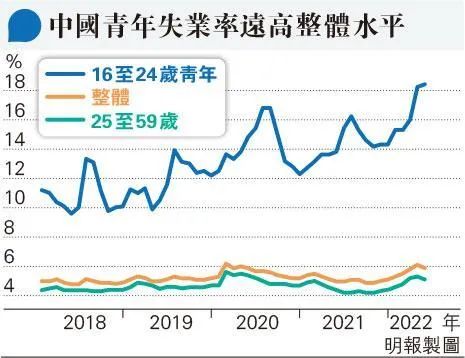 By combining the classic with the innovative, and basing the offering on stable quality and reasonable pricing, one can ensure the sustainable operation of a coffee shop.
The above content is compiled by CoffeeHunters, a coffee news website.


