







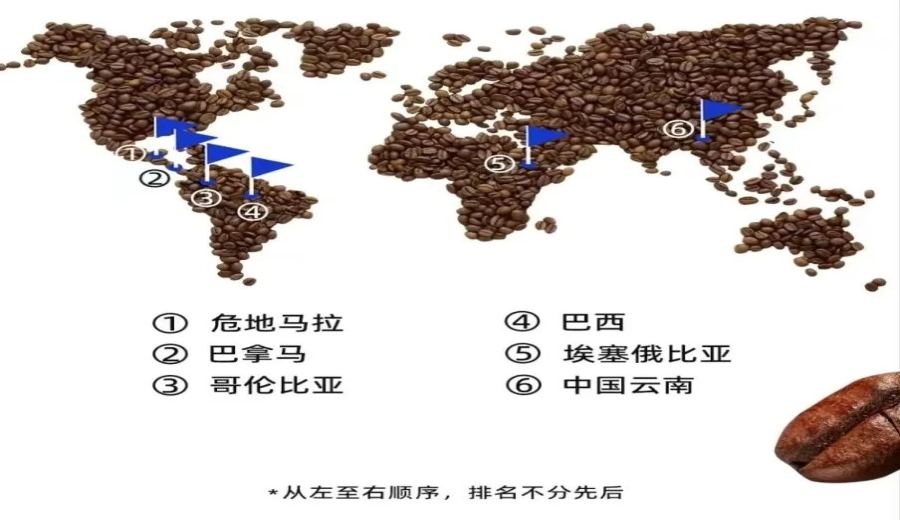
Introduction:Luckin Coffee recently publicly recruited a global green bean scouting assistant, offering fully covered travel expenses and social insurance benefits, sparking widespread discussion. The mysterious profession of green bean scout has also come into the spotlight—while it may seem like globetrotting and tasting coffee, it actually involves traveling to remote producing regions and cupping hundreds of coffees daily. This article delves into the real work of green bean scouts, from selecting beans in producing regions to negotiating prices, uncovering the challenges behind this seemingly "relaxing" job.
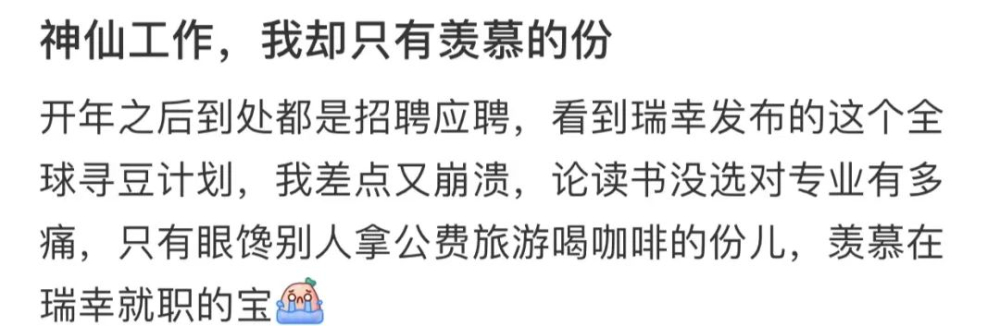
Luckin Coffee recently posted a job opening for a global green bean scouting assistant on its official community platform. The position involves accompanying the team on procurement expeditions to major coffee-producing regions around the world. Not only are all travel expenses covered by the company, but the salary structure is also relatively generous. The news immediately stirred up discussions on social media, with many netizens joking that it’s essentially a "paid world tour with social insurance" and an unbeatable job, while others lamented not choosing the right language major back then.
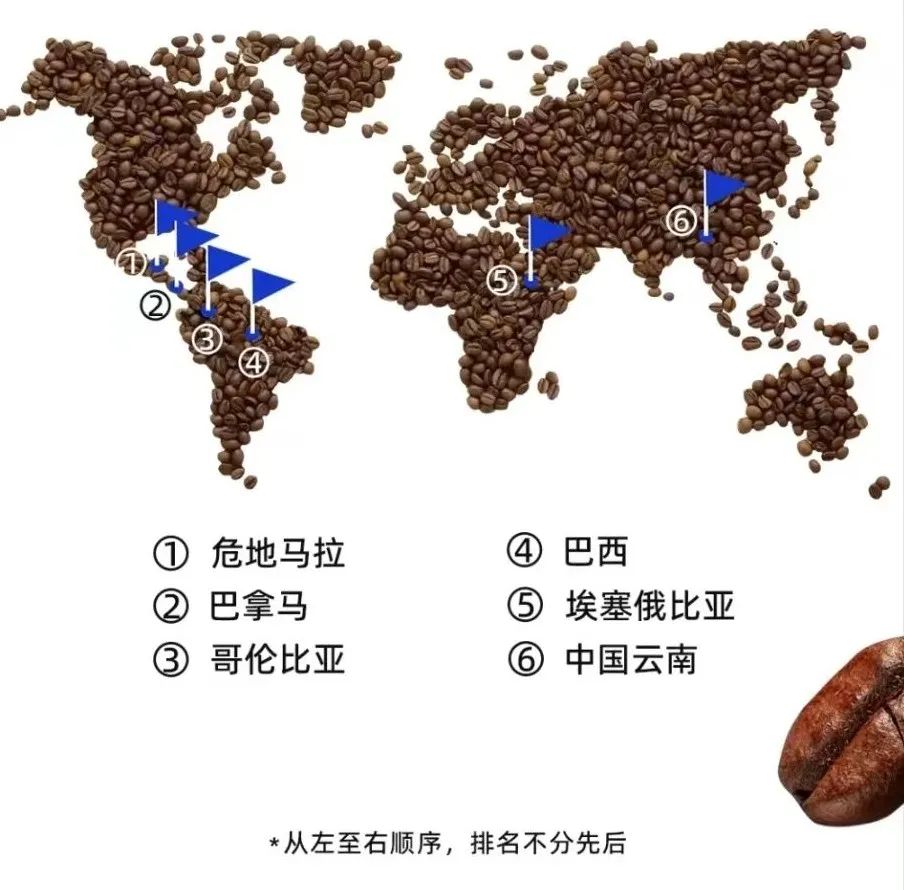
Looking closely at the recruitment requirements, it explicitly asks applicants to be fluent in both English and Portuguese, prompting many netizens to exclaim in regret, joking that they chose the wrong major and can only be "keyboard warriors." Some netizens have also become curious about the little-known profession of green bean scouts, asking: what exactly do they do?
From the job responsibilities published by Luckin, the green bean scouting assistant is not the core role directly responsible for finding high-quality green beans but focuses mainly on accompanying the team, documenting the journey, and brand promotion, assisting professional green bean scouts in completing overseas trips. Industry observers have pointed out that the social media buzz generated by this recruitment drive has far exceeded the actual demand for the position, making it a successful marketing move.

However, this wave of hiring has also brought the relatively niche profession of green bean scout into the public eye. Many office workers, seeing the globe-trotting nature of the job, can’t help but feel envious, thinking it’s the dream career of a sponsored trip. But is it really that relaxing and enjoyable?
The so-called green bean scout, as the name suggests, is someone who travels to major coffee-producing regions around the world to discover coffee bean varieties with commercial potential. During the selection process, multiple factors must be considered, including flavor profile, yield stability, and procurement costs. It’s worth noting that the majority of coffee-growing areas are located in remote mountainous regions. Although green bean scouts are nominally traveling abroad, they often spend most of their time in the fields, closely coordinating with local farmers and primary processing facilities.

It’s important to note that coffee-producing regions are not always as idyllic and picturesque as travel brochures suggest. More often than not, they involve inconvenient transportation, underdeveloped infrastructure, and even politically unstable remote mountainous areas. Why do green bean scouts persist in venturing into these regions? The reason is that those easily accessible and safe golden-producing regions have been thoroughly explored by the industry years ago. Nowadays, if you want to find unique-flavored and cost-effective green beans, you must brave these hidden and challenging corners, which naturally come with various unpredictable risks.
Once the target producing region is reached, the real challenges begin. Green bean scouts need to conduct large-scale cupping sessions, carefully selecting high-quality bean varieties from hundreds of coffee samples that meet the standards. Many people assume that tasting coffee every day is a delightful experience, but in reality, cupping in producing regions is vastly different from the casual coffee drinking experience in cafés.
In fact, when cupping in producing regions, green bean scouts often have to taste hundreds of coffee samples in a short period and identify those with rich flavor layers and outstanding performance. This means they inevitably encounter some samples with extreme or unforgettable flavors. Even seasoned coffee enthusiasts usually need a period of "coffee detox" to regain their taste buds' sensitivity after such intense and high-volume cupping sessions.
After completing the cupping process, green bean scouts also need to write detailed evaluation reports, negotiate reasonable purchase prices with local suppliers, and arrange subsequent logistics and transportation. Then, they must quickly move on to the next target producing region to continue the next round of green bean scouting missions.

From the actual work content described above, the role of the green bean scouting assistant leans more toward documenting the trip and enhancing brand exposure rather than directly participating in the core bean selection process. Industry insiders point out that the media attention generated by Luckin’s recruitment has brought the brand far more visibility than expected, which might be the true strategic intent behind this hiring campaign.

Looking at the bigger picture, the profession of green bean scout, though seemingly romantic, is actually filled with practical challenges and risks. From climbing remote mountains to dealing with unstable political and economic environments, to daily high-intensity sensory evaluations, none of it is as leisurely as people imagine. After gaining a deeper understanding of the real daily work of green bean scouts, do you still aspire to this "world-traveling" profession?


The above content is compiled by CoffeeHunters, a coffee news website.


