







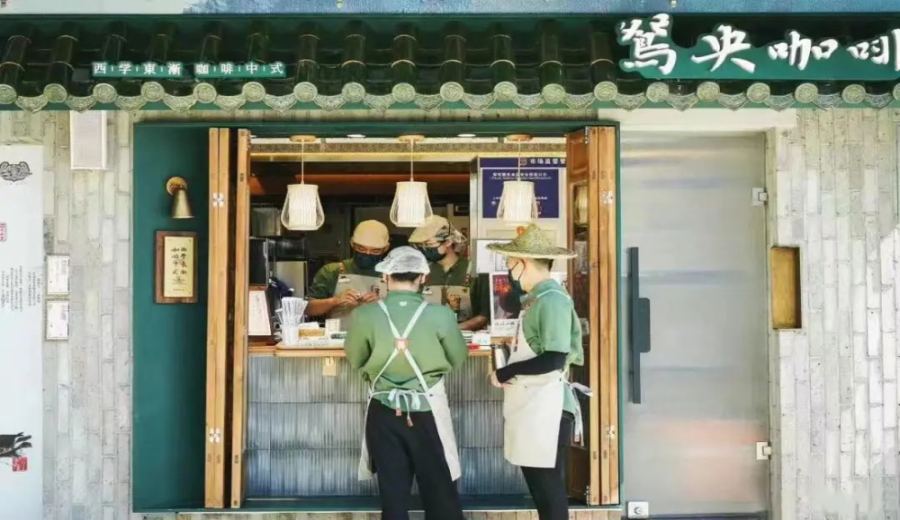
Introduction:As a classic Chinese beverage that blends tea and coffee, yuanyang has traversed from Hong Kong-style cha chaan tengs to the world stage over the past century, showcasing the unique charm of the fusion between tea and coffee. This article will take you on an in-depth journey through the origins, evolution, and cultural background of yuanyang, as well as its modern innovations. We’ll explore how it has become a beloved representative of Chinese-style coffee without relying on the inherent flavor of coffee itself, and include practical details to help you appreciate and understand this classic drink.
In the world of coffee, innovation often begins with the use of dairy products—whether adding milk, cream, or plant-based alternatives—all aimed at balancing coffee’s strong flavors. However, in the past decade, Chinese consumers’ exploration of new tastes has moved beyond traditional black coffee or milk coffee, gradually giving rise to cross-border innovations such as juice-infused coffee. Among these, “yuanyang,” which perfectly fuses tea and coffee, though relatively low-key for a century, has quietly gained popularity in recent years and secured a place in Chinese beverage culture.
So-called yuanyang is not merely a type of coffee but rather a creative beverage that combines Hong Kong-style milk tea and coffee in a specific ratio. It doesn’t purely belong to Western coffee traditions nor is it entirely a traditional Chinese tea drink. Instead, it finds a balance between the two, forming a unique “Central District flavor.” This cross-boundary combination makes yuanyang a microcosm of the fusion between Chinese and Western food cultures.
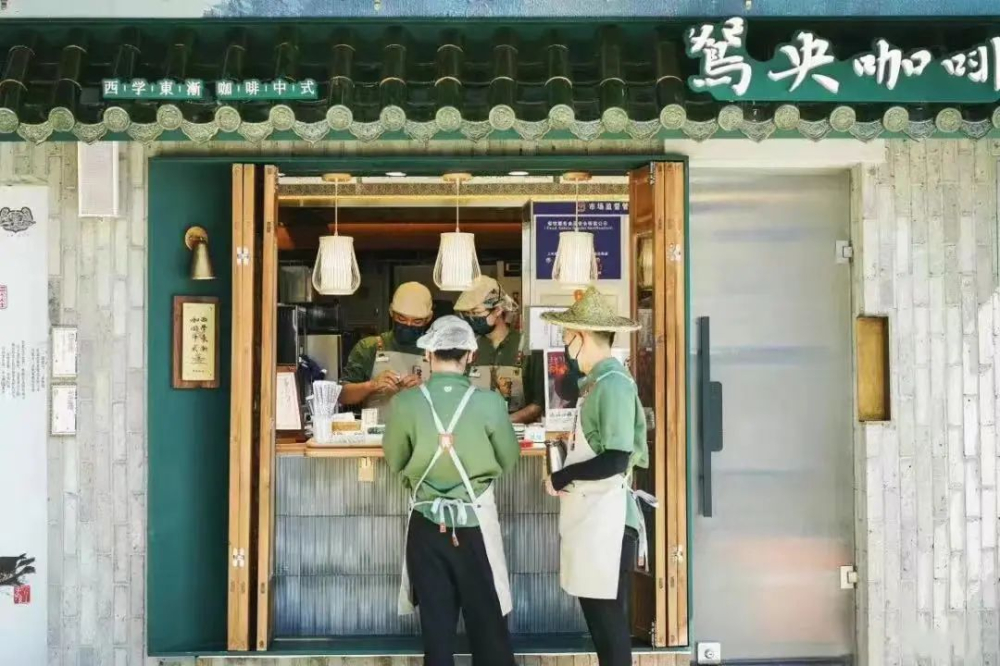
Tracing back to the origins of yuanyang, most accounts suggest it was born in Hong Kong during the 1950s and 1960s. At that time, as cha chaan teng culture flourished, some customers wanted both milk tea and coffee. Inspired, cha chaan teng owners ingeniously mixed the two in a certain proportion, creating a drink that transcended the boundaries of tea and coffee. This innovation not only resolved customers’ “choice dilemma” but also unexpectedly gave rise to a new beverage that became widely loved.
In terms of recipe, traditional yuanyang typically uses Hong Kong-style milk tea as the base, with a certain proportion of hot coffee added. The common ratios are around 7:3 or 6:4 tea to coffee, adjusted depending on the shop or region. The milk tea part usually employs a blended black tea and replaces fresh milk with evaporated milk to enhance a rich taste and silky texture. As for the coffee, filtered or instant coffee with stable extraction is often chosen to balance the overall flavor and avoid excessive bitterness.
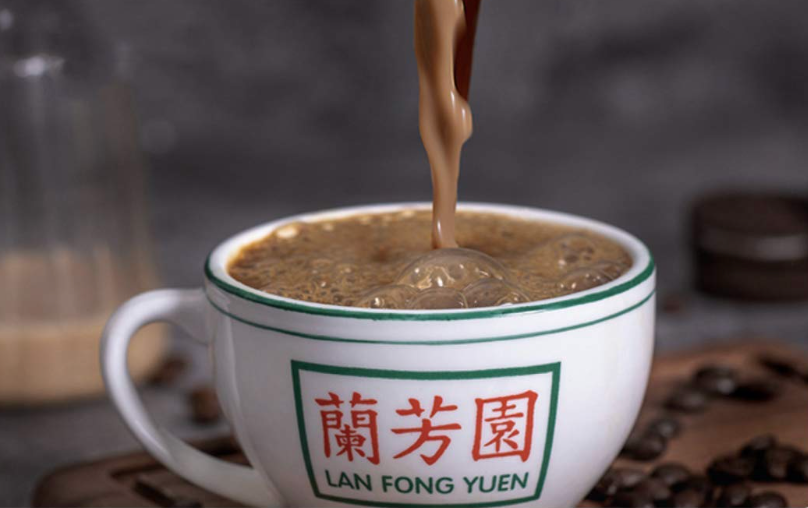
Interestingly, yuanyang’s rise to fame wasn’t immediate but gradually built up popularity within Hong Kong-style cha chaan teng culture, eventually becoming a classic drink many Hongkongers grow up with. As cha chaan teng culture expanded to Macau, Guangdong, and even overseas Chinatowns, yuanyang was gradually introduced to the world, becoming a nostalgic drink for many overseas Chinese communities.
Entering the 21st century, with the rise of specialty coffee and creative beverage trends, yuanyang has also undergone innovative transformations. Some modern cafés have begun reinterpreting this classic drink by experimenting with pour over coffee, cold brew, or nitrogen-infused coffee paired with high-quality milk tea. Adjustments are also made to the ratio and roast level to give yuanyang more layered complexity. For example, some shops opt for medium-light roasted coffee beans to highlight fruity acidity and aroma, contrasting with the richness of the milk tea. Others offer iced yuanyang to cater to summer market demands.
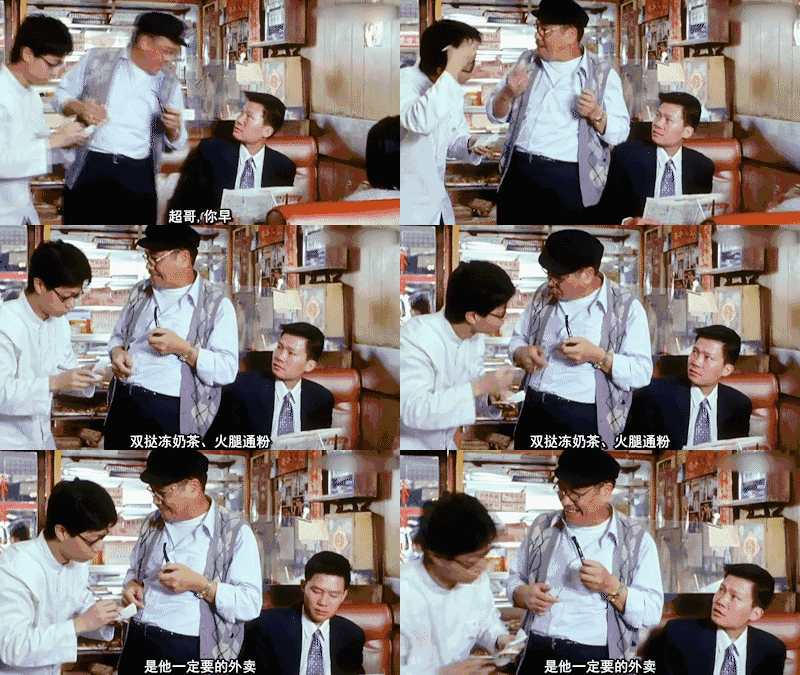
Notably, the success of yuanyang does not rely on the intrinsic flavor characteristics of coffee but is achieved through the complementary nature of tea and coffee, creating a wholly new taste experience. This innovative approach, which isn’t confined to traditional definitions of coffee, resonates with contemporary consumers’ preference for “crossover” and “fusion,” making yuanyang one of the representatives of Chinese-style coffee culture.
From a cultural perspective, yuanyang is not just a beverage but also carries the collective memory of Hong Kong-style living. It showcases the adaptability and creativity of food culture in cross-regional dissemination. Without relying on the inherent flavor of coffee, it carves out a unique path for Chinese-style coffee development through the balance of tea and milk aromas—an exploration well worth savoring and discussing.
The above content is compiled by CoffeeHunters, a coffee news website.


