







Introduction:In recent years, the Omakase model originating from Japanese cuisine has gradually made its way into the coffee industry. From Japan to Hong Kong, Macau, and mainland China, this "blind box-style" coffee experience has been steadily gaining popularity. This high-end service, led by baristas with no fixed menu, raises the question: can it truly integrate into the everyday coffee market? This article delves into the origins, consumer mindset, business logic, and challenges of Omakase, helping readers fully understand this new model, as well as grasp its potential development directions and real-world highlights.
In recent years, the Japanese Omakase trend has not only swept through the high-end dining scene but has also gradually infiltrated the coffee industry. From renowned Japanese brand Koffee Mameya’s branches to cities such as Macau, Hong Kong, Shantou, and Foshan in China, an increasing number of cafés have launched Omakase-style coffee experiences centered around “no menu, full reservation, and barista-led” concepts. These services offer a near-ritualistic coffee enjoyment through one-on-one personalized service paired with a “blind box” style coffee selection. But can this seemingly high-end model thrive steadily in a coffee market where everyday trends are prominent? The following will analyze its feasibility and future challenges from multiple angles.
The term Omakase originates from the Japanese phrase 「おまかせ」, meaning “I leave it to you” or “Please arrange it.” In Japanese cuisine, it refers to the chef improvising dishes based on the freshest seasonal ingredients. Diners do not order; instead, the chef decides everything. This sense of uncertainty and refinement is precisely where its charm lies. Typically, such dining formats come with a high price tag, as the ingredients used are often premium or limited edition, which is why Omakase is often synonymous with high-end consumption.
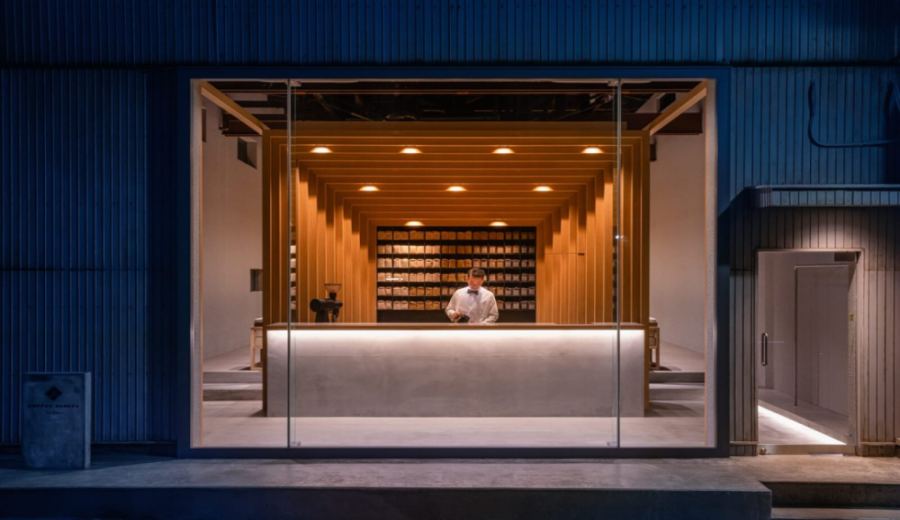
In Japan, some coffee brands have already attempted to incorporate Omakase into the coffee experience. For example, the Kakeru branch of Koffee Mameya, located in Kiyosumi-Shirakawa, offers a fully reservation-based coffee Omakase set. Visitors are greeted by a dedicated barista, with the entire process emphasizing personalized service and an immersive experience—clearly different from typical takeout or self-service coffee. This attempt to transplant the high-end Japanese dining model into the coffee realm has attracted significant attention and sparked a wave of “coffee Omakase” experimental enthusiasm.
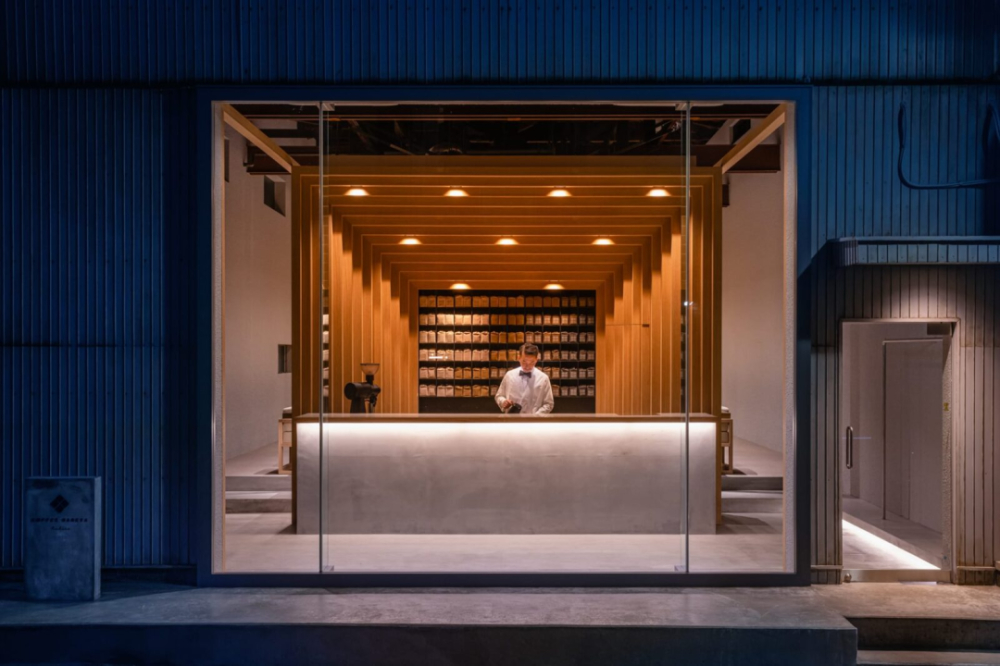
On social platforms such as Xiaohongshu and Bilibili, many cafés in Hong Kong, Macau, and southern China regions—including cities like Macau, Hong Kong, Shantou, and Foshan—have successively launched Omakase-like coffee experiences. These outlets often market themselves with “blind box sets,” packaging what was once an affordable, everyday coffee into a refined item with a sense of ceremony and a high consumption threshold. Whether such a transformation can gain market recognition is worth exploring in depth.
With the rise of consumption upgrading and the boost from social media, more and more consumers are willing to try novel dining models. The “chef’s creativity” and “unexpected surprises” emphasized by Omakase perfectly cater to the psychology of customers seeking unique experiences. Especially when consumers hand over their choices to professionals, they can more relaxedly enjoy the service and a flavor adventure. However, the acceptance of this model remains closely related to price sensitivity.
In fact, the key to getting consumers to pay a premium for a coffee Omakase experience lies in whether it can deliver value that exceeds expectations. This goes beyond just the coffee itself—it includes the overall atmosphere, service flow, the barista’s professional explanations, and even the depth of presentation in brewing techniques and bean flavor profiles. If customers end up with nothing more than an expensive cup of coffee lacking any standout qualities, it’s hard to say the expenditure is “worth it.” Especially given that in today’s market, a decent-quality pour over coffee can be purchased for just over ten yuan, the Omakase model must establish a clear difference in service depth and flavor storytelling.
From a business perspective, Omakase indeed provides a stage for specialty coffee to showcase its depth and professionalism. It can guide consumers to focus more on the multi-layered flavors of coffee itself and, through explanations and interactions, enhance understanding of origin, processing methods, and brewing parameters—such as how different grind sizes, water temperature control, and brewing times affect the final taste. However, from a commercial sustainability analysis, whether this high-cost, low-table-turnover service model can become a long-term operational pillar remains in doubt. Especially once the initial “novelty effect” of the experience fades, how to maintain a stable customer base and income will be a practical challenge operators must face.
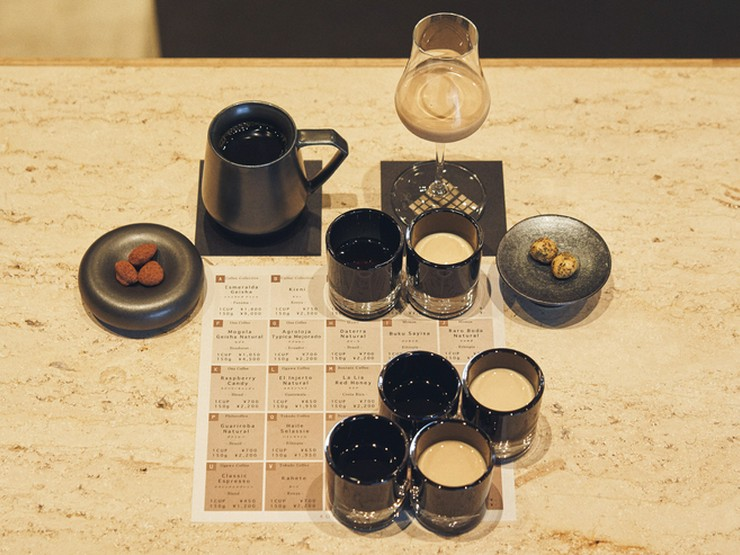
In summary, while the coffee Omakase model is innovative and buzzworthy, and can promote specialty coffee culture to a certain extent, its high price range and low-frequency consumption characteristics mean its applicability in the broader market remains to be seen. For coffee enthusiasts seeking unique experiences, this type of service undoubtedly offers an opportunity to deeply explore coffee flavors and production techniques. But for operators, striking a balance between innovation and sustainability will be the key to determining whether this model can “stand the test of time.”
The above content is compiled by CoffeeHunters, a coffee news website.


