







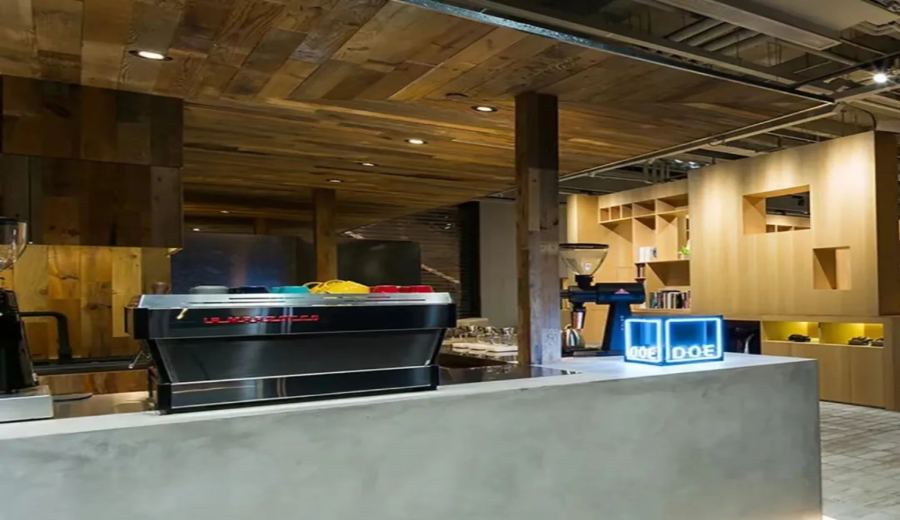
Introduction:When opening a coffee shop, choosing the right espresso machine is crucial. Many novice shop owners are drawn in by the value-retention claims of high-end brands, yet overlook the potential risks in the second-hand market. This article delves into the value-retention phenomenon of well-known brands such as La Marzocco, exposes price traps and equipment hazards in second-hand transactions, and provides practical advice to help you make wise decisions within your budget.
Nowadays, setting up a coffee shop feels like an arms race when it comes to equipment. One shop uses La Marzocco, another considers Sanremo; if you have an EK43 grinder, I’ll match it with a Mazzer ZM. Especially with espresso machines, they are often seen as the face of the shop, and many shop owners believe the tier of the equipment directly affects customers’ perception of professionalism.
As a result, investing over a hundred thousand yuan in a dual-group high-end model, or spending thirty to forty thousand on a single-group machine, is considered helpful for improving business performance. More importantly, these well-known brands are often labeled as “value-retaining,” leading many operators to think, “Even if the shop doesn’t do well, reselling the equipment can recoup the investment.”
But the question is, can espresso machines really retain their value? The answer is:Some high-end brands do have a certain degree of value retention, and may even yield slight profits.For example, one shop owner purchased a La Marzocco Mini in 2018, investing around 28,000 yuan at the time. Later, due to the pandemic, overseas production capacity tightened, and the price of new machines rose by 10,000 yuan, with the second-hand market following suit. Selling at that time would not only preserve the original value but also offer a small profit margin.
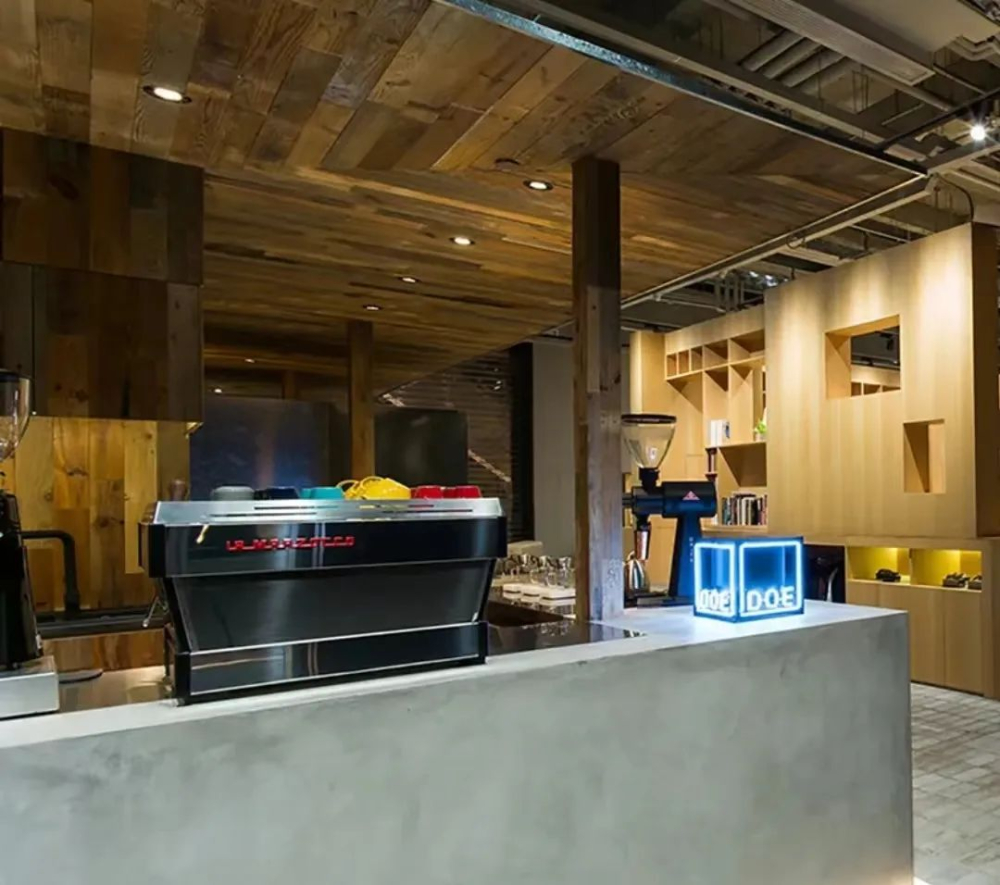
However, such individual cases do not represent the overall market trend. Although from the current market situation, well-known brands like La Marzocco are indeed more value-retentive compared to others, their original prices are already relatively high. More importantly,the resale value of equipment purchased today may not be the same in the future,so don’t simply extrapolate past experiences to predict future market trends.
Let’s also talk about the gap between the “listed price” and the “actual transaction price” in the second-hand market. Many shop owners, when planning to close their business and sell their equipment, will refer to online average second-hand prices and then list their items at around 70% of that. But here’s the problem: through which channels will you sell? For shop owners unfamiliar with the market, there are usually only two options: selling independently on second-hand platforms, which often leads to unsold items due to overpricing, and incurs high time costs when cash is urgently needed; or turning to second-hand equipment recyclers, who typically offer significantly lower prices because they also need to consider their own profits.
One shop owner once imported a higher-tier La Marzocco model than the commonly available ones, but later needed to transfer it for some reason. He referenced the average second-hand market price when listing it, yet it remained unsold for a full four months. In the end, he had to seek out a local recycler, and the final transaction price was 8,000 yuan lower than the original listed price.
If you’re currently planning to buy an espresso machine, feel that brand-new high-end models are too expensive and supply is unstable, and thus are considering the second-hand market, thenif you lack knowledge of the internal structure and maintenance of espresso machines, it’s advisable to proceed with caution.。
For example, a coffee enthusiast once saw a La Marzocco Linea dual-group machine online priced at almost half of the original cost. Its description and condition seemed brand new, so he placed an order without hesitation. Although there were no issues with the appearance or initial operation, after using it for a while, it began to exhibit problems such as low water output and murky water quality. Upon further disassembly and inspection, it was discovered that the boiler and copper pipes had significant rust, and the water inlet piping was severely clogged with limescale.
This shows that even if you are familiar with coffee brewing techniques, if you know nothing about the hardware structure and daily maintenance of espresso machines,do not easily venture into the deep end of the second-hand market.If you still hold onto the idea that “if business doesn’t go well, at least I can sell the equipment for a good price,” then a more practical approach is: based on your own budget, ensure basic performance and stability, and opt for equipment from brands that may not be as well-known but offer better cost-performance.
This not only helps reduce initial investment costs, allowing more funds to be allocated to the daily operations and marketing of the shop, but also lowers the risk during future resale. In fact, many industry insiders also recommend more cost-effective equipment options, which are worth considering.
The above content is compiled by CoffeeHunters, a coffee news website.


