








Introduction:Did you know? The flavor release of pour over coffee is actually greatly influenced by the material, shape, and rim design of the cup. From ceramic to glass, from wide-mouth to tapered rims, every detail can alter the way aromas are released and how flavors are balanced. This article delves into how these factors shape your coffee experience and offers practical selection tips to help you find the most suitable everyday pour over cup—one that fully showcases the delicate nuances of your coffee.
When tasting coffee, choosing the right cup is just as important as selecting a wine glass. It not only affects how aromas are gathered or dispersed but also adjusts taste perception. Many pour over enthusiasts habitually drink from mugs or whatever cup is at hand, potentially missing out on the subtle fruit acidity, sweetness, or body in their coffee. Understanding how cups influence flavor can elevate your home coffee experience to something far richer.
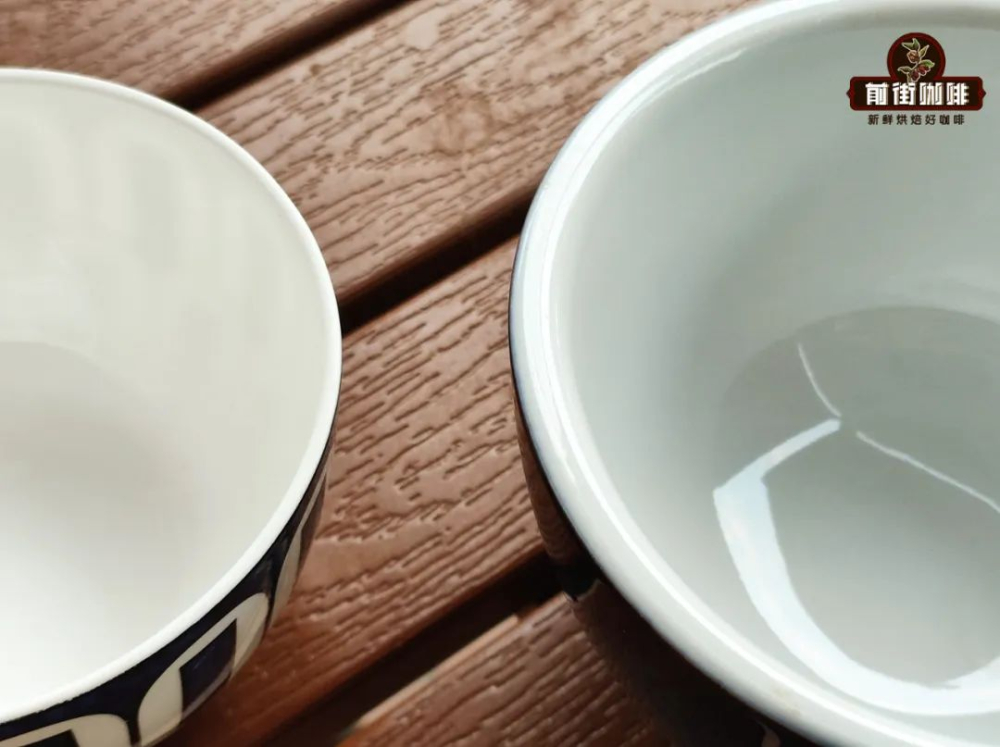
Impact ofMaterialis the primary consideration. Ceramic cups are the most common choice—especially unglazed stoneware, which provides slight insulation and doesn’t overly interfere with aroma expression. Glass cups are transparent and allow you to observe the coffee’s color easily, but they offer poorer heat retention, making them more suitable for quick consumption.Porcelain

, with its dense surface, can moderately retain both heat and aroma, making it a daily favorite among many professional baristas. Avoid metal or plastic materials, as these may release unwanted odors that interfere with the coffee’s original flavor profile.Theshape and rim design
of the cup are also crucial. Wide-mouth cups generally allow aromas to disperse more freely, making them ideal for light roasts that emphasize fruit acidity and floral notes, helping you better capture those subtle aromatic layers. In contrast, tapered rims concentrate the aromas and direct them toward your nose, suiting dark roasts or drinks where a rich mouthfeel is key, resulting in a smoother, more focused flavor. If you want to appreciate the nuanced changes in pour over coffee, it’s recommended to choose cups with smooth, naturally curved rims, which help distribute the liquid evenly and enhance overall flavor balance.Additionally,cup wall thickness
affects both heat retention and the drinking experience. Thin-walled cups usually cool faster, allowing you to enjoy the coffee during its optimal flavor window, but they don’t retain heat for long. Thick-walled cups provide better insulation, ideal for sipping slowly, though they may slightly dull your taste sensitivity due to higher temperatures—especially when discerning acidity and sweetness at elevated temperatures. As a general guideline, choose based on your drinking habits; if you enjoy sensing temperature changes as you sip, opt for a cup with medium thickness.When selecting a pour over coffee cup, you should also considercapacity and usage scenario
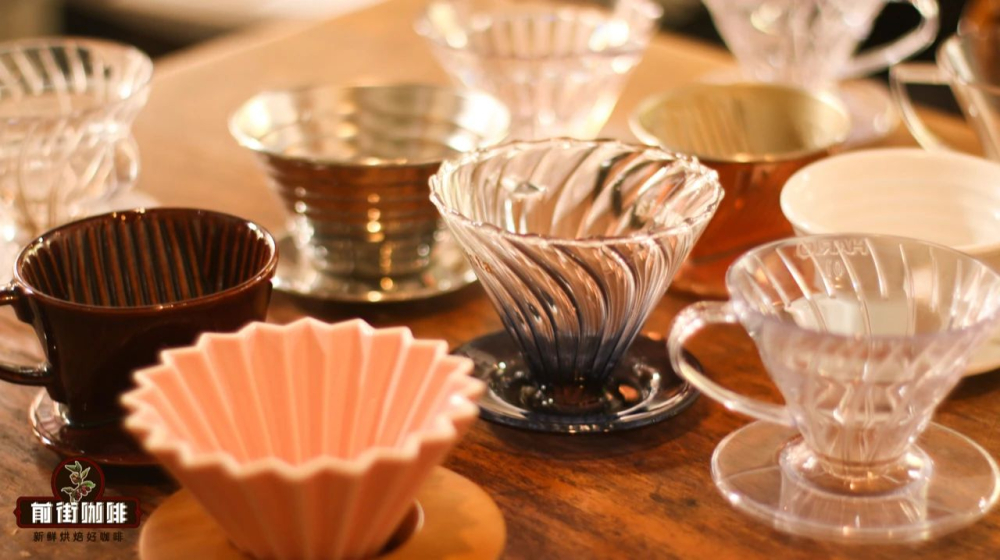
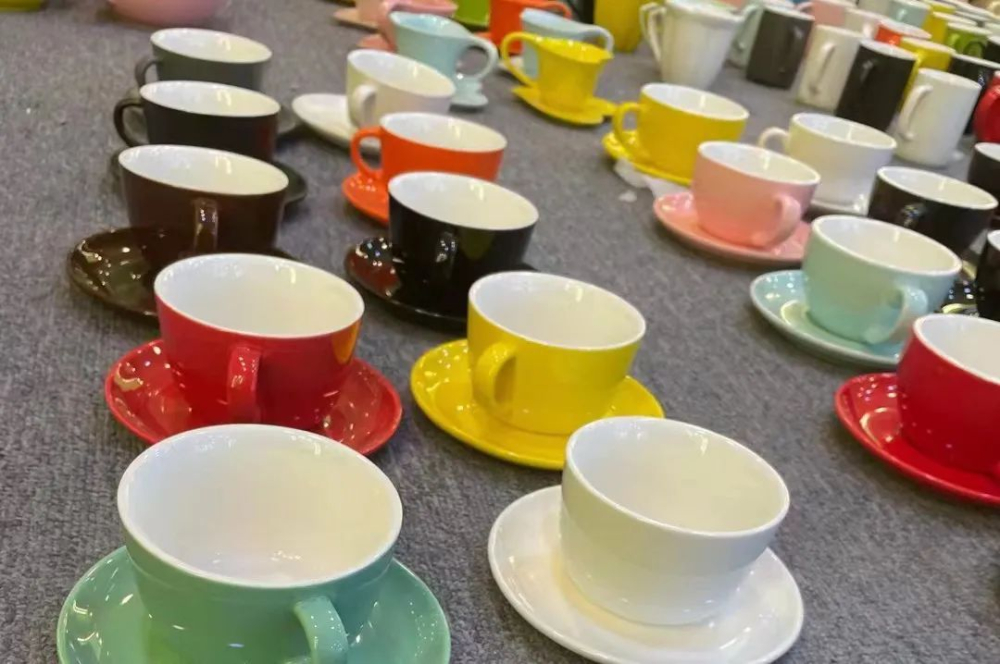
. Typically, cups between 200–300 ml are perfect for a single serving of pour over, showcasing the full flavor profile without cooling too quickly due to excessive size. If you often share with friends, you might prepare various sizes and pair them flexibly according to coffee type and roast level. Remember, there’s no absolute standard for cup selection—the key is whether you can perceive the layers and subtleties of the coffee while drinking.
In practical tasting, try pouring the same coffee beans into cups of different materials or shapes and compare. You might be surprised to find that just by changing the cup, the brightness of acidity, clarity of sweetness, or even the length of aftertaste can vary. This simple experiment can help you better understand your own taste preferences and ultimately find the cup type that suits you best.


The above content is compiled by CoffeeHunters, a coffee news website.


