







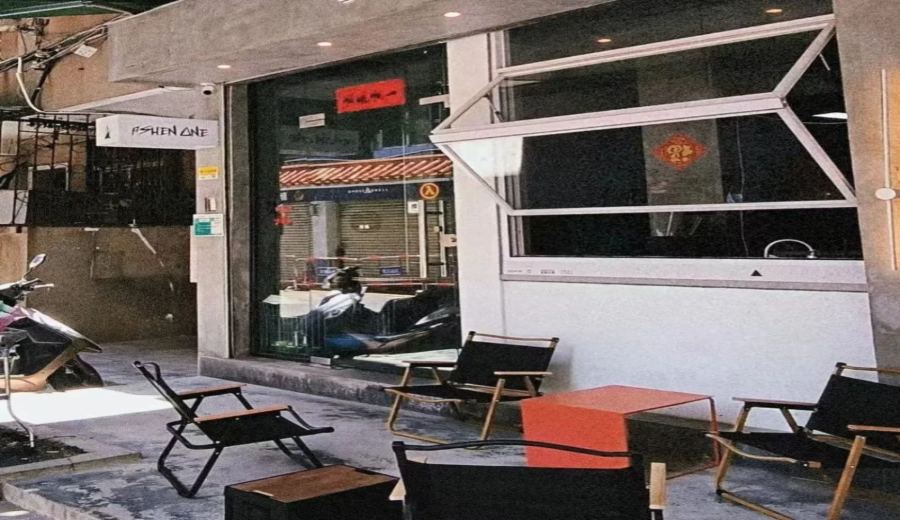
Introduction:As the coffee markets in first- and second-tier cities become increasingly saturated, more and more brands are turning to smaller fourth- and fifth-tier cities in search of opportunities. However, local coffee shops there face challenges such as homogenized competition, the downward expansion of chain brands, and a lack of social appeal. Taking Xinhui District in Jiangmen, Guangdong as an example, this article analyzes the current survival conditions of coffee shops in small cities and explores practical breakthrough strategies such as “general store” transformation, precise community engagement, and differentiated product positioning—helping you find your own path to sustainability.
When people talk about opening a coffee shop full of human warmth, they often yearn for the slow-paced lifestyle of fourth- and fifth-tier cities, as if it were the “poetry and distant lands” urban dwellers aspire to. But in reality, this market once considered a blue ocean is now gradually filling up with competitors. According to Meituan’s “2022 China Coffee Consumption Insight Report,” in the first half of 2022, the total number of coffee shops in mainland China exceeded 117,300, with an annual growth rate of 18.28%, and expansion was particularly notable in third-tier cities.
However, as the coffee markets in first- and second-tier cities gradually saturate and brands move downward with a focus on low-price strategies, can coffee shops in fourth- and fifth-tier cities at the end of the urban chain still maintain that original poetic ideal?
Take Xinhui, a district under the jurisdiction of Jiangmen City in Guangdong, as an example. This city is nominally third-tier but is actually closer to fourth-tier, with its main urban area, Huicheng, having a permanent population of less than 500,000 and located some distance from downtown Jiangmen. Before 2015, aside from a few themed bars, there were very few establishments that truly sold freshly brewed coffee—only three. The entry of Starbucks became a significant turning point in the local market for freshly made coffee. At that time, milk tea was still dominant, and Starbucks not only drove a wave of consumer trends but also introduced residents to the concept of “freshly ground coffee” for the first time.
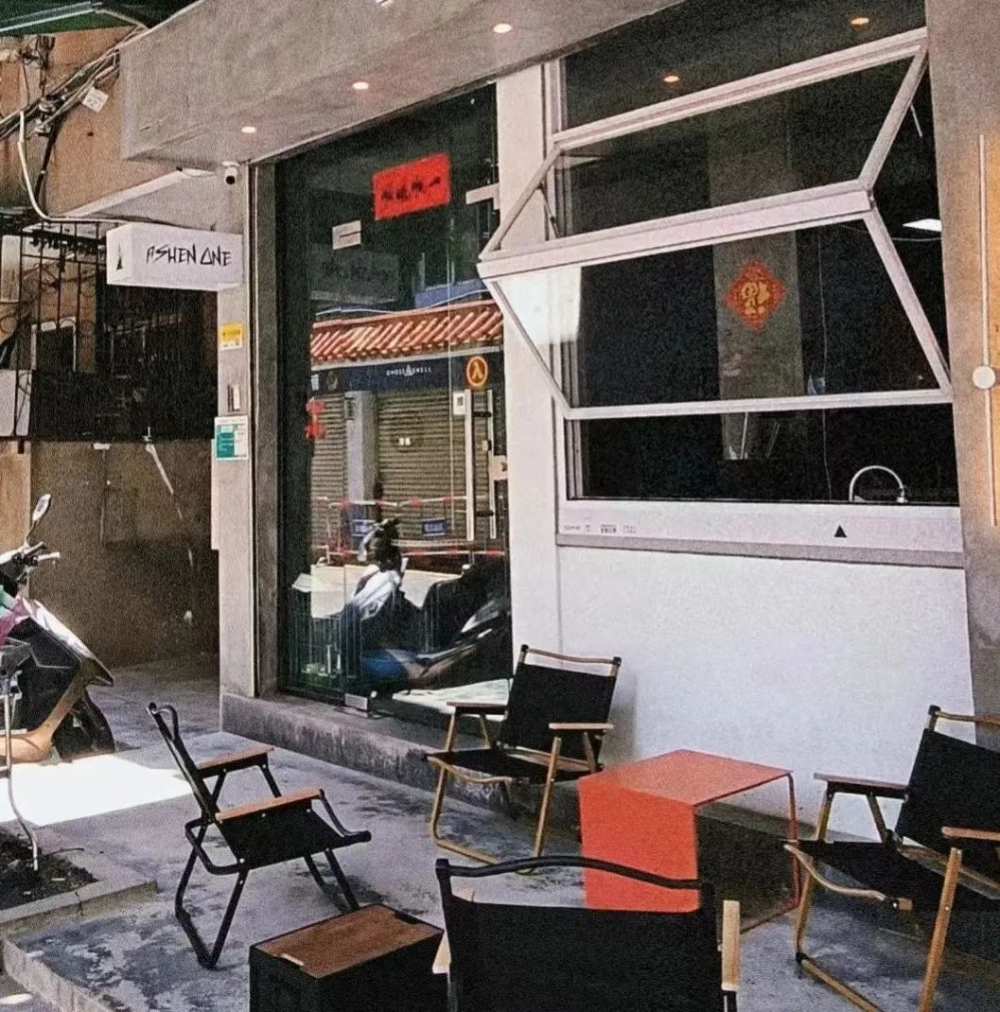
The real explosion occurred in late 2019, when community-based coffee shops sprang up like mushrooms after rain. Coupled with the boost from the pandemic, many young people chose to return to their hometowns for development, further fueling the vigorous growth of community coffee shops. These shops mostly chose locations in small alleys or side streets around central business districts. While they created a sense of neighborhood familiarity, they also quickly fell into the dilemma of intense competition.
The first challenge faced is the issue of “over-concentration” within the same area.Within a 500-meter radius, it’s common to see as many as 16 coffee shops densely clustered, and if tea shops are included, the number can exceed 30.In such an environment, each shop must strive to find its own unique selling point. Whether it’s decoration style, equipment selection, product diversity, or pricing strategy, all become key elements in attracting customers.
In terms of equipment, even though space may be limited, many shop owners are willing to invest heavily in well-known brands of coffee machines and grinders to ensure production quality.From espresso to pour over, and even featuring their own creative recipes, everything is covered.Additionally, lemon tea has almost become a standard offering, reflecting local residents’ preference for “lifestyle-oriented” beverages, while coffee retains more of a symbolic meaning tied to ideals and dreams.
In terms of pricing, taking the highest-selling Americano and latte as examples, local prices range between 13–15 RMB and 17–20 RMB respectively. Compared to ingredient costs, profit margins are actually quite limited, but through price competition with tea shops, they can still maintain a certain level of appeal.
However, what truly puts pressure on local coffee shops is the downward expansion oflarge chain brands from first- and second-tier cities.Taking Luckin Coffee’s entry into Xinhui’s Xinghui Plaza in 2021 as an example, through a large-scale subsidy strategy and high brand recognition, it quickly attracted a large number of consumers. Not only did its product line heavily overlap with that of community coffee shops, but its pricing was also more competitive, putting small shops that previously relied on location or taste advantages in the face of a “dimensionality reduction strike.” Currently, Luckin has opened three outlets locally, covering all major business districts, further squeezing the survival space of community-based coffee shops.
The last and not easily overcome challenge is the“lack of social space attribute”of coffee shops. In big cities, customers might visit specifically for a particular flavor or brewing technique, but in small towns, people place more value on whether the shop provides a comfortable and relaxing space for interaction. Interestingly, during the Spring Festival period, not only do community coffee shops see a surge in customers, but businesses that sell spaces for hanging out also get busier, because returning youth are looking for a place to catch up with friends and unwind—not just a cup of coffee.
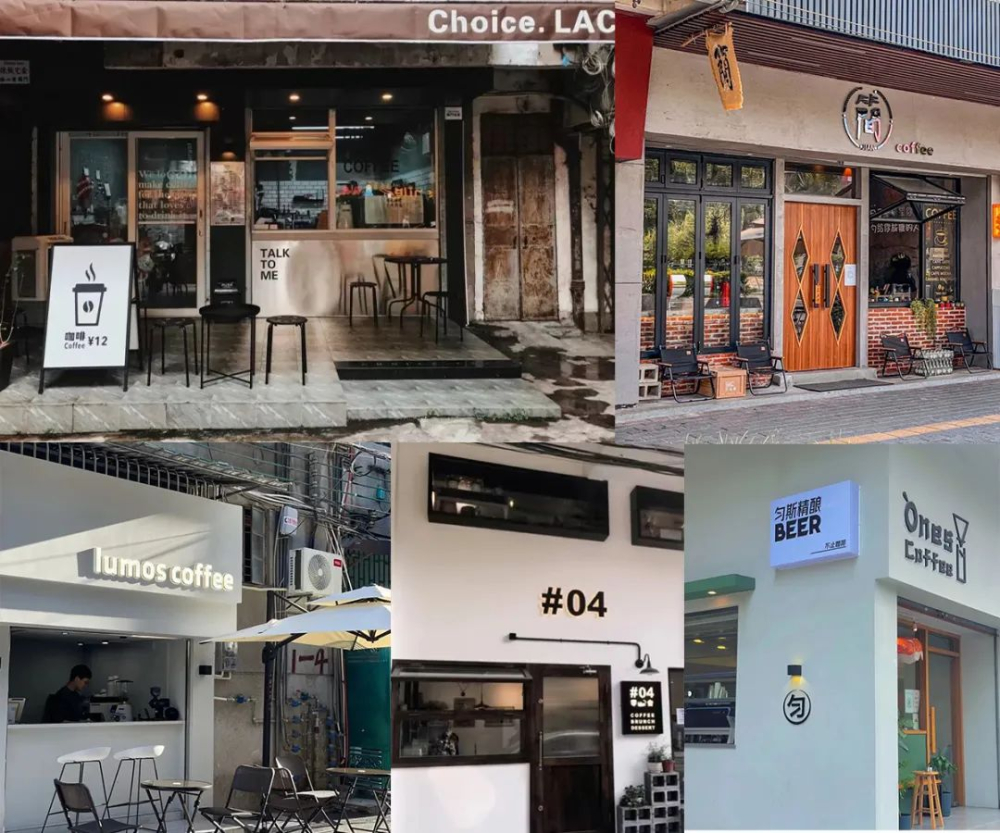
Faced with such an intense market environment, some savvy shop owners have begun seeking transformation, and the “general store” business model is gradually emerging. A “士多” (pronounced “si-doh”) refers to a traditional convenience store and was once an important part of community life. They are usually run by individual owners and naturally form a sort of “territorial understanding” where no duplicate stores appear within a certain resident area, ensuring each shop can steadily serve a fixed clientele.
Nowadays, in newly developed residential areas farther from the bustling city center, a similar phenomenon can be seen: a single coffee shop often becomes the residents' sole daily option for buying coffee. For instance, in a new housing complex that was only handed over in January 2024, a coffee shop has already moved in and is under renovation. It will soon become an indispensable part of residents' lives, not only providing drinks but also playing roles in neighborhood socialization and daily convenience.
The above content is compiled by CoffeeHunters, a coffee news website.


