







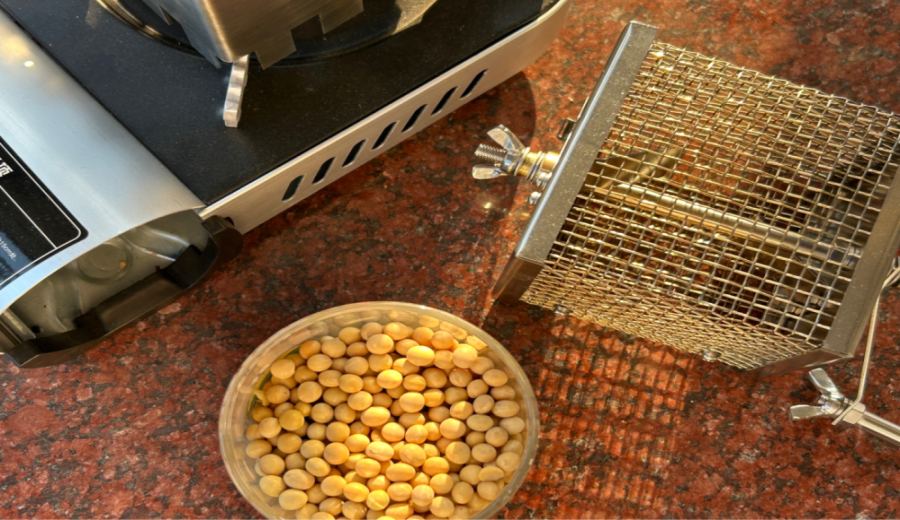
Introduction:Both soybeans and coffee beans share the character for "bean," leading many to wonder whether soybeans can be roasted, ground, and brewed just like coffee. This experiment involved single-origin soybeans roasted directly over a flame, documenting the entire process—from bean characteristics and roasting observations to pour over extraction—to explore whether soybeans can replicate coffee flavors and to analyze their fundamental differences from coffee beans.
Coffee is often jokingly referred to as "foreigner’s soy milk." This amusing term makes many people wonder: since they’re both called “beans,” can soybeans also undergo roasting, grinding, and extraction like coffee beans to become a fragrant beverage? With this curiosity in mind, this experiment conducted a full direct-fire roast and pour over test using single-origin soybeans, recording every step of this “atypical coffee” journey from start to finish.
First, we observed the appearance of the soybeans. These soybeans were plump, uniformly sized, and had a hard texture—their hardness even exceeded that of typical high-altitude SHB-grade coffee beans. After removing defective and broken beans, 50 grams were selected as the stars of this roast.
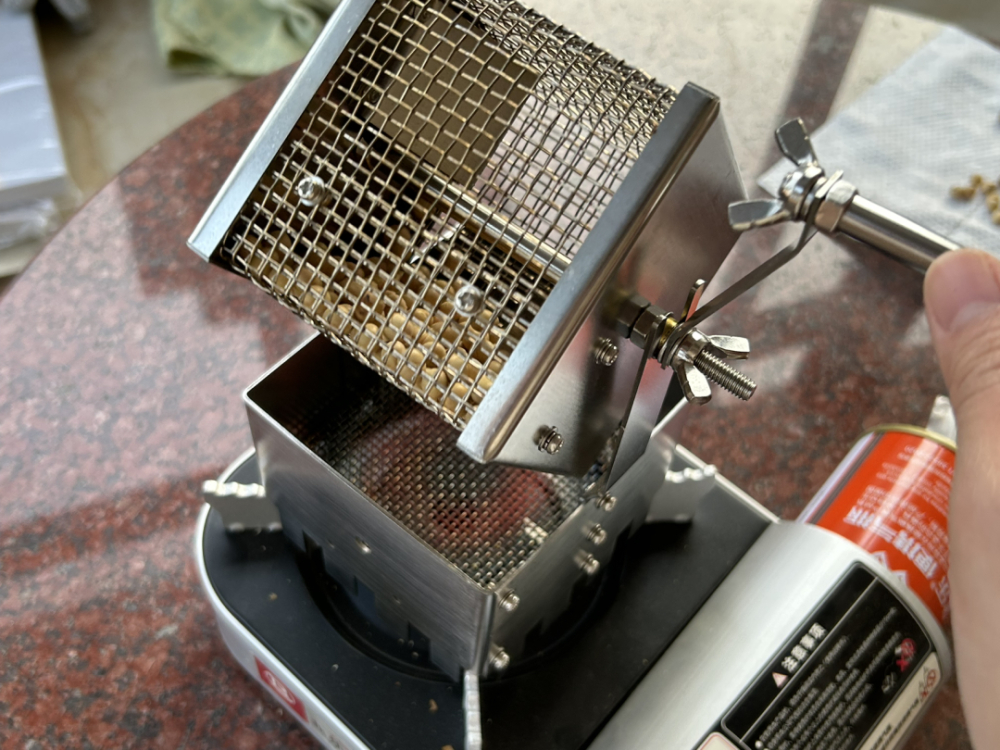
The roasting method chosen was direct fire, using a mini gas stove at medium heat with rotation speed controlled to approximately 60 to 65 revolutions per minute, simulating the operation of a small roaster. The entire roasting process lasted 25 minutes, requiring continuous observation and manual stirring, which was quite a test of patience.
During the roasting process, at around 4 minutes and 30 seconds, the soybeans produced about 10 seconds of intense popping sounds, similar to popcorn, along with an aroma akin to unsweetened popcorn. However, unlike coffee beans, the soybean skins did not peel off.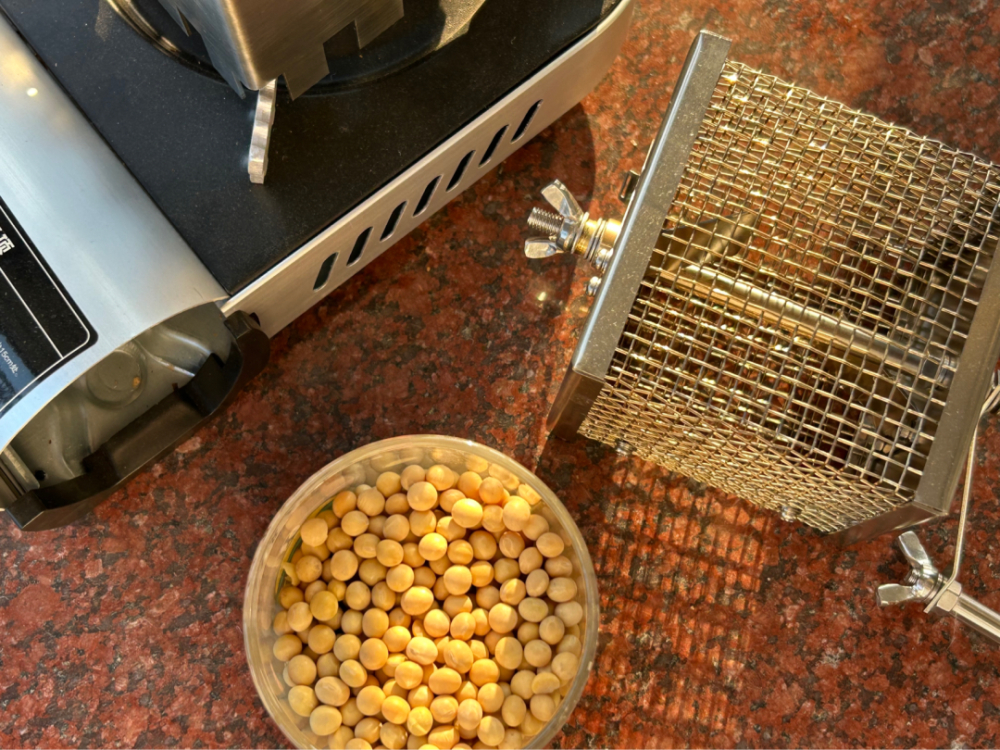
As time progressed, at around 7 minutes and 30 seconds, a distinct roasted peanut smell began to emerge; by 13 minutes and 30 seconds, the aroma shifted to a rich peanut oil scent, which became the main source of the oily sensation during subsequent grinding and extraction. At 15 minutes and 30 seconds, the beans entered the caramelization stage, with their surfaces gradually turning light brown; by 19 minutes and 30 seconds, the color was close to that of medium-light roasted coffee beans.
By the 25-minute mark, the soybean surface displayed a color similar to that of medium-dark roasted coffee beans. Roasting was then concluded, and a hairdryer was used to assist with cooling. After roasting, the beans were weighed again, reducing from the original 50 grams to 41.2 grams. The dehydration ratio was close to that of normally roasted coffee beans, indicating a similar degree of moisture evaporation.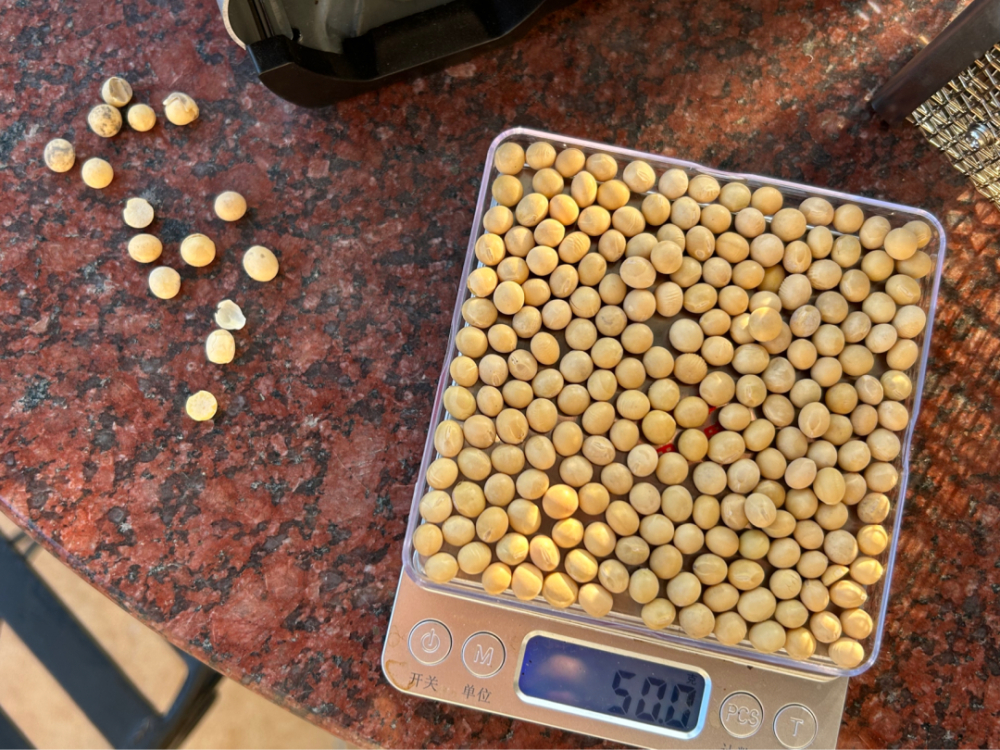
However, the next step after roasting—grinding—proved to be the real challenge. Due to the abundant internal oils in soybeans, using a standard grinder caused the grounds to stick excessively to the machine. In this test, 11 grams of soybeans yielded only 10 grams of powder, with a significant amount of residue sticking between the burr plates and grinding discs, making cleaning very difficult.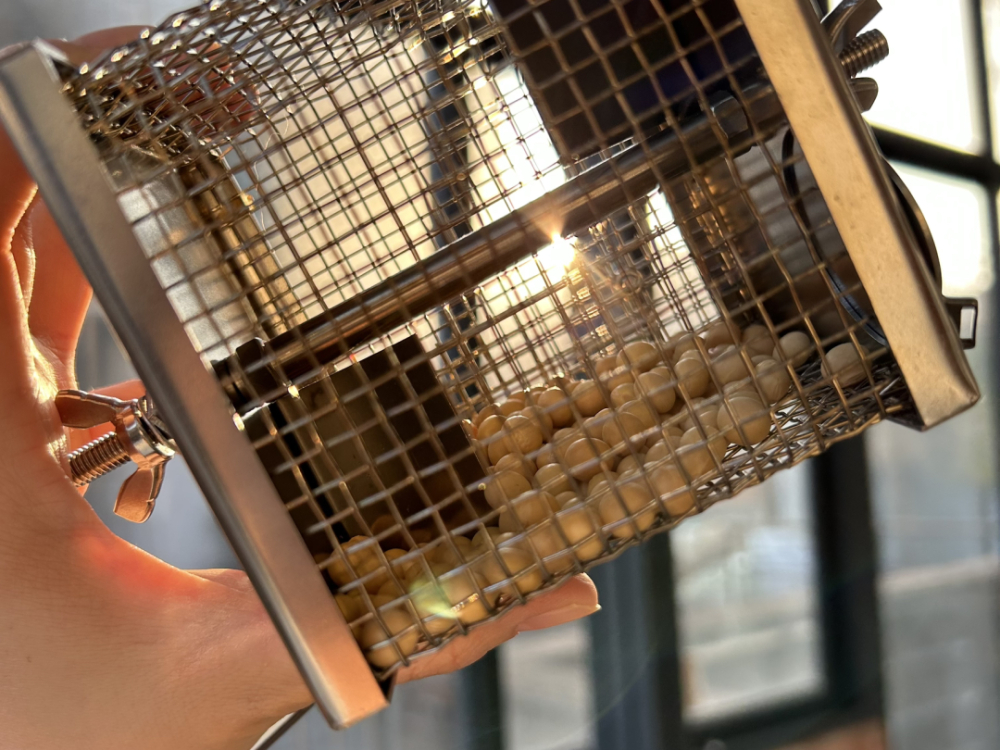
For brewing, since no filter cone or paper was brought along, a stainless steel filter mesh was used for the pour over. Even with a relatively fine grind and about 100 grams of water heated to above 90°C, the blooming stage did not expand as fully as with coffee. The overall extraction time was around 2 minutes, a slow process that required patience.
In terms of final flavor, the soybean brew exhibited strong notes of roasted grains, roasted peanuts, and nuts, along with a richness reminiscent of dark chocolate. Additionally, herbal, spicy, and pronounced smoky undertones could be detected, especially since it was brewed immediately after roasting, making the smokiness more prominent. The overall impression was similar to a lower-quality blend of Mandheling and Robusta beans, but it clearly lacked the acidity and layered complexity expected from coffee.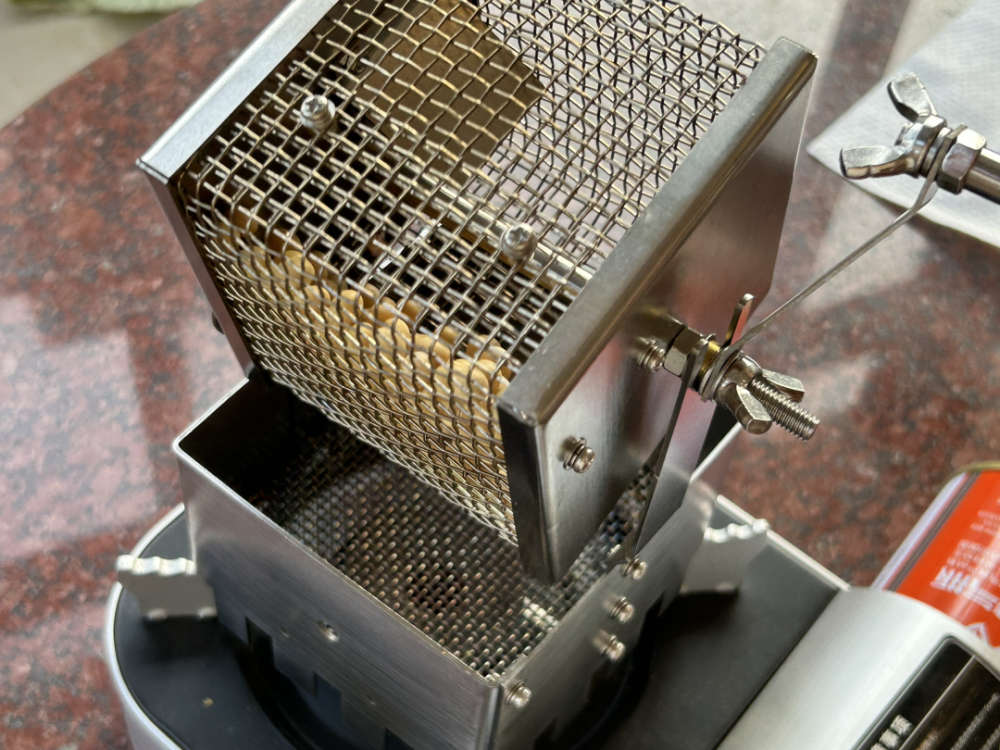
In conclusion, soybeans can indeed produce a flavor profile somewhat resembling coffee through medium-dark roasting, fine grinding, and high-temperature extraction. However, they are fundamentally different from coffee beans, most notably in being completely caffeine-free. While one might “get away with it” unknowingly, the overall experience is still recommended only as a curious experiment, with special attention needed to grinder cleanliness and residual oil odors.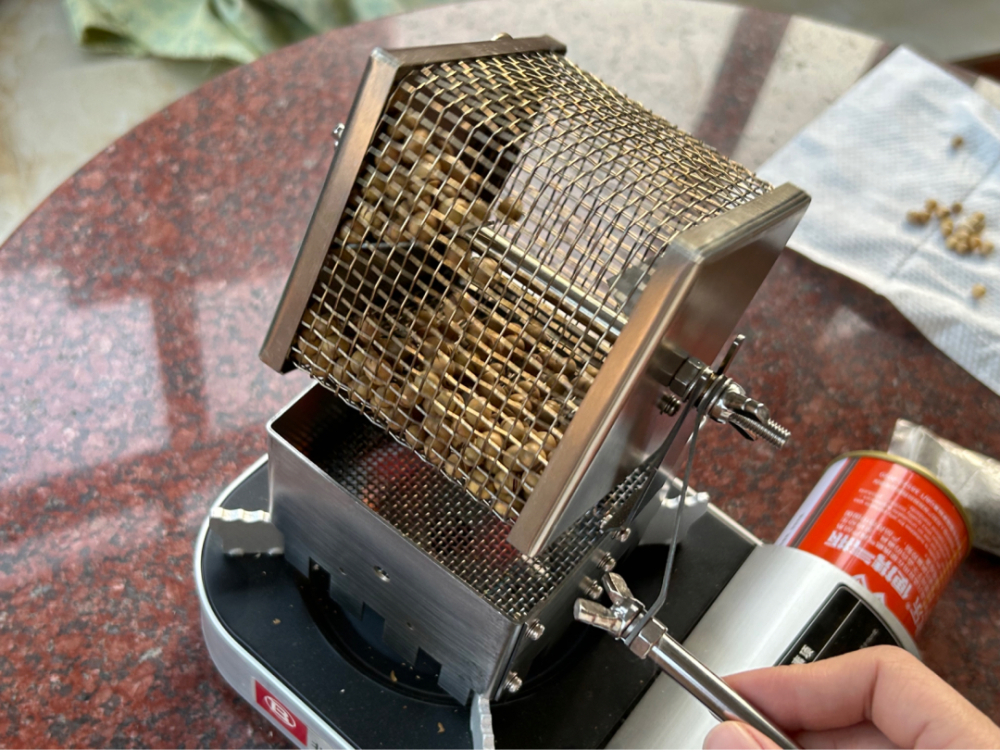
The above content is compiled by CoffeeHunters, a coffee news website.


