







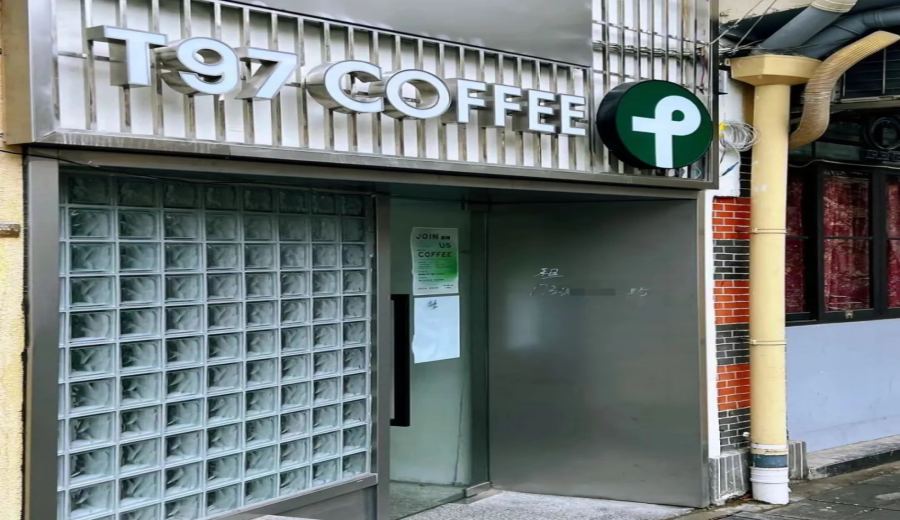
Introduction:T97 Coffee once skyrocketed to fame through viral livestreams, with its founder even claiming plans to open a thousand stores within a year. However, its actual operational performance starkly contrasted with the bold claims. This article delves into the potential risks behind T97’s franchise model, explores the reasons behind its rapid expansion coupled with frequent closures, and offers practical advice for aspiring entrepreneurs in the coffee industry regarding brand selection and business strategy.
T97 Coffee became an overnight sensation thanks to its brainwashing-style livestream content, particularly driven by a wildly eccentric “coffee rush rush rush” rapper, which successfully attracted a massive audience. At the time, founder Li Xiao was brimming with confidence, boldly announcing plans to open over 1,000 stores within a year, aiming to rival market leader Luckin Coffee. However, the reality fell far short of the liveliness seen in the livestreams. As of January this year, the total number of stores nationwide still failed to exceed 100, and many newly opened outlets often shut down within just two or three months.
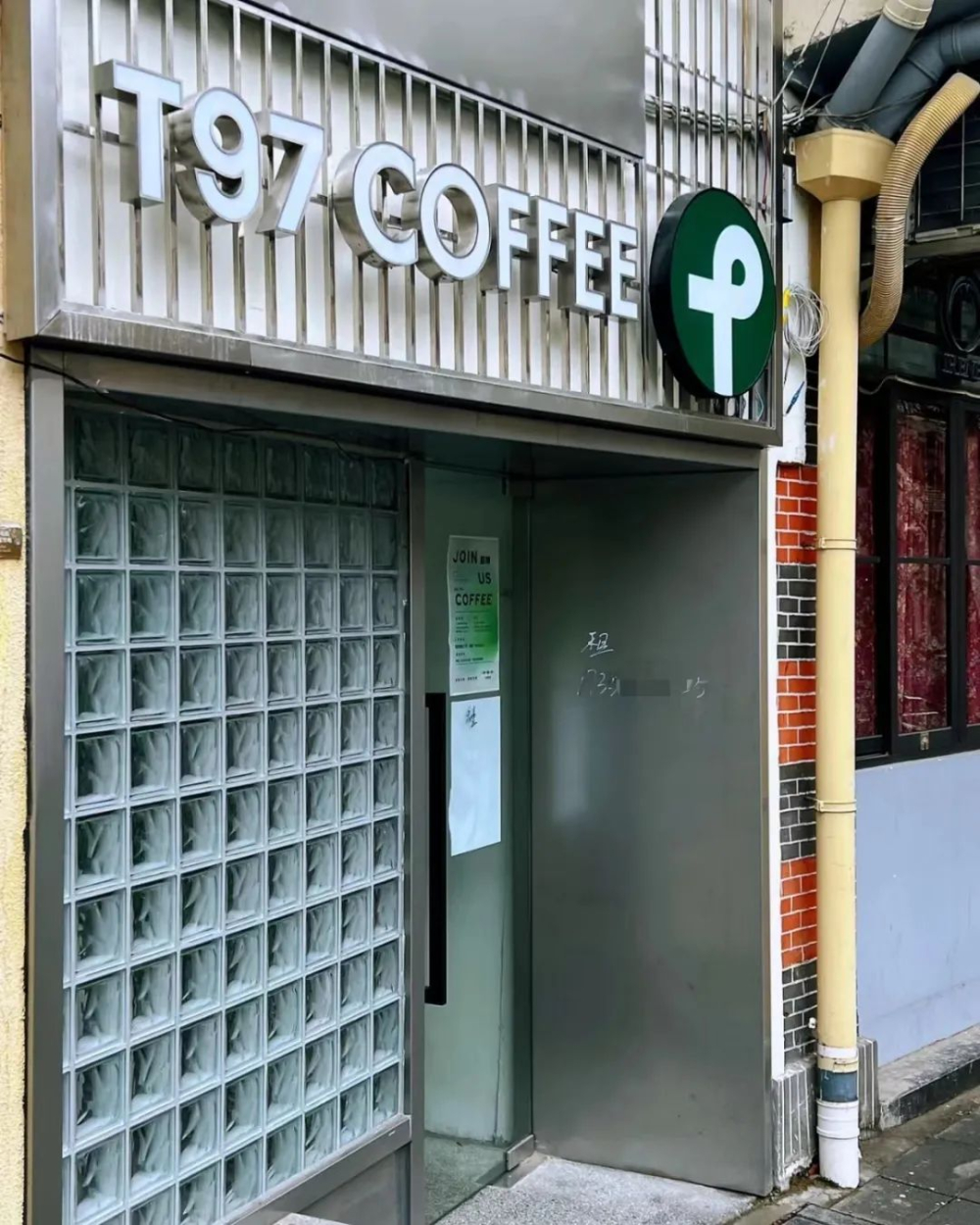
Judging from feedback across various regions, not only did T97’s first store in Shanghai have a short lifespan, but other city locations also faced similar struggles. Many customers reported that some outlets closed their doors within three months of operation, indicating that while the brand expanded rapidly, it failed to ensure the operational capability and product consistency of individual stores.
Looking back at T97’s meteoric rise, starting last June, its newly styled rapping livestream quickly gained traction. The livestream, which initially drew around 190,000 viewers, experienced a surge in popularity. According to statistics, within 30 days of going viral, the brand conducted 34 livestreams, amassing a total of 72.2754 million views, with a single session peaking at 8.09 million viewers. This brief online craze was undeniably significant.
However, this wave of popularity did not translate into sustained success for physical stores. Taking advantage of the livestream boom, founder Li Xiao swiftly launched a franchise program, claiming that minimal investment was needed to join the coffee craze. But upon closer examination of the franchise details, the overall investment turned out to be quite substantial. In addition to an annual franchise fee of about 20,000 yuan, it included nearly 140,000 yuan for equipment, 20,000 yuan in deposit, 20,000 yuan for ingredients and utensils, 10,000 yuan for operations, 10,000 yuan for design, and approximately 2,000 yuan per square meter for renovations — bringing the total initial investment close to 300,000 yuan.

Such a high initial investment poses obvious risks for many first-time entrepreneurs entering the coffee industry. Especially when the brand had not yet established a solid market reputation or product competitiveness, many franchisees faced challenges such as products not being well-received by the market and low customer retention rates right after opening. Some consumers noted that product quality varied drastically between different stores, with some even failing to impress coffee enthusiasts, further reducing customers’ willingness to return.
Additionally, as the appearances of the main livestream host, the “coffee rush rush rush” rapper, significantly decreased and audiences grew tired of the repetitive marketing style, the livestream’s popularity plummeted. What was once a stream with millions of concurrent viewers shrank to just over ten people online, a stark and quiet contrast. This shift undoubtedly impacted consumer trust and interest in the brand.
Notably, the brand rushed to open franchises without yet having a stable product offering or solid business model, sparking considerable market skepticism. Observers pointed out that the founder may have been more focused on short-term franchise profits rather than long-term brand development. Such a business mindset undeniably increases operational uncertainties for franchise owners.
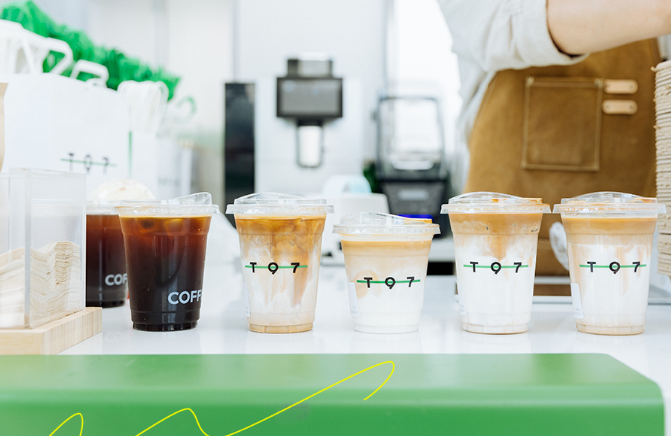
For aspiring entrepreneurs looking to enter the coffee industry, it is crucial to carefully evaluate a franchise brand’s market positioning, product R&D capabilities, and the actual support provided to franchisees. Compared to joining an immature chain brand, investing resources into building an independent coffee shop with its own unique style—though more challenging initially—offers greater potential in the long run to establish a loyal customer base and a strong brand image.
In summary, the case of T97 Coffee reminds us that competition in the coffee market is not just about fleeting exposure and hype. More importantly, it hinges on product competitiveness, attention to business details, and continuous responsiveness to consumer needs. Only by building steadily can one stand firm in this increasingly competitive market.
The above content is compiled by CoffeeHunters, a coffee news website.


