







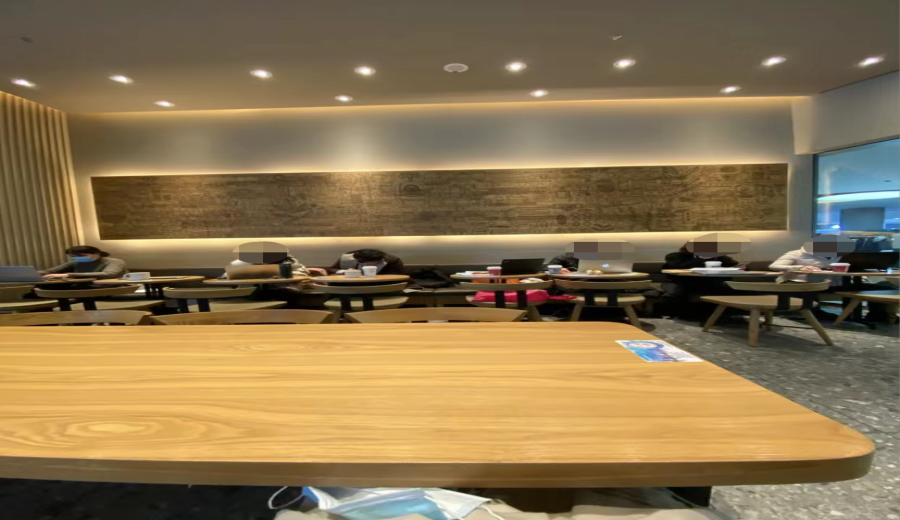
Introduction:Have you ever noticed many people working intently in a café, as if it’s more productive than the office? These individuals, often referred to as the "café atmosphere group," actually benefit from the multiple psychological and sensory stimuli in their environment. This article delves into why working in a coffee shop can enhance focus and creativity—from the “café effect,” ambient sound environments, the psychology of sunk cost, to the stimulating effects of caffeine—and also highlights which groups may not find it suitable, helping you identify your optimal workspace.
Walk into a café, and you might notice many people dressed neatly, focused on their laptops. They could be handling reports, writing proposals, or even attending online meetings. This common group is jokingly called the "café atmosphere group." They prefer working in cafés rather than at home or in the office, and there are actually several psychological and environmental science-based reasons behind this.
First, let’s talk about the so-called “café effect.” This refers to the state where people can enter a highly efficient and creative mindset in a moderately noisy café environment filled with the rhythm of daily life and the background hum of conversation. The jazz music, soft chatter, sounds of the coffee machine, and the subtle activity rhythms of other customers create a unique combination of “white noise.” This sound environment is similar to natural background rhythms,helping the brain maintain a stable level of alertnesswithout overly disrupting concentration.
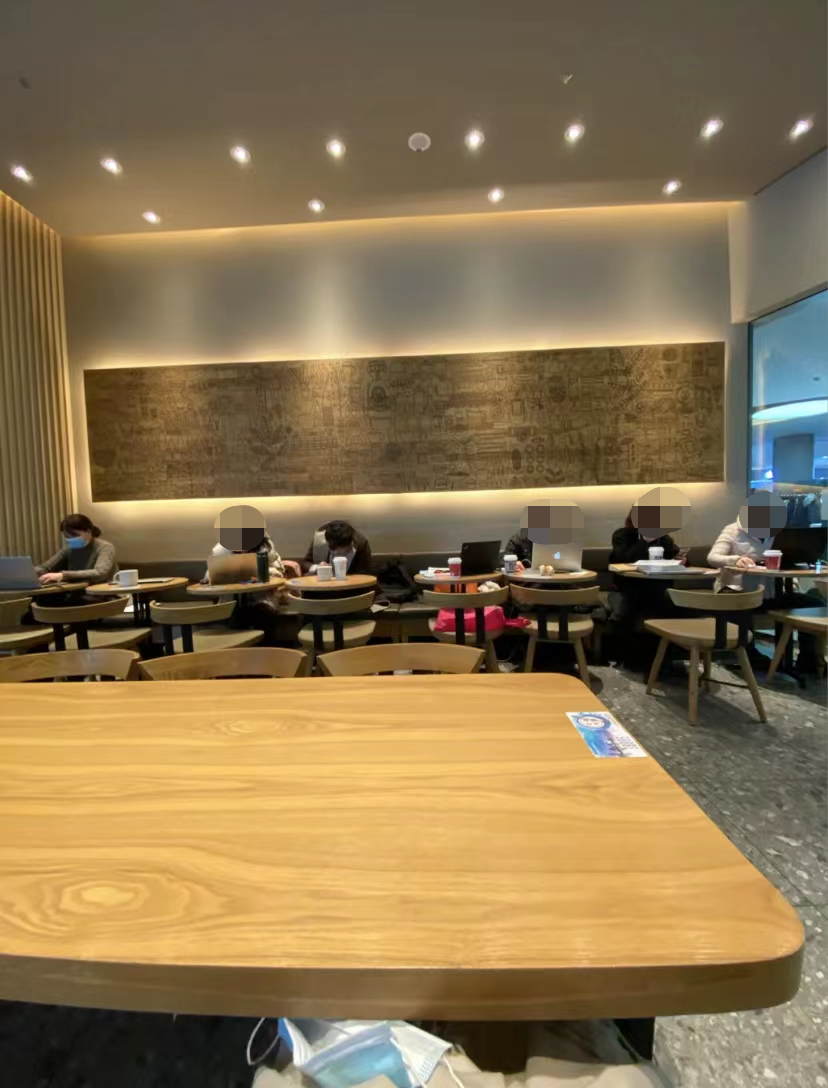
The effect of this white noise is similar to the sound of rain or a fan that many people are accustomed to listening to before sleeping. It has a certain regularity and low variability, allowing the auditory nerves to remain in a steady state of reception and avoiding the distraction or anxiety that complete silence can cause. In a café, such sounds blended with the rhythm of human activity create a “just right” ambient environment that helps with focus while keeping thoughts flowing smoothly.
Additionally, there is a psychological phenomenon known as “evaluation apprehension.” When we are in a public space—especially when we see others around us focusing on work—our brains are unconsciously motivated, generating a kind of social drive like “I can’t fall behind either.” This phenomenon is similar to being in a library where, upon seeing others studying seriously, you too are more likely to settle down and read or work. The open space of a café just provides such a scenario, allowing people to boost efficiency under an invisible “peer pressure.”
Interestingly, cafés can also stimulate people’s “desire to express.” Compared to being at home or in the office, in such a semi-public environment, some people are actually more willing to share ideas, discuss creativity, or even break through their own limitations. Such interactive potential may also indirectly enhance inspiration for certain creative workers.
Another factor that shouldn't be overlooked is the “sunk cost” effect. When you pay for a cup of coffee, bring your laptop to the café, and choose a seat, your subconscious tends to think, “Since I’ve already invested time and money, I should get something out of it.” This psychological mechanism prompts you to make better use of the current resources and avoid wasting what you've already spent. In short, the mentality of “I’ve come this far, I can’t just sit here for nothing” often becomes a small motivator driving productivity.

Of course, we also can’t ignore the role of caffeine. A beverage containing an appropriate amount of caffeine, such as an Americano or a latte, can stimulate the central nervous system, enhance alertness, improve reaction time, and delay the onset of fatigue to a certain extent. This is especially helpful for tasks that require long periods of focus. However, excessive intake may lead to palpitations or restlessness, so it’s recommended to adjust your caffeine consumption according to your personal tolerance.
However, not everyone is suited to working in a café. First, for those who are easily distracted, the flow of people, the occasional ringing of the doorbell, or conversations from neighboring tables in a café can become sources of interference. If you are particularly sensitive to sound or crowds, it’s advisable to try it out briefly and observe whether you can maintain focus in that environment.
Second, for those with social anxiety or who consider themselves “socially anxious,” a busy and bustling café may bring stress, which is counterproductive to getting into a working state. In such cases, finding a café with fewer people or one that offers quiet corners may be more appropriate.

Furthermore, consider the time period during which you plan to work. Many cafés’ peak operating hours are concentrated from morning to afternoon. If you’re used to working late at night or early in the morning, such an environment may not align with your schedule. Additionally, some traditional or small cafés may have limited Wi-Fi speed or a small number of power outlets. If you need a stable internet connection or plan to use electronic devices for extended periods, it’s advisable to check in advance whether the café’s facilities meet your needs.
In summary, the reason why cafés can become productive workplaces for many people is the result of multiple factors working together, including the sound environment, psychological motivation, the sunk cost effect, and the stimulating effects of caffeine. But everyone’s work habits and sensory sensitivities differ, so finding the environment that suits you best is key. Why not try out different spaces yourself and discover the corner that best sparks your productivity?
The above content is compiled by CoffeeHunters, a coffee news website.


