







Introduction:In pour over coffee, subtle adjustments to coffee dosage and coffee-to-water ratio can directly influence the final flavor profile. This article presents a comparative experiment using three specific dosages (14g, 15g, and 16g) with a fixed water volume of 225ml to explore how a 1g difference in dosage alters the coffee-to-water ratio, extraction yield, and concentration. Practical suggestions for parameter adjustments are also provided to help you more precisely control brewing variables and consistently extract coffee with your desired flavors.
In the world of pour over coffee, among the many variables, the coffee-to-water ratio is often the core factor that determines the flavor direction of a cup. Many coffee enthusiasts frequently hear the recommended ratio range of 1:15 to 1:16, which is considered a stable range capable of delivering balanced flavors. For example, using 15g of coffee grounds, brewing with 225ml of water at a 1:15 ratio becomes a common practice for many.
However, in real life, it’s hard to guarantee that every coffee dose is perfectly accurate. Sometimes you’re left with 14g of beans, other times 1 or 2g more. If not paying special attention, many people continue brewing with the same amount of water. So here’s the question: when the coffee dosage changes but the water volume stays the same, can a mere 1g difference truly result in noticeable changes to the taste and flavor of the coffee?
The answer is yes, and the differences may be more significant than you’d expect. When other conditions remain unchanged and only the amount of coffee grounds is adjusted, the most direct impact is on the coffee-to-water ratio. The coffee-to-water ratio refers to the weight of coffee grounds relative to the volume of water used—for example, 1:15 means 15ml of water per 1g of coffee. This ratio not only affects the strength of the coffee, but is also closely tied to the overall extraction yield.
A 1g difference in dosage, dramatically different flavor performance
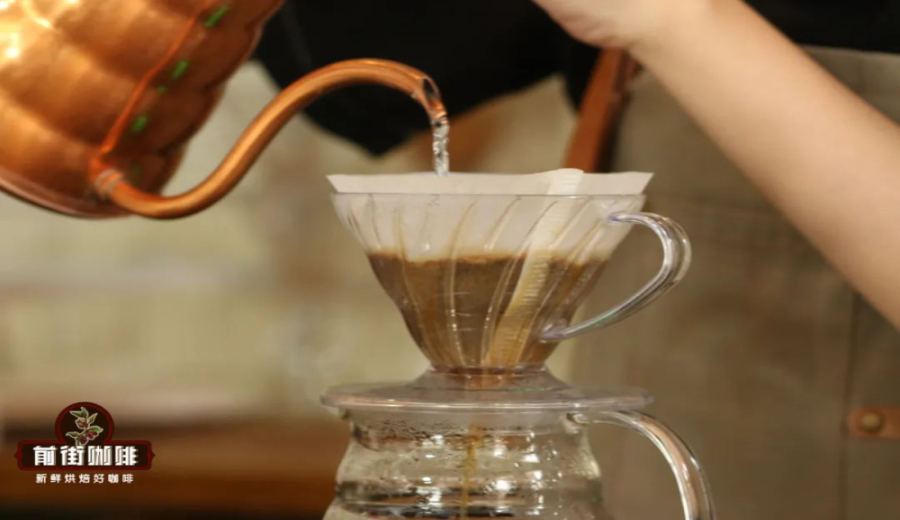
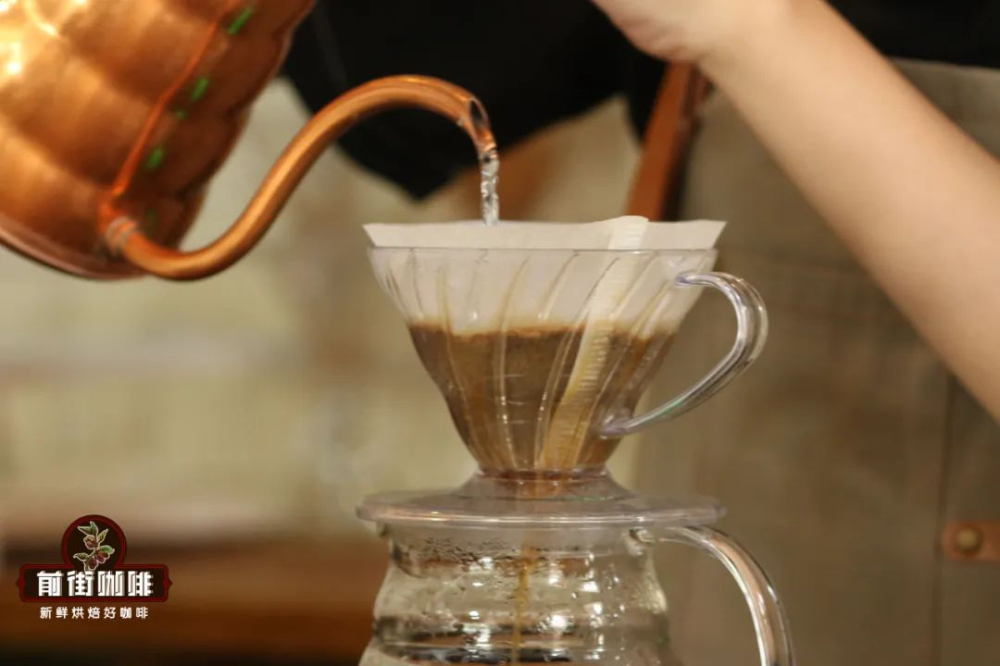
This experiment used 14g, 15g, and 16g of coffee grounds, all brewed with 225ml of water, resulting in approximate coffee-to-water ratios of 1:16, 1:15, and 1:14 respectively. The coffee used was Papua New Guinea Bird of Paradise beans, all brewed with a Hario V60 01 filter, ground to the 10th click on the EK-43s grinder, with water temperature maintained at 90°C. A three-stage pouring method was applied: the first stage poured 30ml for a 30-second bloom, the second stage poured up to 125ml with a 10-second pause, and the final stage poured up to 225ml. Total brew times were 1 minute 56 seconds, 1 minute 58 seconds, and 1 minute 58 seconds, with measured concentrations of 1.04–1.28%, 1.34–1.40%, and 1.52% respectively.
The experimental results showed that as the coffee dosage increased and the coffee-to-water ratio decreased, the mouthfeel became fuller and more concentrated, but at the same time, the complexity and clarity of the flavors declined. Conversely, reducing the dosage and increasing the ratio led to a higher extraction yield, brighter and clearer flavors, but with relatively lower concentration, potentially tasting thinner. Therefore,when adjusting the coffee dosage, if you wish to maintain a similar flavor profile, it is recommended to also adjust the water volume accordingly to stabilize the extraction outcome.
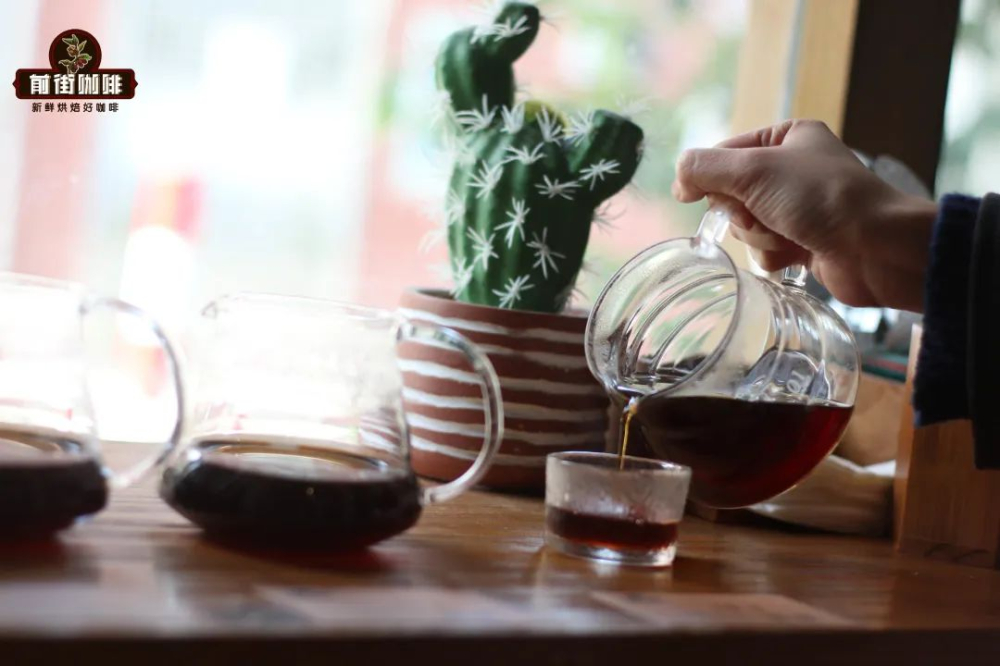
If you find yourself with 1–2g less coffee but don’t want or are unable to change the water volume, you can compensate by fine-tuning other parameters. For instance, using a finer stream of water to extend contact time, or grinding slightly finer to reduce the gaps between coffee particles and slow down water flow, can both help improve extraction yield and concentration, thereby enhancing flavor. However, it’s important to note that increasing water temperature is not an ideal solution—especially for medium to dark roasts, as overly high temperatures can release excessive bitter and burnt compounds, potentially masking the coffee’s inherent aroma and delicate flavors.
In summary, while pour over coffee may seem straightforward, factors such as dosage, coffee-to-water ratio, grind size, water temperature, and pouring technique are all interconnected, and even small adjustments to any one of them can affect the final extraction result. Mastering these fundamental principles and practical adjustment techniques will allow you to more confidently handle minor fluctuations in coffee dosage during daily brewing and consistently produce coffee with the flavors you desire.
The above content is compiled by CoffeeHunters, a coffee news website.


